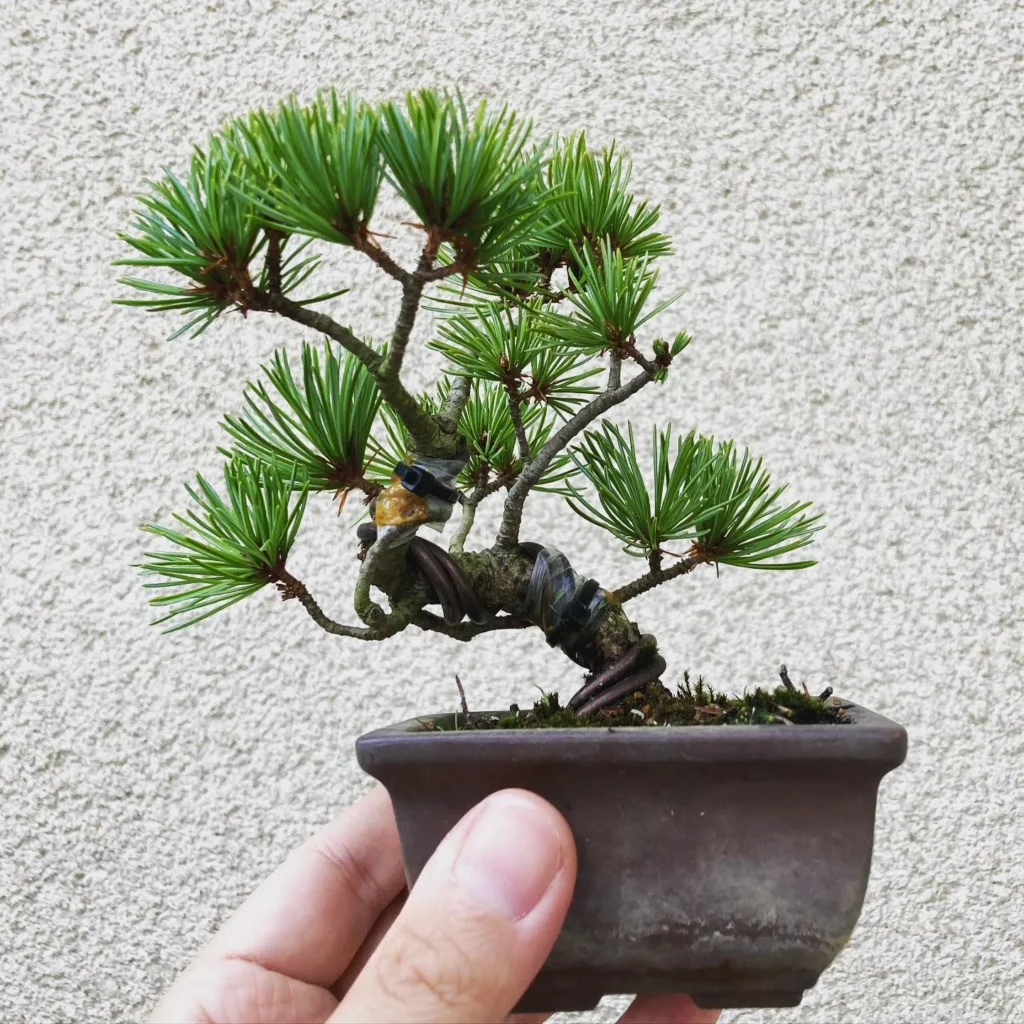
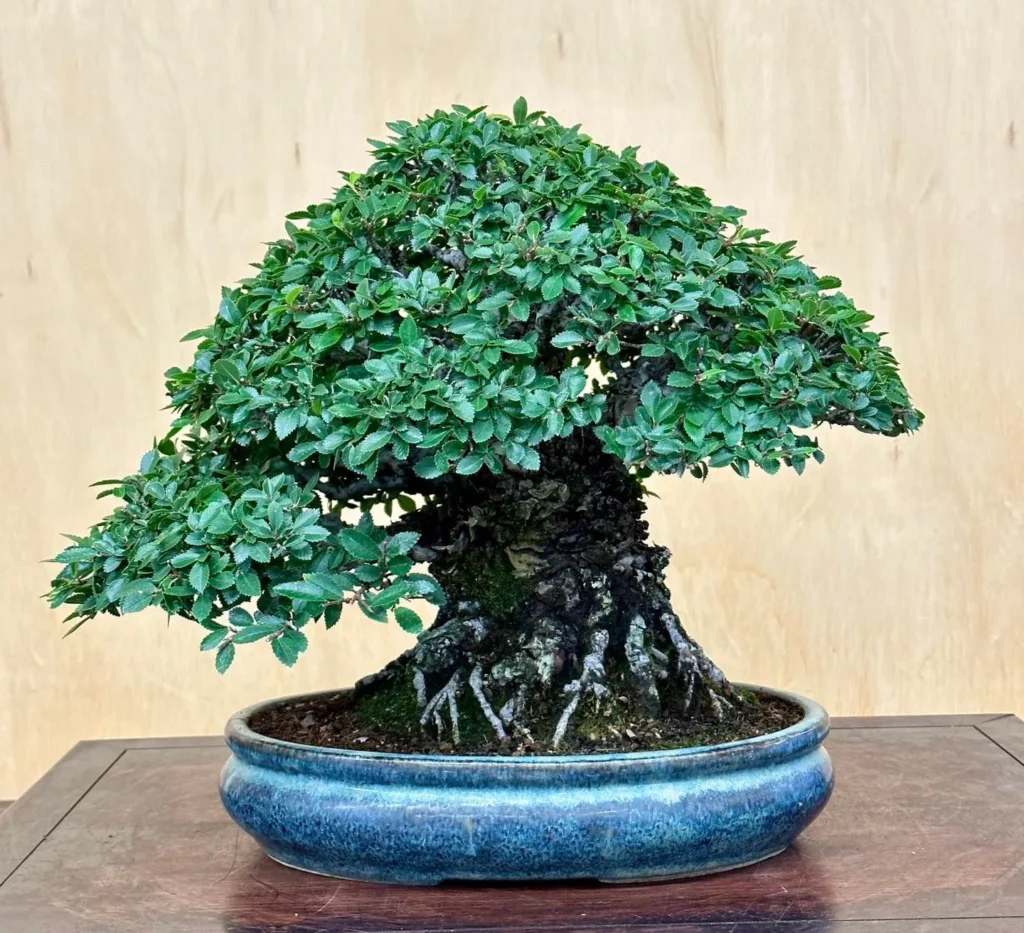
Juniper bonsai trees are known for their unique and beautiful appearance. These miniature trees can grow between 3-6 feet tall and 1-3 feet wide, but their size can be manipulated depending on your desired aesthetic. One of the most distinctive features of juniper bonsai is their foliage, which can be needle-like or scale-like in shape. The colors of the foliage range from yellowish-green to bluish-green or silver-green, adding depth and vibrancy to the tree’s overall appearance.
Key Takeaways:
- Juniper bonsai is a popular choice among bonsai enthusiasts due to its easy care requirements and attractive foliage.
- They require direct sunlight, regular watering, and a well-draining soil mix.
- Growing juniper bonsai outdoors year-round is recommended for their optimal growth and development.
- Regular feeding during the growing season promotes strong growth.
- The Juniperus genus contains various species, including Chinese juniper and common juniper, commonly used for bonsai.
Appearance of Juniper Bonsai


In addition to their foliage, juniper bonsai also produce berries. These berries are round or oval in shape and contain seeds. They add a touch of natural beauty to the tree, and some bonsai enthusiasts find the sight of the berries to be quite charming. Another interesting characteristic of juniper bonsai is their ability to change the color of their foliage during frosty periods. In response to cold temperatures, some species may turn a purplish brown, which helps protect the tree from frost damage.
Light Requirements for Juniper Bonsai


Proper lighting is essential for the health and growth of your Juniper bonsai tree. These trees thrive in bright, direct sunlight and require at least 6-8 hours of sunlight each day. It is recommended to place your Juniper bonsai outdoors where it can receive full sunlight year-round. The direct sunlight stimulates the tree’s growth and helps maintain its vibrant foliage.
In order to ensure that your Juniper bonsai receives adequate light, choose a location in your garden or on your balcony that is not shaded by surrounding trees or structures. This will allow the tree to capture the full intensity of the sunlight. If you are growing your Juniper bonsai indoors, it is crucial to place it near a window that receives ample sunlight throughout the day. You may also consider using artificial grow lights to supplement the available light.
Signs of Insufficient Light
- Yellowing or browning of the foliage
- Stunted or weak growth
- Longer internodes (gaps between leaves)
- Reduced bud formation
Protection from Harsh Sunlight
While Juniper bonsai trees require direct sunlight, it is important to protect them from extreme heat or intense sunlight, especially during the peak summer months. If you live in a region with hot summers, you can provide some shade for your tree during the hottest part of the day. This can be achieved by using a shade cloth or placing the tree in a partly shaded area. Be mindful to strike a balance between providing enough sunlight and protecting the tree from scorching heat.
Watering Juniper Bonsai


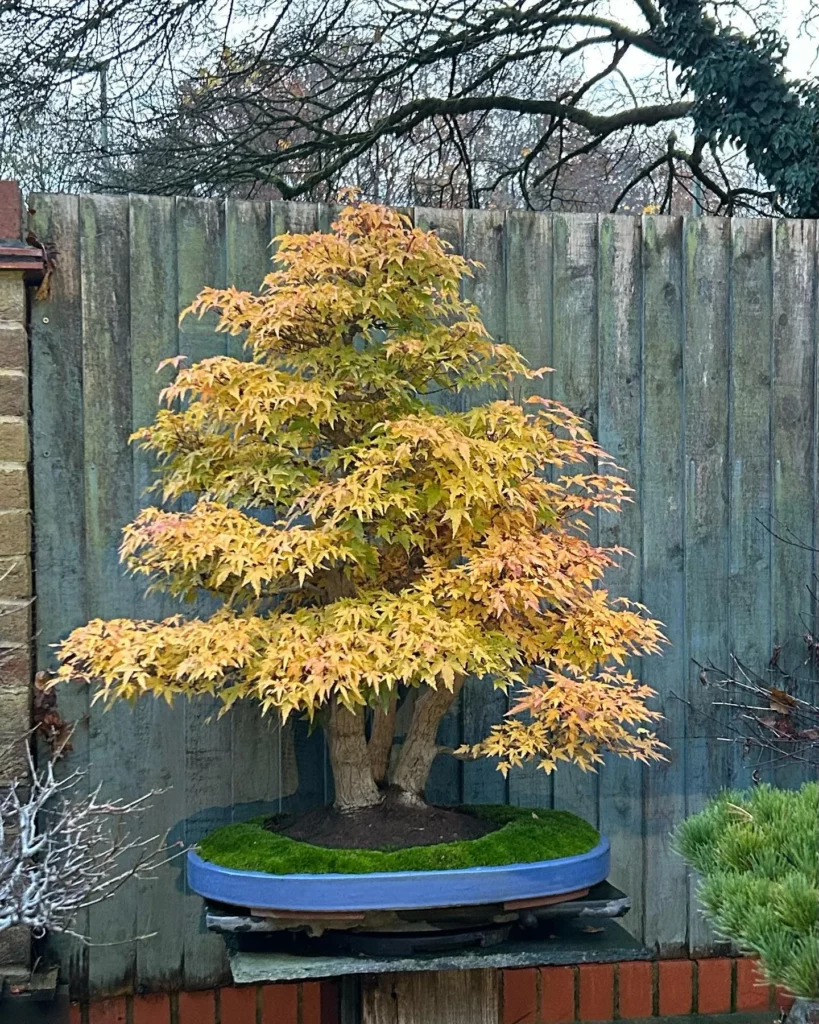
Proper watering is crucial for the health and vitality of your Juniper bonsai tree. It is important to strike a balance between keeping the soil consistently moist and avoiding waterlogging. Here are some essential tips for watering your Juniper bonsai:
- Check the moisture level of the soil before watering. Stick your finger about an inch into the soil, and if it feels slightly dry, it’s time to water.
- Water thoroughly until the water flows out of the drainage holes in the bottom of the pot. This ensures that the entire root ball is adequately hydrated.
- Avoid letting the soil dry out completely between waterings, as this can stress the tree. However, overwatering can lead to root rot and other issues, so it’s important to strike the right balance.
- Consider using a moisture meter to accurately determine when your Juniper bonsai needs watering. This can help you avoid under or overwatering.
Preventing Waterlogging
Juniper bonsai trees cannot tolerate waterlogging, as it can lead to root rot and other problems. Here are some tips to prevent waterlogging:
- Ensure your bonsai pot has proper drainage holes to allow excess water to escape.
- Use a well-draining soil mix specifically formulated for bonsai, which helps facilitate the flow of water through the soil.
- Avoid placing your Juniper bonsai on surfaces that can trap water, such as saucers or trays without drainage holes.
- Consider using a humidity tray to raise the humidity around your bonsai tree without causing waterlogging. Place your bonsai pot on a tray filled with water, ensuring the water level does not touch the bottom of the pot.
Fertilizing Juniper Bonsai
Proper fertilization is essential for the healthy growth of your Juniper bonsai. Fertilizers provide the necessary nutrients to support vigorous growth and vibrant foliage. Here are some key points to keep in mind:
- Choose the right fertilizer: Use a slow-release organic fertilizer specifically formulated for bonsai trees. Look for a balanced NPK ratio, with slightly higher nitrogen content to promote lush foliage.
- Timing is crucial: Begin fertilizing your Juniper bonsai in early spring, just as new growth starts to emerge. Continue feeding throughout the growing season, typically until early fall.
- Follow the recommended dosage: Read the instructions on the fertilizer package carefully and apply the recommended dosage. Over-fertilization can burn the roots and cause damage to the tree.
- Consider liquid fertilizers: Liquid fertilizers can provide a quick nutrient boost to your bonsai tree. Dilute the liquid fertilizer according to the instructions and apply it during regular watering sessions.
Potting Juniper Bonsai
Potting is an essential aspect of caring for your Juniper Bonsai. While these trees do not require frequent repotting, it is important to understand the process and the right conditions for potting.
1. Repotting Frequency:
Young Juniper Bonsai can be repotted every two years, while older trees can go up to five years without repotting. Repotting allows for root maintenance, nutrient replenishment, and prevents overgrowth in the container. It is advisable to check the roots and evaluate the potting needs of your Juniper Bonsai before deciding on repotting.
2. Root Maintenance:
When repotting your Juniper Bonsai, avoid heavy root pruning as it may shock the plant. Instead, gently comb out the roots with a root rake or chopstick to remove excess soil and encourage new growth. Trimming overgrown or damaged roots is acceptable, but be cautious not to remove too much, as this can stress the tree.
3. Choosing the Right Pot:
Ju next appointment. niper Bonsai thrives in clay or terra-cotta pots as they provide good drainage and help wick away excess moisture from the soil. Select a pot that is slightly larger than the current one, allowing room for the roots to grow. Make sure the pot has drainage holes to prevent waterlogging.
Propagation of Juniper Bonsai
Propagating juniper bonsai trees is an exciting way to expand your collection or share the beauty of these miniature trees with others. There are several methods you can use to propagate juniper bonsai, but one of the most common and successful techniques is through cuttings.
Here’s a step-by-step guide to help you propagate your own juniper bonsai:
- Start by selecting a healthy, mature juniper plant from which to take your cuttings. Look for a branch that is about 4-6 inches long and has plenty of healthy foliage.
- Using sterilized garden shears or pruners, make a clean cut just below a set of leaves. This will be the bottom of your cutting.
- Remove the lower leaves from the cutting, leaving only a few sets of foliage at the top.
- Prepare a well-draining soil mix using a combination of potting soil, perlite, and sand.
- Dip the cut end of the juniper cutting in rooting hormone powder to encourage root development.
- Plant the cutting in a small container filled with the prepared soil mix, making sure to bury it at least an inch deep.
- Place the container in a sunny and warm spot outdoors, ensuring that the soil remains slightly moist. Avoid overwatering, as this can lead to root rot.
- After several months, you should start to see new roots forming. At this point, you can transplant the cutting into individual containers for further growth.
Growth and Development of Juniper Bonsai
Juniper bonsai trees, with their slow-growing nature, can thrive and live for over a century with proper care and attention. The key to achieving optimal growth and development lies in understanding the specific needs of these miniature trees.
Pruning for Aesthetic and Health
Regular pruning is essential for maintaining the bonsai’s shape and health. Pinching back new growth is recommended as it prevents surrounding needles from dying off. It is best to perform pruning during the active growing period in early spring and summer, allowing the tree to recover and continue its development.
Environmental Considerations
Juniper bonsai trees are ideally grown outdoors in a location that provides ample direct sunlight exposure. They require seasonal changes to thrive, making outdoor growth the preferred option. However, it is possible to grow juniper bonsai indoors under cool white fluorescent lights. In such cases, specialized care techniques and attention to watering and lighting conditions are necessary for their optimal development.
Longevity Through Proper Care
By following the care techniques mentioned in this guide, your juniper bonsai can live for more than a century. Regular pruning, appropriate feeding, sufficient sunlight, and a well-draining soil mix are crucial for the tree’s longevity. With proper care and attention, your juniper bonsai will continue to grow and develop, displaying its unique and captivating beauty for years to come.
Pests and Diseases of Juniper Bonsai
While juniper bonsai trees are relatively resistant to pests and diseases, they can still be vulnerable to certain issues. By understanding and identifying these problems early on, you can take appropriate measures to protect the health and vitality of your juniper bonsai.
Pests:
1. Spruce Spider Mite: This pest can cause browning and dropping of the needles. Regularly inspect your juniper bonsai for any signs of spider mite infestation, such as fine webbing or discoloration of the foliage.
2. Juniper Scale: These small, armored insects can attach themselves to the branches and leaves of your bonsai, causing yellowing and stunted growth. Use an appropriate insecticide to control and eliminate scales if they are present.
3. Juniper Aphids: Aphids can feed on the sap of juniper bonsai trees, leading to distorted and curled foliage. Insecticidal soap or neem oil can be used to control aphid populations.
4. Juniper Needle Miners: These tiny larvae chew tunnels within the needles of juniper bonsai, causing them to turn brown and die. Pruning affected branches and using insecticides can help manage this pest.
Diseases:
1. Blight: Fungal diseases like blight can cause dieback of juniper bonsai foliage, leading to brown or blackened areas. Ensure proper air circulation and moisture control to prevent blight.
2. Rust: Rust causes orange or brown-colored pustules to appear on the foliage of juniper bonsai trees. Pruning affected branches and using fungicides can help control rust infections.
Alternative Bonsai Trees
If you’re looking to expand your collection of bonsai trees or want to try something different, there are several alternatives to the popular juniper bonsai. These alternative bonsai trees offer unique characteristics and care requirements, allowing you to explore different styles and challenges in the art of bonsai.
Weeping Fig
- The weeping fig (Ficus benjamina) is a popular choice for indoor bonsai enthusiasts.
- It features elegant, cascading foliage and is known for its ability to adapt to a range of lighting conditions.
- With regular pruning and proper care, the weeping fig can create a stunning indoor bonsai display.
Japanese Maple
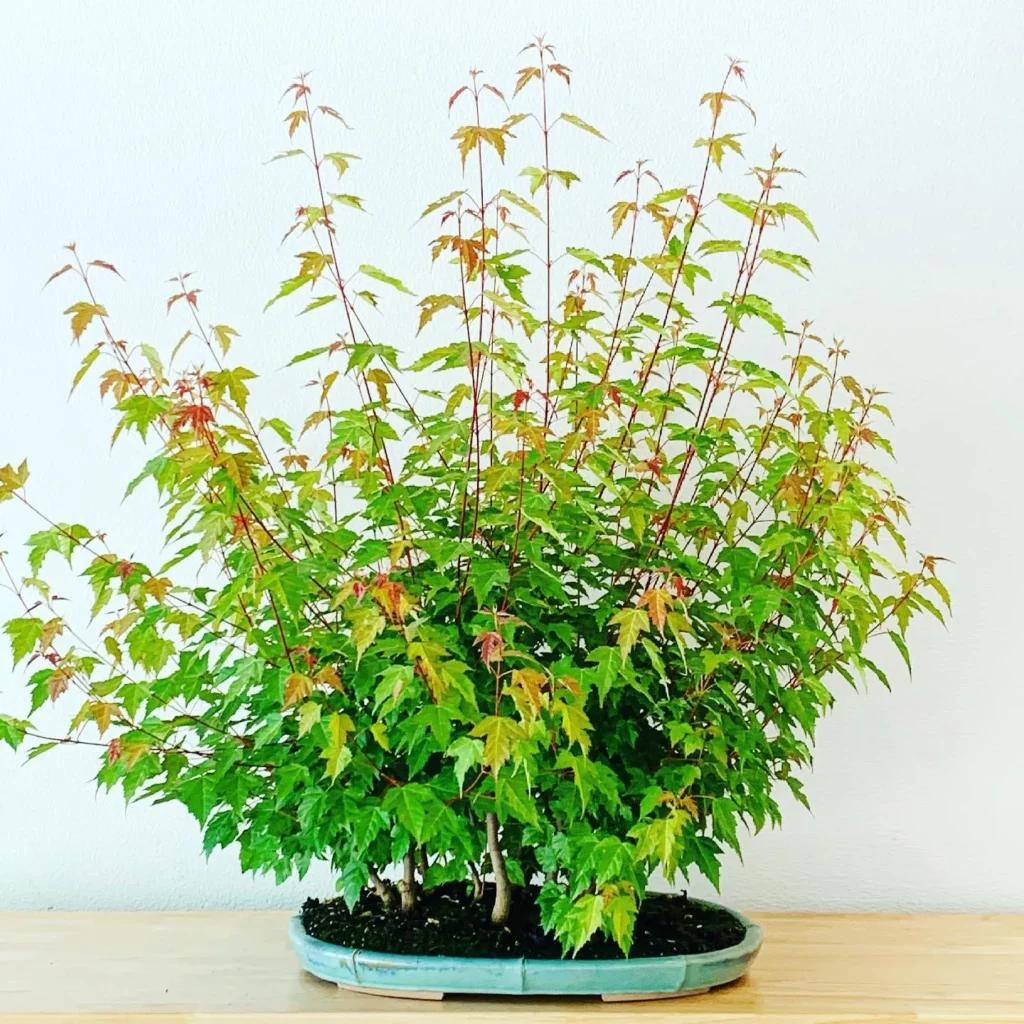
- The Japanese maple (Acer palmatum) is a beautiful deciduous tree that is highly prized for its vibrant foliage.
- It offers a wide range of leaf colors and shapes, making it a favorite among bonsai artists for its aesthetic appeal.
- Japanese maples require specific care techniques, such as protection from strong winds and afternoon sun, but the effort is worth it for the stunning results.
Japanese Cherry
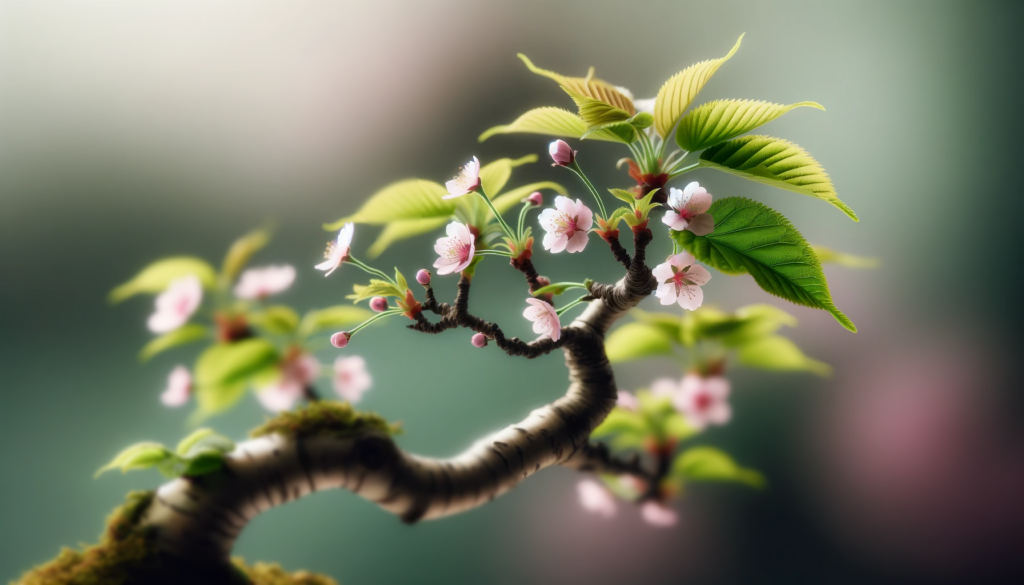
- The Japanese cherry (Prunus serrulata) is renowned for its stunning springtime blossom displays.
- It produces delicate pink or white flowers that create a mesmerizing spectacle, making it a popular choice for bonsai enthusiasts.
- Japanese cherries require careful pruning and protection from frost, but the reward is a breathtaking bonsai tree that captures the beauty of nature.
Deodar Cedar
- The deodar cedar (Cedrus deodara) is an evergreen coniferous tree with elegant, airy foliage.
- It has a graceful, pyramidal shape and can create a sense of tranquility in any bonsai composition.
- Deodar cedars prefer sunny locations and well-draining soil, making them a great choice for outdoor bonsai enthusiasts.
Dwarf Jade
- The dwarf jade (Portulacaria afra) is a succulent tree that is ideal for bonsai beginners.
- It features small, round leaves and a thick, gnarled trunk, giving it a unique and intriguing appearance.
- Dwarf jade bonsai trees are drought-tolerant and can be grown indoors or outdoors, making them a versatile choice for bonsai enthusiasts of all levels.
Indoor vs. Outdoor Growing of Juniper Bonsai
Juniper bonsai trees are known for their love of sunlight. While some sources claim that growing juniper bonsai indoors is not possible, there have been successful cases of growing them indoors under suitable conditions. However, it’s important to note that growing juniper bonsai outdoors is generally recommended for optimal growth and health.
When grown outdoors, juniper bonsai trees thrive in direct sunlight, benefiting from the natural seasonal changes. These changes, including temperature fluctuations and exposure to different light intensities, play a vital role in the development and overall well-being of the tree. Outdoor growth allows juniper bonsai to experience the conditions they would encounter in their natural habitat, promoting their longevity and vitality.
Indoor growing of juniper bonsai requires careful attention to mimic the outdoor conditions as closely as possible. This includes providing the tree with sufficient light, preferably from cool white fluorescent bulbs, and maintaining appropriate temperature and humidity levels. It’s essential to monitor watering carefully, as indoor environments can be drier compared to the outdoor setting. Additionally, indoor-grown juniper bonsai may require strategic pruning to manage their size and shape.
Factors to Consider for Indoor Growing:
- Lighting: Ensure the tree receives 6-8 hours of bright, direct light daily. Consider using cool white fluorescent bulbs for indoor lighting.
- Temperature and Humidity: Juniper bonsai prefer cooler temperatures ranging from 50°F to 75°F (10°C to 24°C) and moderate humidity levels.
- Watering: Pay close attention to watering, as indoor conditions tend to be drier. The soil should be kept moist but not waterlogged.
- Pruning: Regular pruning is necessary to maintain the desired shape and size of the juniper bonsai.
Juniper Bonsai Longevity
Juniper bonsai trees have the potential to live for over 100 years, making them a truly remarkable addition to your home or garden. To ensure the longevity of your juniper bonsai, it is crucial to provide the right care and environmental conditions.
Regular pruning is one of the key factors in maintaining the health and vitality of your juniper bonsai. By carefully trimming back growth and encouraging the development of new branches, you can shape and enhance the aesthetic appeal of your tree. Remember to use pinching techniques rather than cutting, as this prevents the surrounding needles from dying off.
Feeding your juniper bonsai with the appropriate nutrients is equally important. During the growing season, consider using a slow-release organic fertilizer once a month or opt for a liquid fertilizer to be applied weekly during watering. Nitrogen-rich fertilizers in the spring promote vigorous growth and contribute to the overall vitality of your bonsai.
While longevity is undoubtedly achievable for juniper bonsai, it is essential to provide them with the right environmental conditions. Ensure they receive at least 6-8 hours of direct sunlight daily, and maintain a consistent watering routine. Remember to let the soil slightly dry between waterings to avoid overwatering, which can be detrimental to the tree’s health.
FAQ
Can I grow juniper bonsai indoors?
While juniper bonsai is typically best suited for outdoor growth due to its need for direct sunlight and seasonal changes, there have been successful cases of growing juniper bonsai indoors under cool white fluorescent lights. However, indoor growing may require specific care techniques and attention to watering and lighting conditions.
How often should I water my juniper bonsai?
Juniper bonsai trees require regular watering to keep the soil consistently moist, but they cannot tolerate being waterlogged. It is important to allow the soil to dry slightly between waterings, but avoid letting it dry out completely. Adequate drainage is crucial to prevent waterlogging.
How often should I fertilize my juniper bonsai?
Juniper bonsai trees appreciate regular feeding during the growing season to promote strong growth. Slow-release organic fertilizer can be used once a month, or a liquid fertilizer every week when watering. Nitrogen-rich fertilizer is recommended in the spring for vigorous growth. Avoid fertilizing a juniper bonsai for at least a month after repotting to avoid shocking the roots.
How often should I repot my juniper bonsai?
Juniper bonsai trees do not need to be repotted very often. Young trees can be repotted every two years, while older trees can go up to five years without repotting. Heavy root pruning should be avoided when repotting to prevent shocking the plant. Clay or terra-cotta pots are recommended for juniper bonsai as they help wick away excess moisture from the soil.
How can I propagate juniper bonsai?
Juniper bonsai trees can be propagated through cuttings. Using sterilized garden shears or pruners, take cuttings from mature juniper plants and plant them in a well-draining soil mixture. Cuttings should be placed outdoors in a sunny and warm spot with slightly moist soil. After several months, they can be transplanted into individual containers for further growth.
How long can a juniper bonsai tree live?
Juniper bonsai trees are generally slow-growing, but with proper care and the right growing conditions, they can live for over 100 years. Regular pruning, appropriate feeding, and providing the tree with its required environmental conditions contribute to its longevity and health.
What are the common pests and diseases of juniper bonsai?
Juniper bonsai trees are relatively resistant to pests, but they can be susceptible to the spruce spider mite, juniper scale, juniper aphids, juniper needle miners, as well as fungal diseases such as blight and rust. Regular care, monitoring, and appropriate insecticides or fungicides can help control these issues.
What are some alternative bonsai trees to juniper?
Some alternatives to juniper bonsai include weeping fig, Japanese maple, Japanese cherry, deodar cedar, and dwarf jade. These trees have different care requirements and characteristics, providing bonsai enthusiasts with a variety of options.
Should I grow juniper bonsai indoors or outdoors?
Juniper bonsai trees are best suited for outdoor growth year-round as they require direct sunlight and seasonal changes to thrive. While there have been successful cases of growing juniper bonsai indoors, they may require specific care techniques and attention to watering and lighting conditions.
How can I ensure the longevity of my juniper bonsai tree?
With proper care and the right growing conditions, juniper bonsai trees can live for over 100 years. This longevity is achieved through regular pruning, appropriate feeding, and providing the tree with its required environmental conditions. By following the care techniques mentioned in this guide, you can ensure the longevity and health of your juniper bonsai tree.