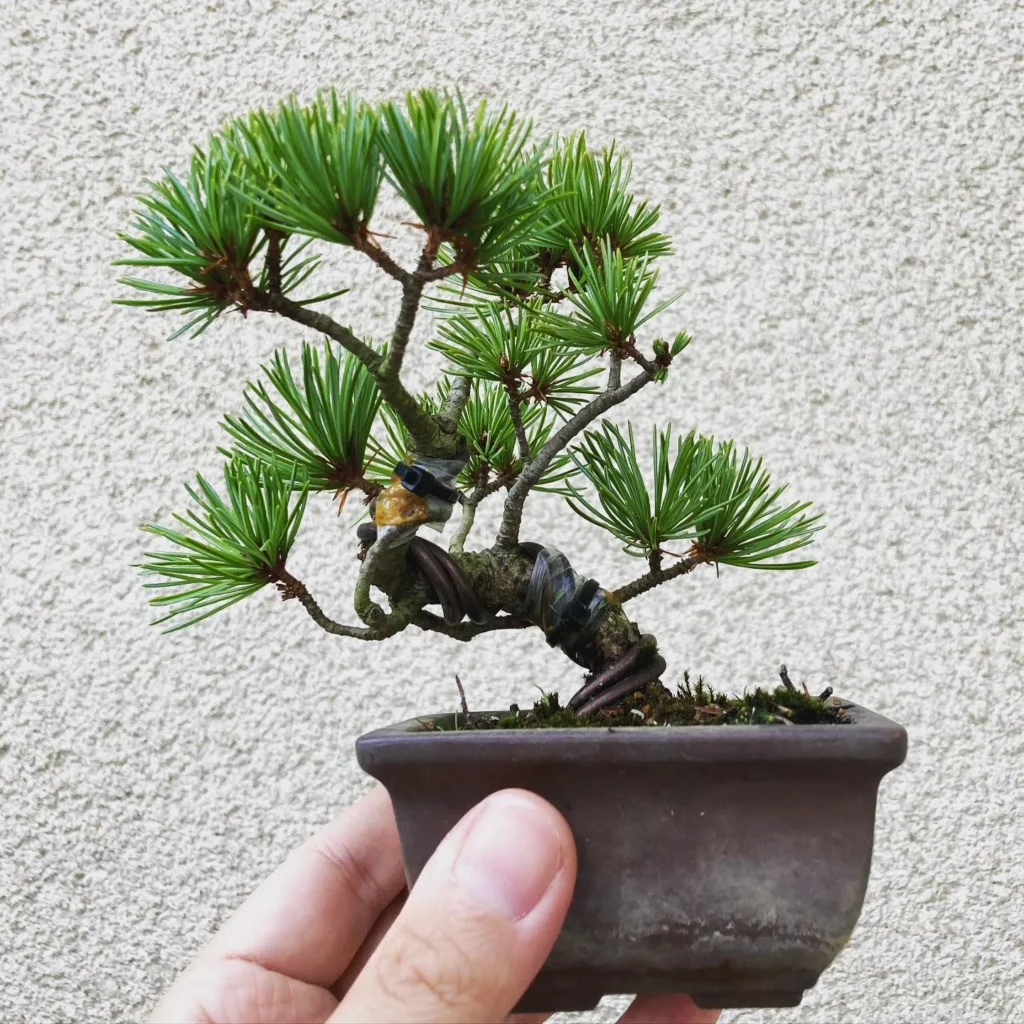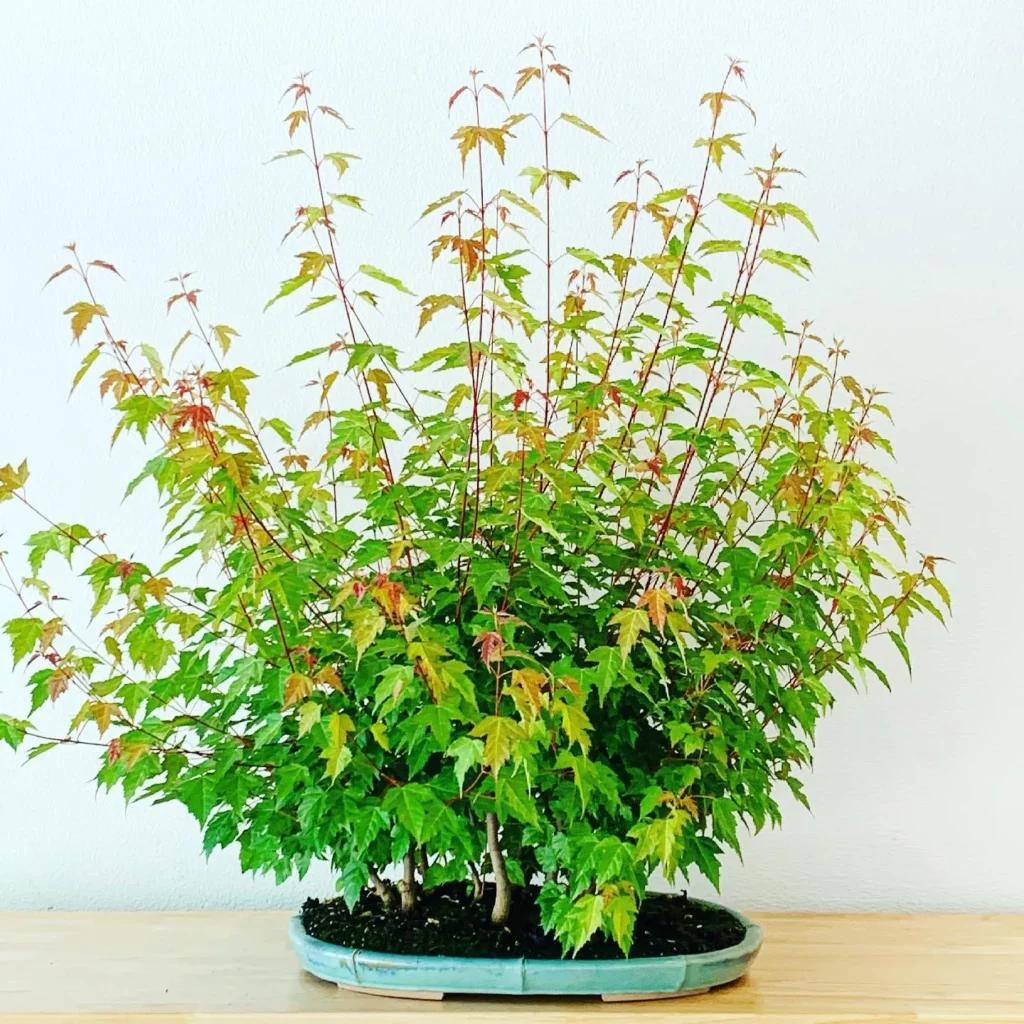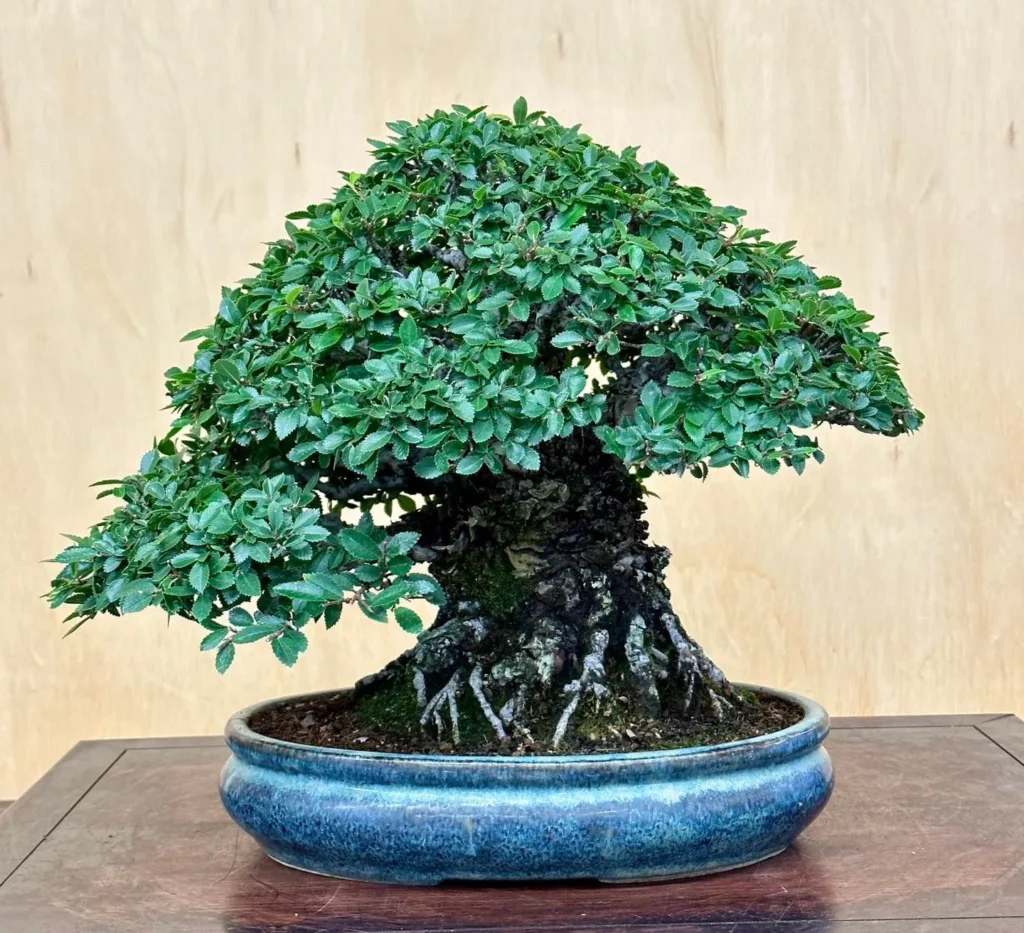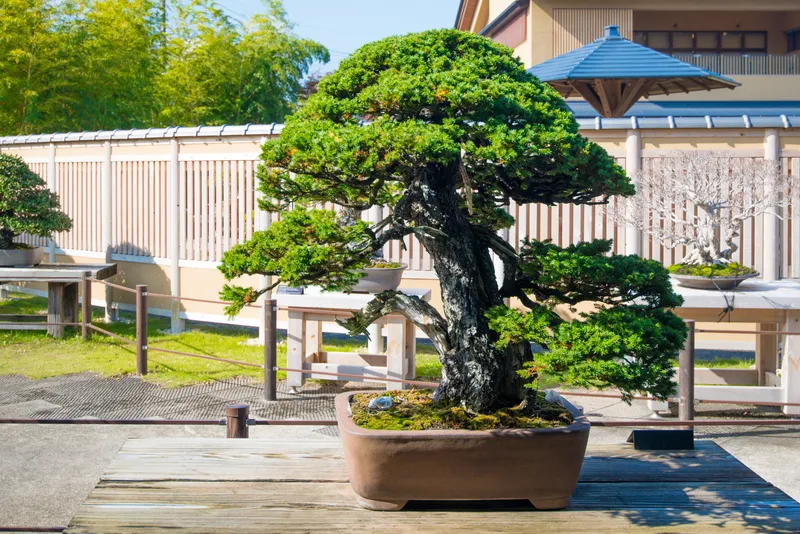
Buttonwood bonsai, scientifically known as Conocarpus erectus, is a popular species of bonsai tree that originates from tropical and subtropical regions such as Florida, Central America, and the Caribbean. These trees are known for their hardiness and resilience to harsh weather conditions, which makes them an ideal choice for beginner bonsai enthusiasts who want to hone their skills in caring for these delicate plants.
The Definition Of Buttonwood Bonsai
Buttonwood bonsai is a tree that has been cultivated and trained to become a miniature version of its natural form. The goal of creating a buttonwood bonsai is to create an aesthetically pleasing plant with miniature features such as small leaves, twisted trunks, and intricate branching patterns. Buttonwood trees have small white flowers that bloom in late spring or early summer followed by red berries in the fall.
Proper Care For Buttonwood Bonsai
In order to keep your buttonwood bonsai healthy and thriving, it’s important to understand the necessary care requirements for this species. Proper care includes providing the right amount of light exposure, water retention, soil type nutrients fertilization techniques pruning methods shaping strategies advanced techniques like repotting wiring styling pest disease control air layering technique dead carving accent plants temperature control among others.
By taking proper care of buttonwood bonsai trees, you can help them grow strong roots systems that support healthy foliage growth while also preventing pests from infiltrating your plant’s environment. Buttonwood trees can live up to 50 years or more with appropriate care techniques implemented at various stages in their development.
Buttonwood Bonsais are an excellent choice for those new to the world of bonsais due to its resilience and durability, but proper care is crucial for its health and longevity. By providing the right care, Buttonwood Bonsais can thrive in any environment and become a beautiful addition to any garden or living space.
Basic Care For Buttonwood Bonsai
Buttonwood bonsai is a beautiful and unique tree that requires proper care to thrive. Basic care methods include providing sufficient light, appropriate watering techniques, selecting the right soil type, fertilization, and proper pruning and shaping. In this section, we will discuss each of these subtopics in great detail.
Light Requirements
The buttonwood bonsai requires direct sunlight for at least six hours per day to grow properly. However, the amount of sun it needs may vary depending on your location and climate.
If you live in a hot and dry climate or near the equator, place the tree in a spot with partial shade to prevent the leaves from getting scorched by the sun. Conversely, if you live in a cooler area with less intense sunshine, place your buttonwood bonsai in full sun.
Watering Techniques
One essential factor for buttonwood bonsai care is providing appropriate watering methods. These trees require consistent watering throughout their growing season (spring-summer) but do not overwater them as it can harm them significantly.
When watering your buttonwood bonsai tree always check if the topsoil is dry or not before adding any water to its roots. Water should not accumulate at its roots; also ensure that there are drainage holes in your pot so that excess water does not linger around the roots too long as it can lead to root rot.
Soil Type And Fertilization
Buttonwood Bonsais prefer well-draining soil with adequate organic matter content such as bark mulch or moss within it which ensures that nutrients are made readily available for plant needs while still allowing good drainage flow through without causing water stagnancy at its roots. You can also use slow-releasing organic fertilizer because they break down gradually over time which eliminates the need for frequent reapplications. However, ensure to apply it in moderation because over-fertilizing can cause leaf burn and root damage.
Pruning And Shaping
Pruning and shaping are mandatory aspects of maintaining a buttonwood bonsai’s health. It helps to keep the tree’s growth under control, leads to a more appealing form, promotes new growth, and enhances the production of leaves.
Buttonwood Bonsais should be pruned seasonally, usually in early spring or late summer when they are not actively growing. Ensure that you use sharp pruning tools to avoid damaging the tree’s branches or trunk while removing deadwood branches or shaping it into your preferred bonsai style.
Basic care for buttonwood bonsai comprises providing sufficient light, appropriate watering techniques, selecting the right soil type and fertilizing it moderately as well as proper pruning and shaping techniques. When implementing these basic care methods correctly, you’re sure that your buttonwood bonsai will grow healthy while giving off an aesthetically stunning appearance.
Advanced Care For Buttonwood Bonsai
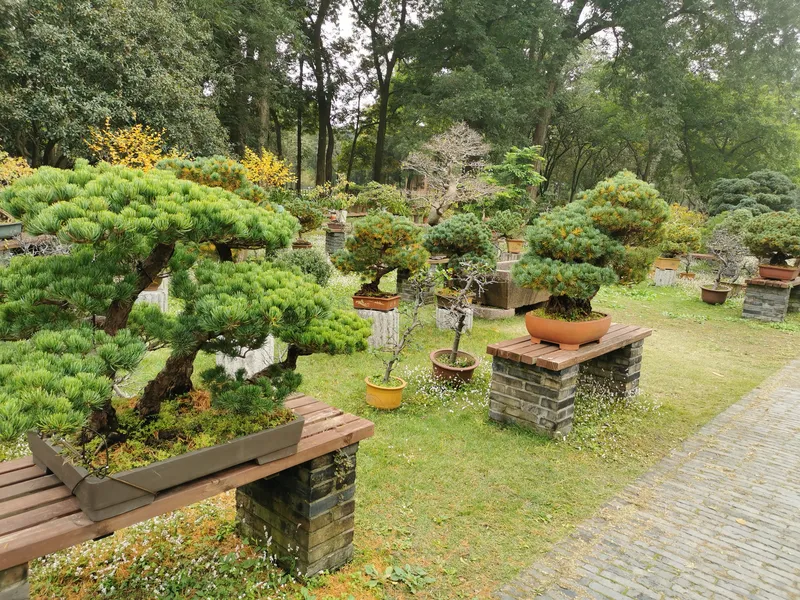
Repotting Techniques
Repotting is an essential technique in the care of Buttonwood Bonsai. A healthy tree usually requires repotting every two to three years. Repotting, when done correctly, helps in pruning the roots and improves the tree’s uptake of nutrients from its soil mixture.
However, it is crucial to avoid overdoing it since it can cause undue stress on the tree. When repotting your Buttonwood Bonsai, you should start by removing the old soil and carefully trimming the roots’ tips to stimulate new growth.
You should then proceed to prepare fresh soil and place it into a suitable pot. You will need to secure your tree in the newly prepared soil with a wire or nylon mesh wrapped around its base.
Wiring And Styling
Wiring is an essential technique used in styling Buttonwood Bonsai. It involves wrapping copper or aluminum wire around branches and trunks at specific angles to train them into preferred shapes. Wiring helps create an aesthetic appeal by creating movement within branches that would otherwise grow straight up.
If you plan to style your Buttonwood Bonsai using wiring techniques, ensure that you use appropriate-sized wire that will not damage or scar your tree’s bark while applying pressure during shaping. Additionally, be mindful of how long you leave each branch wired as leaving wires too long may cut into your bonsai’s bark.
Pest And Disease Control
Like other plants, Buttonwood Bonsais are prone to various pests and diseases such as spider mites, scale insects, root rot, among others. These pests feed on plant nutrients causing stunted growth or defoliation; they can also transmit other diseases that could be fatal if left unchecked.
It is important first to identify what pests or diseases your tree is affected by before attempting to treat it. Some common remedies include using insecticides, fungicides, and horticultural oils.
However, before using them, read the instructions provided by the manufacturer and ensure that they are safe for use on Buttonwood Bonsais. In addition to these treatments, preventive measures such as maintaining a clean and healthy environment around your bonsai can also help prevent pests and diseases from developing in the first place.
Accent Plants
Accent plants are small companion plants used in bonsai displays to complement the main tree. They come in different textures, colors, and sizes that add interest and enhance the overall aesthetics of your Buttonwood Bonsai display. When selecting an accent plant for your Buttonwood Bonsai display, consider its size compatibility with your main tree as well as its overall appearance.
Accent plants should not compete with your bonsai’s stature but complement it instead. When working with accent plants around a Buttonwood Bonsai display, be mindful of their watering needs and fertilization requirements since they may differ from those of the main tree.
Air Layering Technique
Air layering is a technique that allows you to propagate your Buttonwood bonsai by rooting a branch while it is still attached to the parent tree. It is an excellent way of propagating bonsai as it produces a mature plant quickly, and you don’t have to wait for the roots to develop after planting a cutting. The best time for air layering is in spring or early summer when the tree is actively growing.
To air layer, select a healthy branch on your Buttonwood bonsai that has some thickness and no visible damage or diseases. Make two parallel cuts about one inch apart around the branch’s circumference, then remove the bark between them with a sharp knife.
Cover the exposed wood with rooting hormone powder, then fill this space with sphagnum moss or another appropriate medium that retains moisture while allowing air circulation. Wrap plastic wrap tightly around moss-covered branches, making sure there are no gaps where moisture can escape.
This will create humidity and encourage root growth more quickly. After several weeks, roots should start to develop into the moist moss bed around the cut area of the branch.
Once rooted (in about six months), cut off this new plantlet from your parent tree using sterile scissors or pruners so as not to damage either plant’s tissues. You now have a new young Buttonwood bonsai tree that you can pot into soil according to its size.
Deadwood Carving
Deadwood carving refers to removing dead parts of your Buttonwood bonsai’s trunk or branches and shaping them into beautiful sculptures rather than just removing them entirely. Deadwood carving adds an artistic element to traditional Bonsai design by creating natural-looking features such as hollows, cracks, and crevices that add character and depth while telling stories about the tree’s life. The best time to carve deadwood is when it is dry and hard, not soft or spongy.
Use a sharp carving knife or Dremel tool to remove the bark and outermost layer of wood, revealing the deadwood beneath. Afterward, smooth the surface with sandpaper and apply lime sulfur to preserve the wood color and protect it against rot.
A common technique for creating deadwood features is called jin, which consists of stripping off bark from a branch or trunk to create a unique texture that mimics natural weathering over time. Jin can be simple or complex depending on how much bark you remove and how you shape the remaining wood.
Another method is shari, which involves using sharp tools to slice away the bark from an entire section of your Buttonwood bonsai’s trunk. This creates a vertical strip of bare wood that contrasts sharply with the surrounding living tissue.
Accent Plants
Accent plants are small plants that grow alongside your Buttonwood bonsai in a display pot. They add complementary colors, textures, and shapes while enhancing your overall display’s visual appeal.
Accent plants can also serve as focal points for your arrangement if they have interesting foliage or flowers. Suitable accent plants for Buttonwood bonsai arrangements include small shrubs like juniper varieties with compact growth habits such as ‘Nana’ and ‘Green Mound,’ miniature ferns such as button ferns (Pellaea rotundifolia), mosses like sphagnum moss (Sphagnum spp.), small flowering perennials such as baby’s breath (Gypsophila paniculata), or ground covers like creeping thyme (Thymus serpyllum).
When selecting an accent plant for your Buttonwood bonsai arrangement, choose one that complements your tree’s size, shape, color scheme, texture while also thriving in similar growing conditions. To plant an accent plant, create a hole in the bonsai display pot’s soil and place it inside.
Make sure the accent plant’s roots are not exposed, and its foliage is not touching your Buttonwood bonsai. Proper watering of both plants is crucial to ensure their full growth potential.
Accent plants should be watered separately to avoid over-watering or under-watering your Buttonwood bonsai tree. Niche subtopics such as air layering, deadwood carving, and accent plants are just a few techniques that can be used to take care of your Buttonwood Bonsai.
These techniques require patience, attention to detail, and artistic vision. With practice and experience, you will be able to add unique features that complement your tree’s natural beauty while telling its story.
Remember always to use sharp tools when performing these techniques on your tree and take care not to damage or remove too much wood tissue in the process. Also note that these subtopics represent just a fraction of what you can learn about caring for Buttonwood Bonsai, so continue exploring this fascinating art form with passion and dedication!
The Significance Of The Tree’s Natural Twists And Turns
Buttonwood Bonsai trees are known for their unique twists and turns that give them a distinctive appearance. But did you know that these natural twists and turns are not just for aesthetic purposes? They also serve a purpose in the tree’s growth and development.
The natural bends in the branches of Buttonwood Bonsai trees help to distribute nutrients evenly throughout the tree. These twists and turns also protect the tree from strong winds by increasing its resistance to damage.
Additionally, they enhance the tree’s overall strength by increasing the amount of wood fibers in its structure. To maintain these natural curves, it is essential to avoid pruning too much or too often.
When pruning, it is important to consider how each cut may impact the tree’s natural shape and growth. By doing so, you can ensure that your Buttonwood Bonsai remains healthy while retaining its unique appearance.
The Importance Of Using Sharp Tools To Prevent Damage To The Tree
When caring for Buttonwood Bonsai trees, it is crucial to use sharp tools for trimming or pruning. Using dull or poorly maintained tools can cause damage or even kill your tree. Dull tools tend to crush rather than cut through branches, which can cause damage to both the branch being pruned as well as surrounding areas.
This type of damage may lead to infection or slow down healing time. To prevent this from happening, regularly sharpen your tools using a sharpening stone or file.
Additionally, make sure your tools are cleaned thoroughly before each use to prevent disease transmission between plants. Using sharp tools will not only benefit your Buttonwood Bonsai but also make it easier for you to care for your plant properly.
The Effects Of Temperature Changes On The Tree’s Growth
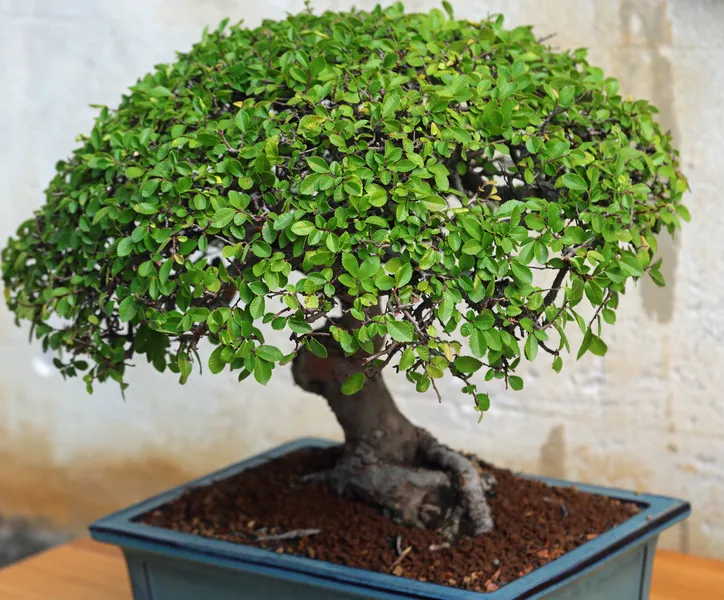
Temperature fluctuations can have a significant impact on Buttonwood Bonsai growth rates and overall health. Buttonwood Bonsai trees prefer warm temperatures, but they can tolerate lower temperatures as long as they are not exposed to freezing conditions.
During the winter season, it is best to keep your Buttonwood Bonsai trees in a protected area with stable temperatures. If left out in the cold, the tree may suffer frost damage or even death.
During the summer months, these trees require plenty of water and protection from intense sunlight. Watering should be done regularly and deeply to ensure proper hydration of the tree.
When moving your Buttonwood Bonsai from indoors to outdoors or vice versa, it is essential to acclimate it to the new temperature gradually. This process will allow the tree to adjust slowly without suffering from shock.
Temperature changes can significantly affect your Buttonwood Bonsai’s growth rate and health. Therefore, it is crucial to monitor and maintain a stable temperature throughout all seasons of growth.
Recap Of Key Points In Proper Care For Buttonwood Bonsai
Taking care of a Buttonwood Bonsai tree requires a lot of attention and patience, but the efforts pay off when you see the tree grow and develop into a beautiful work of art. The following is a summary of the key points that we have discussed throughout this article:
Firstly, it’s important to choose the right location for your Buttonwood Bonsai. The tree requires bright, indirect light and high humidity levels to thrive.
Therefore, placing it near a south-facing window or providing artificial lighting can be beneficial. Secondly, watering is crucial in Buttonwood Bonsai care.
Overwatering can lead to root rot while under-watering can cause dehydration and damage to foliage. The best practice is to keep the soil evenly moist but not waterlogged.
Thirdly, proper soil type and fertilization are essential for healthy growth. A well-draining soil mix with adequate nutrients and minerals will provide the necessary support for optimal growth.
Additionally, using organic fertilizers will help maintain healthy soil conditions without causing chemical buildup. Fourthly, pruning and shaping are important principles when it comes to maintaining your Buttonwood Bonsai’s shape and form.
Regular trimming will help control growth while wiring techniques can be used to guide branches into desired positions. Proper pest control measures should be taken to prevent or treat any infestations that may occur on your tree.
Encouragement To Continue Learning About Bonsai Care
Buttonwood bonsai care is an ever-evolving practice that requires constant learning and improvement as you go along with your journey as a bonsai artist. There are many online resources including forums where fellow enthusiasts share their experiences with growing buttonwoods which creates an opportunity for new ideas that could improve your own process in caring for your buttonwoods.
There are also numerous books and articles available, covering a wide range of topics from basic care to advanced techniques. You can explore these resources to learn more about the history of bonsai, the different species of trees suitable for bonsai cultivation, and specific techniques such as grafting and air layering.
By learning from others’ experiences and knowledge passed down over the years, there’s always something new to discover that could improve your own practice. Furthermore, joining a local bonsai club can provide an opportunity to meet other enthusiasts and gain access to specialized information or workshops focused on buttonwoods specifically.
Engaging with other artists in this way can help you stay motivated and inspired as you continue on your journey as a Buttonwood Bonsai caretaker. Taking care of Buttonwood Bonsai requires dedication, patience, and attention to detail.
Investing time in learning about proper care techniques will ultimately result in a beautiful tree that will give joy for years to come. Remember that the practice is ever-evolving so don’t hesitate to experiment with different techniques or seek help from others in your community – there’s always something new to discover!
After reading this, check out our other articles on:
Frequently Asked Questions
Buttonwood bonsai trees require well-draining soil, moderate sunlight, regular watering, and occasional fertilization to thrive. They should also be pruned and wired regularly to maintain their shape.
Buttonwood plants require moist, well-draining soil, regular watering, and occasional fertilization to thrive. They should also be protected from frost and strong winds.
Silver buttonwood prefers full sun but can tolerate some shade. It should be protected from frost and strong winds.
Bonsai trees should be placed in an area with adequate sunlight and humidity, watered regularly, and fertilized occasionally. They should also be pruned and wired as needed to maintain their shape.
Bonsai trees should be placed in a bright, airy location with adequate sunlight and humidity. They should also be protected from extreme temperatures and drafts.