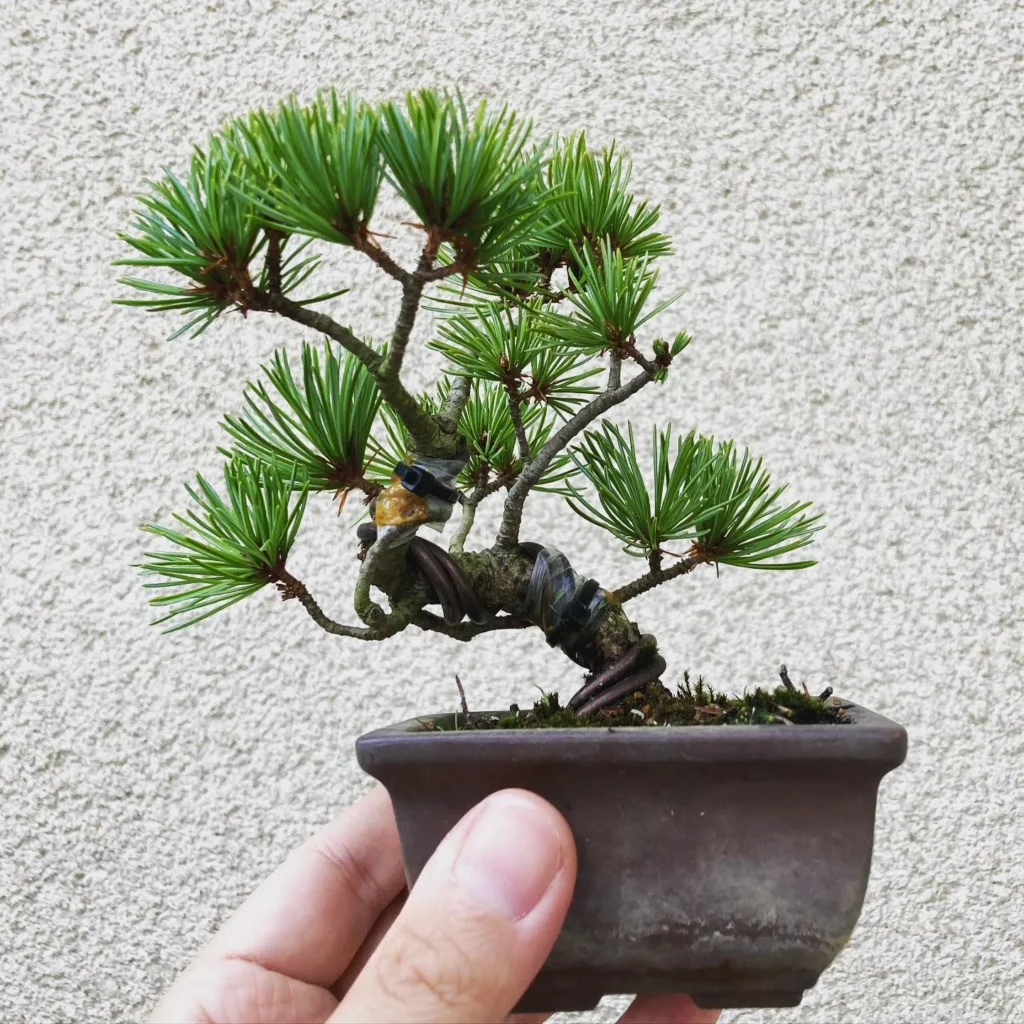
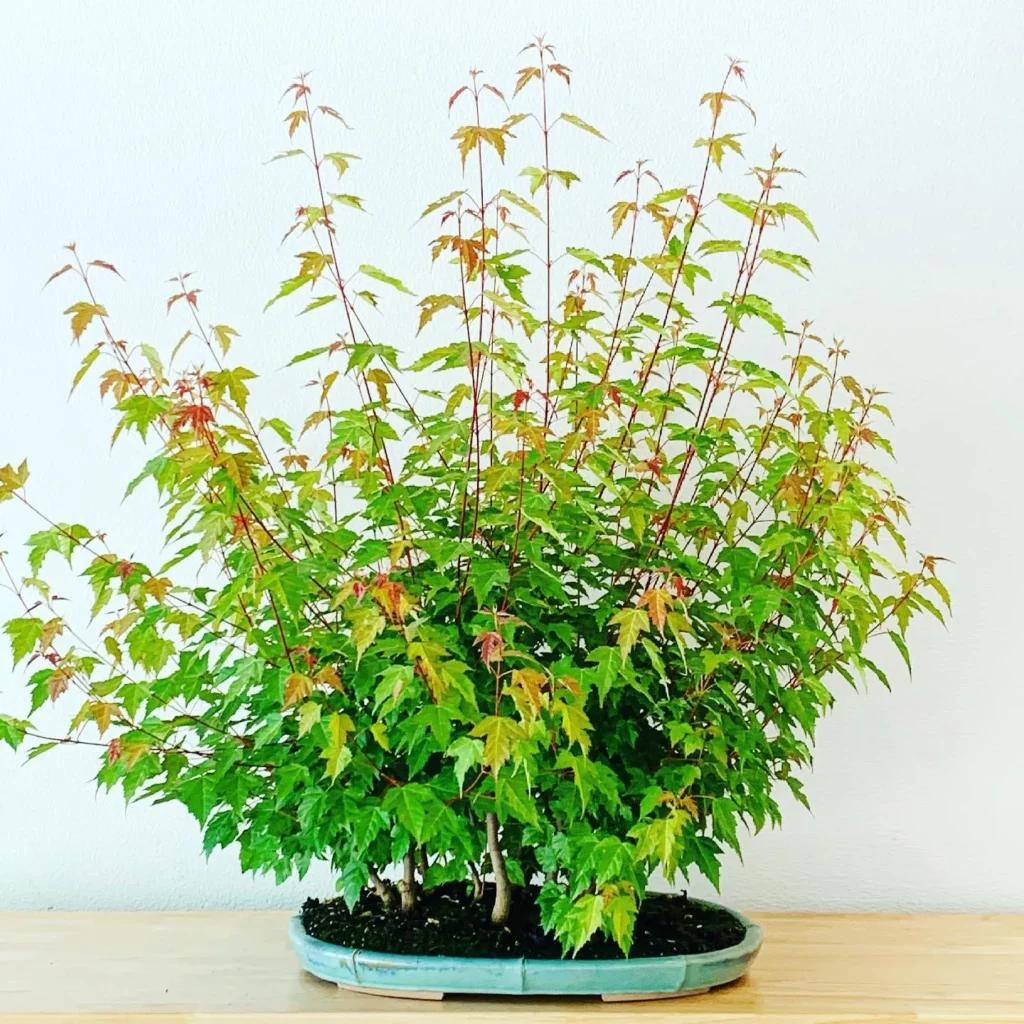
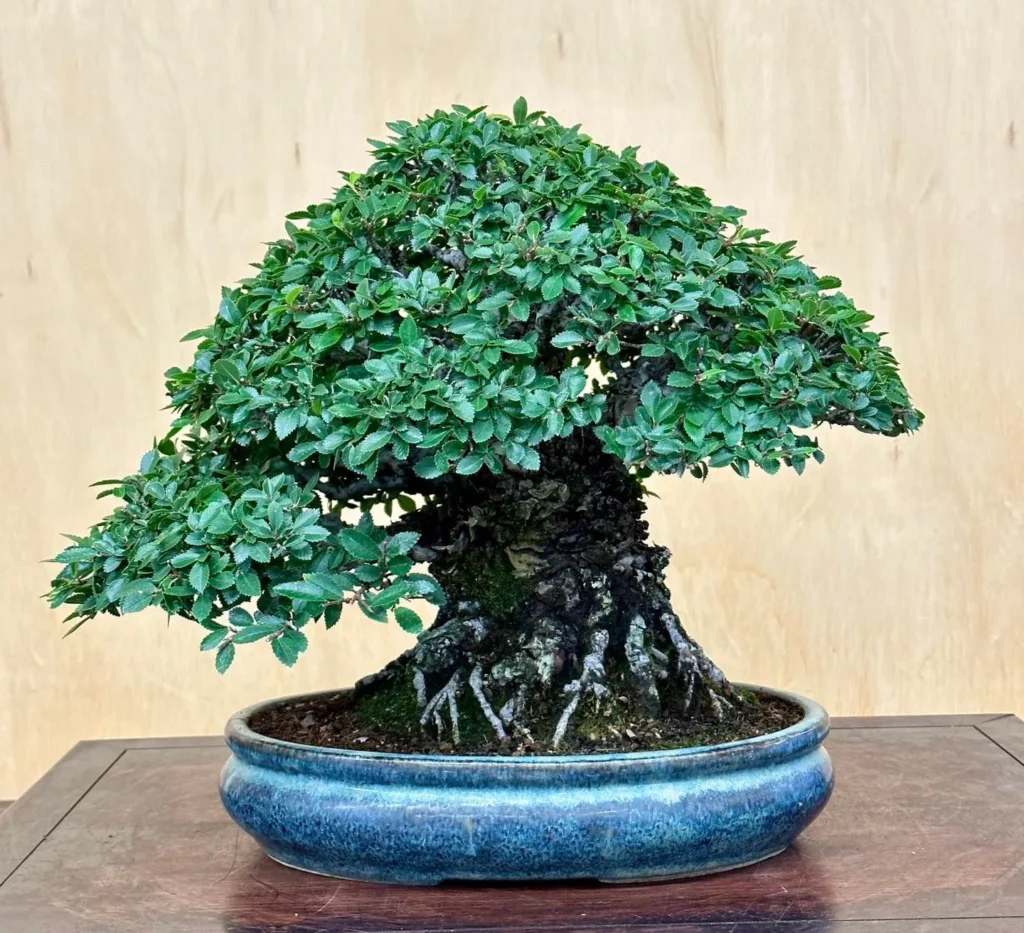
Welcome to my blog post about bonsai pots! If you’re a fan of miniature trees and want to add a touch of green to your living space, then you’ve come to the right place. In this article, I will introduce you to the world of bonsai pots and why they are essential for nurturing and displaying your beloved bonsai trees.
Before we dive into the details, let’s take a moment to appreciate the beauty and craftsmanship of bonsai pots. These containers not only serve a functional purpose by providing a home for your bonsai tree, but they also enhance the aesthetic appeal of your living space. With their intricate designs and natural materials, bonsai pots bring a touch of nature indoors and create a serene and calming atmosphere.
Whether you’re a seasoned bonsai enthusiast or just starting your journey, finding the perfect bonsai pot is crucial. It should not only complement the style and size of your miniature tree but also provide the necessary conditions for its growth and health. From traditional Yixing pots from China to vintage Tokoname pots from Japan, there are various options to suit your preferences.
In this article, we will explore different types of bonsai pots, including Yixing pots known for their elegance and simplicity, vintage Tokoname pots valued by collectors, unique ceramic pots by renowned artists Sonny Boggs and Francois Gau, as well as practical options like high impact plastic pots.
So, whether you’re looking for a pot that adds artistic flair to your bonsai display or a durable and affordable option, this article will guide you through the wide range of bonsai pots available. Let’s get started!
Key Takeaways:
- Bonsai pots serve both functional and aesthetic purposes in nurturing and displaying miniature trees.
- There are various types of bonsai pots available, including traditional Yixing and vintage Tokoname pots.
- Unique ceramic pots by renowned artists Sonny Boggs and Francois Gau bring artistry to your bonsai collection.
- Practical options like high impact plastic pots are durable and affordable.
- Choose a bonsai pot that complements your bonsai tree’s style and size while providing the necessary conditions for its growth and health.
Yixing Bonsai Pots
Yixing Bonsai Pots are highly regarded for their exquisite craftsmanship and unique aesthetic. Originating from the “Yixing” area of Jiangsu Province in China, which is known as the pottery capital of the country, these pots are hand-shaped with elegance and simplicity. The art of Yixing pottery has been passed down through generations, resulting in pots that are not only functional but also works of art.
The natural clay used in Yixing Bonsai Pots has unique properties that enhance the health and growth of bonsai trees. The porous nature of the clay allows for proper airflow and moisture regulation, creating an optimal environment for the roots. The unglazed finish of these pots also contributes to their breathability, ensuring that the bonsai’s roots receive the necessary oxygen.
When it comes to Yixing Bonsai Pots, the attention to detail is unparalleled. Each pot is meticulously crafted by skilled artisans, who take great pride in their work. The result is a collection of pots that not only complement the beauty of bonsai trees but also add a touch of elegance to any space.

The Beauty of Yixing Bonsai Pots
Yixing Bonsai Pots are a testament to the rich heritage of Chinese pottery. Their timeless beauty and exceptional quality make them highly sought after by bonsai enthusiasts around the world.
Whether you’re a seasoned bonsai collector or just starting your journey into the world of bonsai, Yixing Bonsai Pots are an excellent choice. Their craftsmanship, unique features, and historical significance make them a valuable addition to any bonsai collection. Explore our selection of Yixing Bonsai Pots and discover the perfect pot to showcase your bonsai tree.
Comparison of Yixing Bonsai Pots
| Feature | Yixing Bonsai Pots | Other Bonsai Pots |
|---|---|---|
| Material | Natural clay | Various materials |
| Craftsmanship | Hand-shaped, attention to detail | Mass-produced |
| Aesthetic | Elegant, simple | Varies depending on style |
| Airflow | Optimal breathability | Varies depending on material |
| Moisture regulation | Excellent moisture retention | Varies depending on material |
As seen in the comparison table above, Yixing Bonsai Pots offer unique advantages over other types of bonsai pots. From their superior craftsmanship to their natural clay material, these pots are truly exceptional. Invest in a Yixing Bonsai Pot and experience the beauty and functionality that they bring to your bonsai collection.
Vintage Tokoname Bonsai Pots
When it comes to bonsai, collectors are always on the lookout for unique and rare pieces that add value to their collections. Vintage Tokoname Bonsai Pots are just the kind of collector pots that enthusiasts seek. Imported directly from Japan, these pots carry historical significance and a touch of elegance that can truly enhance your bonsai display.
The Tokoname region in Japan has been synonymous with pottery for centuries, and the artistry and craftsmanship behind these vintage pots are evident in their designs. Each pot tells a story, bearing the marks of the potter’s skillful hands and reflecting the rich cultural heritage of Japan. Whether you are a seasoned collector or a bonsai enthusiast looking to add a special touch to your tree, Vintage Tokoname Bonsai Pots are a treasure worth acquiring.
“Vintage Tokoname Bonsai Pots are not just containers for your bonsai; they are a piece of art that adds value and character to your collection.”
When selecting Vintage Tokoname Bonsai Pots, it is essential to consider the size and shape of your bonsai tree. These pots come in various sizes and styles, ranging from traditional round shapes to more contemporary square and rectangular designs. Choose a pot that complements your bonsai’s aesthetics and allows for the proper growth and development of its roots.
With their exquisite craftsmanship and cultural significance, Vintage Tokoname Bonsai Pots are a perfect addition to any bonsai collection. Explore our selection and discover the beauty and history that these collector pots bring to your miniature trees.
Features of Vintage Tokoname Bonsai Pots
| Feature | Description |
|---|---|
| Elegant Designs | Vintage Tokoname Bonsai Pots showcase intricate designs and patterns that reflect the artistry of the potter. |
| Historical Significance | These pots are imported from Japan and carry the historical significance of the Tokoname region, known for its pottery heritage. |
| Durable Materials | Made from high-quality materials, the pots are designed to withstand the test of time and ensure the longevity of your bonsai. |
| Unique Collectibles | Each Vintage Tokoname Bonsai Pot is a one-of-a-kind piece that adds value to your collection and highlights the uniqueness of your bonsai. |
| Sizes and Shapes | Available in various sizes and shapes to cater to different bonsai species and aesthetics. |
When you acquire a Vintage Tokoname Bonsai Pot, you are not just getting a functional container but a piece of art that tells a story and captures the essence of bonsai cultivation. Cherish the beauty and historical significance of these collector pots as you showcase your bonsai to the world.
Sonny Boggs Ceramic Bonsai Pots
If you’re in search of unique collector pots for your bonsai collection, look no further than Sonny Boggs Ceramic Bonsai Pots. Handmade by renowned writer and potter Sonny Boggs, these pots are true works of art. Each pot is carefully crafted with attention to detail, resulting in one-of-a-kind creations that will elevate the beauty of your bonsai trees.
Sonny Boggs, based in Winston Salem, NC, brings his passion for writing and pottery together to create ceramic bonsai pots that are both functional and visually stunning. With his expertise and artistic sensibility, he has gained recognition among bonsai enthusiasts for his exceptional craftsmanship and unique designs.
When you choose Sonny Boggs Ceramic Bonsai Pots, you can be confident that you’re adding a special touch to your bonsai collection. These handmade pots not only provide a beautiful home for your miniature trees but also serve as conversation starters and pieces of art in their own right. Explore our selection of Sonny Boggs Ceramic Bonsai Pots and discover the perfect pot to showcase your bonsai’s natural beauty.
| Pot Name | Material | Dimensions | Price |
|---|---|---|---|
| Sakura | Ceramic | 10cm x 10cm | $50 |
| Koi | Ceramic | 15cm x 15cm | $75 |
| Bamboo Forest | Ceramic | 20cm x 20cm | $100 |
| Mountain Mist | Ceramic | 25cm x 25cm | $125 |
Customer Reviews
“I fell in love with Sonny Boggs Ceramic Bonsai Pots the moment I saw them. The attention to detail and the unique designs make them stand out from other pots. My bonsai collection has never looked better!” – Jane, Bonsai Enthusiast
“Sonny Boggs’ pots are true works of art. I love how they add a touch of elegance and sophistication to my bonsai display. They are definitely collector’s items!” – Mark, Bonsai Collector
Francois Gau Ceramic Bonsai Pots
When it comes to rare and exquisite bonsai pots, Francois Gau Ceramic Bonsai Pots are in a league of their own. Imported from France, these pots are highly sought after by bonsai enthusiasts for their craftsmanship and unique designs. Each piece is meticulously handcrafted by Francois Gau himself, ensuring that every pot is a work of art.
With their elegant and timeless aesthetic, Francois Gau Ceramic Bonsai Pots add a touch of sophistication to any bonsai collection. The attention to detail and quality materials used in their making make them a truly rare find. Whether you’re a seasoned collector or a beginner looking to elevate your bonsai display, these pots are sure to impress.
From traditional shapes to more intricate designs, Francois Gau Ceramic Bonsai Pots offer a wide range of options to suit different bonsai styles and preferences. The versatility and uniqueness of these pots make them a perfect choice for those looking to showcase their bonsai trees in a truly exceptional way.
Francois Gau Ceramic Bonsai Pots Collection
| Product Code | Design | Size (inches) | Price |
|---|---|---|---|
| FG-001 | Floral Embossed Round Pot | 10 x 10 | $150 |
| FG-002 | Square Ripple Pot | 8 x 8 | $120 |
| FG-003 | Rectangular Bamboo Pot | 12 x 6 | $180 |
| FG-004 | Lotus Flower Oval Pot | 14 x 8 | $200 |
Experience the beauty and rarity of Francois Gau Ceramic Bonsai Pots by adding one to your bonsai collection today. These pots are a testament to the exquisite artistry and craftsmanship of bonsai pot making. Don’t miss out on the opportunity to own a truly exceptional piece that will enhance the beauty of your bonsai tree.

Shop our collection of Francois Gau Ceramic Bonsai Pots now and discover the perfect pot that will make your bonsai display stand out.
Handmade Bonsai Pots by Andy Arnault
When it comes to finding the perfect pot for your bonsai, look no further than the exquisite handmade creations by Andy Arnault. Andy, a talented pottery artist based in Cape Cod, has dedicated his craft to creating unique and beautifully made Bonsai Pots that are truly one-of-a-kind.
Andy’s pots are known for their exceptional craftsmanship and attention to detail. Each piece is meticulously handcrafted, allowing for a level of artistry that is unmatched. Whether you’re a bonsai enthusiast or simply appreciate fine pottery, you’ll be captivated by the beauty and quality of Andy’s work.
As a member of the Cape Cod Bonsai Club, Andy brings his passion for bonsai and pottery together in his creations. His pots are designed to enhance the natural beauty of bonsai trees while providing the perfect environment for their growth. With a variety of styles and designs to choose from, you’re sure to find a handmade Bonsai Pot by Andy Arnault that suits your aesthetic preferences and complements your bonsai collection.
| Benefits of Handmade Bonsai Pots by Andy Arnault: |
|---|
| 1. Unique and one-of-a-kind designs |
| 2. Exceptional craftsmanship and attention to detail |
| 3. Perfect for showcasing the natural beauty of bonsai trees |
| 4. Designed to provide an optimal environment for bonsai growth |
| 5. Handcrafted with passion and expertise |
Experience the artistry and beauty of handmade Bonsai Pots by Andy Arnault. Browse our collection and find the perfect pot to elevate your bonsai display. Shop now and let Andy’s creations bring a touch of elegance to your bonsai collection.

High Impact Plastic Bonsai Pots
When it comes to selecting the perfect bonsai pot, there are countless options available. One type that stands out for its durability and affordability is the high impact plastic bonsai pot. These pots are specially designed to withstand the elements and provide a long-lasting home for your bonsai tree.
High impact plastic bonsai pots are constructed from high-quality plastic materials that are known for their strength and resilience. They are lightweight, making them easy to handle and maneuver, especially when it comes to moving or rearranging your bonsai collection. Additionally, these pots are resistant to cracking or breaking, ensuring that they will remain intact even in harsh weather conditions.
“I’ve been using high impact plastic bonsai pots for years, and I have to say they are incredibly durable. They can withstand strong winds, heavy rain, and even freezing temperatures without any issues. Plus, they are affordable, which is perfect for someone like me who enjoys expanding their bonsai collection.” – Bonsai enthusiast
Aside from their durability, high impact plastic bonsai pots are also known for being incredibly affordable. Compared to other materials like ceramic or clay, plastic pots are often much more budget-friendly without compromising on quality. Whether you’re a beginner or a seasoned bonsai enthusiast, these pots are a great option for those looking to add new trees to their collection without breaking the bank.
| Pot Material | Durability | Affordability | Weight |
|---|---|---|---|
| High Impact Plastic | ✅ | ✅ | ✅ |
| Ceramic | ❌ | ❌ | ❌ |
| Clay | ❌ | ❌ | ❌ |
With their durability, affordability, and versatility, high impact plastic bonsai pots are an excellent choice for both beginners and experienced bonsai enthusiasts. They provide a reliable and cost-effective option for showcasing your bonsai trees while ensuring their protection and longevity. Explore our collection of high impact plastic bonsai pots and find the perfect one for your bonsai today!

Unglazed Yixing Bonsai Pots: Enhance Your Tree’s Health Naturally
When it comes to choosing the perfect bonsai pot, Unglazed Yixing Bonsai Pots offer a unique combination of natural clay and breathability that can greatly enhance the health and growth of your bonsai tree. The unglazed finish of these pots allows for better moisture regulation and root development, promoting optimal tree health.
Handcrafted using traditional techniques, Unglazed Yixing Pots are known for their exceptional craftsmanship and timeless appeal. The natural clay material used in their construction retains moisture and allows for better aeration, creating a healthy microenvironment for your bonsai tree to thrive.
Whether you’re a seasoned bonsai enthusiast or just starting your bonsai journey, investing in an Unglazed Yixing Bonsai Pot is a great choice. Not only will it provide your tree with a beautiful and natural container, but it will also contribute to its overall well-being. Explore our selection of Unglazed Yixing Bonsai Pots and give your tree the perfect home it deserves.
Why Choose Unglazed Yixing Bonsai Pots?
- Enhanced tree health: The natural clay material enhances moisture retention and airflow, leading to healthier roots and overall tree vitality.
- Timeless aesthetics: Unglazed Yixing Bonsai Pots showcase a rustic charm that complements the natural beauty of your bonsai tree.
- Craftsmanship: Handcrafted by skilled artisans using traditional techniques, these pots exhibit superior craftsmanship and attention to detail.
- Long-lasting quality: Made from durable materials, Unglazed Yixing Pots are built to withstand the test of time, ensuring your bonsai tree has a reliable home for years to come.
Give your bonsai tree the best chance to thrive and flourish with an Unglazed Yixing Bonsai Pot. Shop our collection now and experience the natural beauty and benefits these pots have to offer.

Cascade Bonsai Pots
Explore the unique design and captivating beauty of Cascade Bonsai Pots. These pots are crafted with a special shape that allows for the creation of cascading or waterfall-style bonsai trees, adding a stunning visual element to your bonsai display.
The lower front and higher back of Cascade Bonsai Pots create a natural flow that mimics the effect of a cascading waterfall, giving your bonsai tree a dynamic and eye-catching appearance. The distinct shape of these pots emphasizes the vertical growth of your bonsai and adds a sense of movement and fluidity to your bonsai composition.
Whether you’re a seasoned bonsai enthusiast or just starting your bonsai journey, Cascade Bonsai Pots offer a unique way to showcase your trees. Their extraordinary design brings a sense of tranquility and natural beauty to your living space, making them a favorite choice among bonsai enthusiasts who appreciate the artistry and harmony of bonsai cultivation.

Benefits of Cascade Bonsai Pots
- Unique design that creates a waterfall effect for your bonsai trees
- Enhances the vertical growth and visual impact of your bonsai
- Adds a sense of movement and fluidity to your bonsai composition
- Captivating and eye-catching addition to any bonsai collection
- Perfect for creating a natural and serene environment in your home or garden
“Cascade Bonsai Pots offer a mesmerizing display of nature’s elegance. The cascading effect adds a touch of tranquility to your bonsai display, creating a miniature landscape that captures the essence of nature’s beauty.” – Bonsai Enthusiast
Explore our collection of Cascade Bonsai Pots and elevate your bonsai display to new heights. Choose the perfect pot that complements your bonsai tree and brings the captivating beauty of cascading waterfalls into your home or garden.
Mame Bonsai Pots
When it comes to mini bonsai, size matters. That’s where Mame Bonsai Pots come in. These small-sized pots are perfect for showcasing your miniature bonsai trees, adding a touch of charm and elegance to your collection.
Designed specifically for mini bonsai, Mame Bonsai Pots provide a proportionate and visually appealing container for your small trees. The compact size ensures that the focus remains on the intricate details and delicate beauty of your mini bonsai creations.
Whether you’re a seasoned bonsai enthusiast or a beginner looking to explore the world of bonsai, Mame Bonsai Pots are a must-have addition to your collection. Their small size allows for easy placement and arrangement, making them suitable for desktops, shelves, or any small living space. With Mame Bonsai Pots, you can create stunning mini bonsai displays that are sure to impress.

Size Comparison of Bonsai Pots
| Bonsai Pot Type | Size | Recommended Bonsai |
|---|---|---|
| Mame Bonsai Pots | Small | Miniature bonsai |
| Regular Bonsai Pots | Medium | Standard-sized bonsai |
| Large Bonsai Pots | Large | Big-sized bonsai |
“Mame Bonsai Pots are the perfect choice for showcasing mini bonsai. Their small size allows for precise placement and emphasizes the intricate beauty of these miniature trees.”
Whether you prefer traditional clay or modern plastic pots, there are plenty of Mame Bonsai Pot options to choose from. Explore our collection and find the perfect pot to enhance the beauty of your mini bonsai and elevate your bonsai experience.
Plastic Bonsai Pots
Plastic Bonsai Pots offer a lightweight and easy-to-maintain option for bonsai enthusiasts. Made from durable plastic materials, these pots are designed to withstand various weather conditions and provide a practical solution for growing and displaying your bonsai trees.
One of the key advantages of plastic bonsai pots is their lightweight nature. Unlike ceramic or clay pots, plastic pots are easier to handle and move around, making it convenient to change the position of your bonsai tree or transport it when needed. This is especially beneficial for those who prefer a more flexible and versatile approach to their bonsai care.
In addition to being lightweight, plastic bonsai pots are also easy to maintain. They require minimal cleaning and can be simply rinsed off with water to remove any debris or dirt. Plastic pots also have excellent drainage properties, ensuring proper water flow and preventing waterlogging, which can be detrimental to the health of your bonsai tree.

Comparison of Plastic Bonsai Pots
| Feature | Advantages | Disadvantages |
|---|---|---|
| Lightweight | Easy to handle and move | May not provide as much stability as heavier pots |
| Durable | Resistant to cracking and breakage | May fade or discolor over time with exposure to sunlight |
| Easy to maintain | Minimal cleaning required | May be less visually appealing compared to ceramic or clay pots |
| Affordable | Budget-friendly option | May not have the same aesthetic appeal as higher-end pots |
Whether you’re a beginner or an experienced bonsai enthusiast, plastic bonsai pots offer a practical and affordable solution for showcasing your miniature trees. With their lightweight design and easy maintenance, they provide a convenient option for bonsai care without compromising on the overall health and appearance of your bonsai tree. Explore our collection of Plastic Bonsai Pots and find the perfect one to complement your bonsai journey.
Bonsai Pot Accessories
In order to enhance your bonsai potting experience and ensure the health and longevity of your bonsai trees, it’s important to have the right accessories. Bonsai pot accessories can help with drainage, soil retention, and overall maintenance. At [Your Company Name], we offer a wide range of bonsai pot accessories to meet your needs.
Drainage Screens
One essential accessory for bonsai pots is drainage screens. These screens are placed over the drainage holes at the bottom of the pot to prevent soil from washing out while allowing excess water to drain properly. They help to maintain the right moisture levels for your bonsai tree and prevent waterlogging, which can be harmful to the roots. Our drainage screens are made from durable materials and come in different sizes to fit various pot dimensions.
Trays
Another important accessory for bonsai pots is trays. These trays are placed underneath the pots to catch excess water and protect surfaces from moisture damage. They not only help to maintain a clean and tidy display but also prevent water from spilling onto your furniture or flooring. Our trays are designed with functionality and aesthetics in mind, offering a range of sizes and styles to complement your bonsai pots.
Whether you’re a seasoned bonsai enthusiast or just starting out, investing in bonsai pot accessories can greatly enhance your bonsai experience. They provide practical solutions for proper drainage and maintenance, ensuring the health and beauty of your bonsai trees. Browse our collection of bonsai pot accessories at [Your Company Name] and find everything you need to care for your bonsai pots.
Affordable Bonsai Pots
If you’re shopping on a budget, our collection of Affordable Bonsai Pots is perfect for you. We understand that not everyone wants to break the bank when starting or expanding their bonsai collection. That’s why we’ve curated a range of budget-friendly options that offer great value without compromising on quality.
Our Affordable Bonsai Pots are carefully selected to meet the needs of both beginners and experienced bonsai enthusiasts. These pots come in various sizes, styles, and materials, allowing you to find the perfect fit for your bonsai tree. From plastic pots that are lightweight and easy to maintain, to unglazed Yixing pots that enhance tree health, we have something for everyone.
When you choose our Affordable Bonsai Pots, you can rest assured that you’re getting a high-quality product at an affordable price. We believe that everyone should have the opportunity to enjoy the beauty and tranquility of bonsai, regardless of their budget. Shop our collection of Affordable Bonsai Pots and start your bonsai journey without breaking the bank.

Affordable Bonsai Pot Options
Here are some examples of the budget-friendly bonsai pots available in our collection:
| Bonsai Pot | Material | Size | Price |
|---|---|---|---|
| Plastic Bonsai Pot | High Impact Plastic | Various sizes | $9.99 |
| Unglazed Yixing Bonsai Pot | Natural Clay | 6 inches | $14.99 |
| Vintage Tokoname Bonsai Pot | Ceramic | 8 inches | $19.99 |
| High Impact Plastic Cascade Bonsai Pot | High Impact Plastic | Various sizes | $12.99 |
These are just a few examples of the affordable bonsai pots we offer. Our collection is constantly evolving, so be sure to check back regularly for new additions and special offers. Discover the joy of bonsai without breaking the bank by choosing our range of Affordable Bonsai Pots.
Custom Bonsai Pots
When it comes to showcasing your bonsai tree, why settle for a standard pot when you can have a custom-made masterpiece? With our range of Custom Bonsai Pots, you have the opportunity to personalize your bonsai display with unique designs and customized features. Whether you have a specific vision in mind or need guidance from our skilled artisans, we can bring your ideas to life.
Our Custom Bonsai Pots offer endless possibilities for creating a truly one-of-a-kind display. From intricate patterns and textures to personalized engravings, you can add a personal touch to your bonsai pottery. Imagine having your name or a meaningful phrase etched onto the pot, making it truly unique to you.
Not only do Custom Bonsai Pots allow you to express your individuality, but they also enhance the overall aesthetic of your display. You can choose from a variety of sizes, shapes, and colors to perfectly complement your bonsai tree. Whether you prefer a minimalist design or something more elaborate, our artisans can bring your vision to life.
Investing in Custom Bonsai Pots is not just about the aesthetics; it’s also about creating an optimal environment for your tree’s growth. Our pots are designed with the specific needs of bonsai trees in mind, providing proper drainage and airflow to promote healthy root development. With a custom pot, you can ensure that your bonsai has the perfect home to thrive.

Benefits of Custom Bonsai Pots
There are several benefits to choosing custom pots for your bonsai:
- Personalized: Add your own touch with custom designs, engravings, or even color schemes.
- Unique: Stand out from the crowd with a one-of-a-kind pot that no one else has.
- Aesthetic Appeal: Enhance the overall look of your bonsai display with a pot that perfectly complements your tree.
- Optimal Growth: Custom pots provide the ideal environment for healthy growth and development of your bonsai tree.
With our Custom Bonsai Pots, you can create a truly special and personalized display that reflects your unique style and passion for bonsai. Browse our selection and let us help you bring your vision to life.
Conclusion
In conclusion, Bonsai Pots are an essential component of bonsai cultivation and display. They not only provide a functional container for your miniature trees but also add a touch of nature and artistry to your living space.
Whether you’re looking for traditional Yixing or Tokoname pots, unique handmade creations by talented artists like Sonny Boggs and Francois Gau, or practical and affordable options like High Impact Plastic Bonsai Pots, our extensive collection has something for every bonsai enthusiast.
Remember, the right pot can enhance your bonsai tree’s health, showcase its beauty, and create a visually striking design. So take your time to explore our selection, find the perfect pot to complement your bonsai, and elevate your bonsai experience to new heights.
Shop now and discover the world of Bonsai Pots!
FAQ
Are Bonsai Pots necessary for growing miniature trees?
Yes, Bonsai Pots are essential for nurturing and displaying your miniature trees. They provide a functional container and add a touch of nature to your living space.
Where do Yixing Bonsai Pots originate from?
Yixing Bonsai Pots originate from the “Yixing” area of Jiangsu Province in China, which is widely known as the pottery capital of the country.
What makes Vintage Tokoname Bonsai Pots special?
Vintage Tokoname Bonsai Pots are highly valued by collectors and bonsai enthusiasts for their unique designs and historical significance. They are imported from Japan and acquired from local collectors.
Who is Sonny Boggs?
Sonny Boggs is a renowned writer and potter based in Winston Salem, NC. He specializes in creating unique ceramic Bonsai Pots and Penjing pots.
Where are Francois Gau Ceramic Bonsai Pots from?
Francois Gau Ceramic Bonsai Pots are highly esteemed pots imported from France. They are known for their exceptional quality and rarity in the United States.
Who is Andy Arnault?
Andy Arnault is a talented pottery artist based in Cape Cod. He specializes in creating handmade Bonsai Pots known for their craftsmanship and attention to detail.
Are High Impact Plastic Bonsai Pots durable?
Yes, High Impact Plastic Bonsai Pots are known for their durability and ability to withstand various weather conditions. They are also an affordable option for bonsai enthusiasts.
Why are Unglazed Yixing Bonsai Pots popular among bonsai enthusiasts?
Unglazed Yixing Bonsai Pots are made from natural clay and left unglazed, allowing better breathability and moisture regulation. They are favored for their ability to enhance tree health and encourage root growth.
What is the unique feature of Cascade Bonsai Pots?
Cascade Bonsai Pots have a lower front and higher back design, creating a visually striking effect. They are ideal for creating bonsai trees with a vertical cascading form.
What are Mame Bonsai Pots used for?
Mame Bonsai Pots are specifically designed for small bonsai trees, often referred to as “mame” bonsai. They are smaller in size and ideal for showcasing miniaturized versions of larger bonsai species.
Why are Plastic Bonsai Pots popular?
Plastic Bonsai Pots are lightweight, easy to maintain, and come in various sizes and styles. They are a practical and versatile option for bonsai enthusiasts.
What Bonsai Pot Accessories are available?
Bonsai Pot Accessories include drainage screens to prevent soil from washing out and trays to catch excess water and protect surfaces.
Are there Affordable Bonsai Pots available?
Yes, we offer a collection of Affordable Bonsai Pots that provide great value without compromising on quality. They are suitable for both beginners and experienced bonsai enthusiasts.
Can I get Custom Bonsai Pots?
Yes, we offer Custom Bonsai Pots that allow you to personalize your bonsai display with unique designs and customized features. Work with our skilled artisans to bring your vision to life.