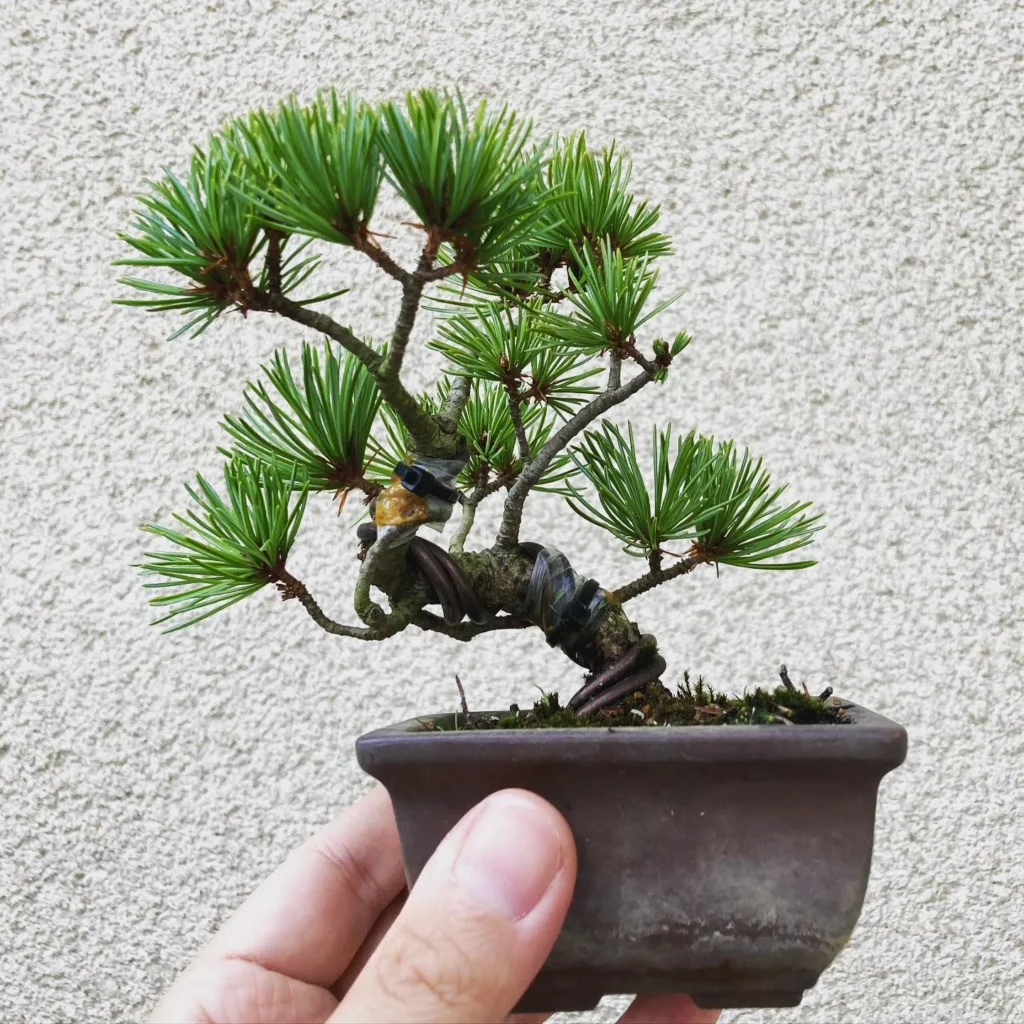
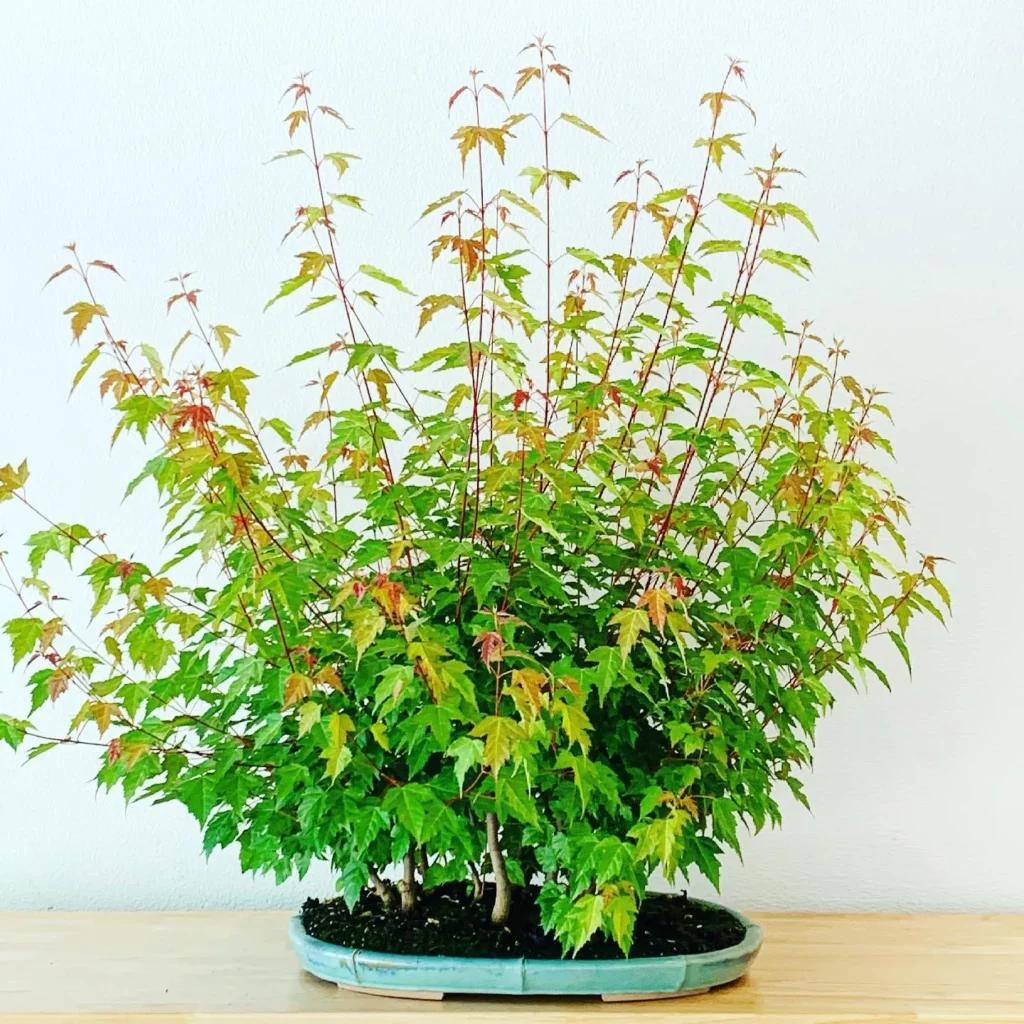
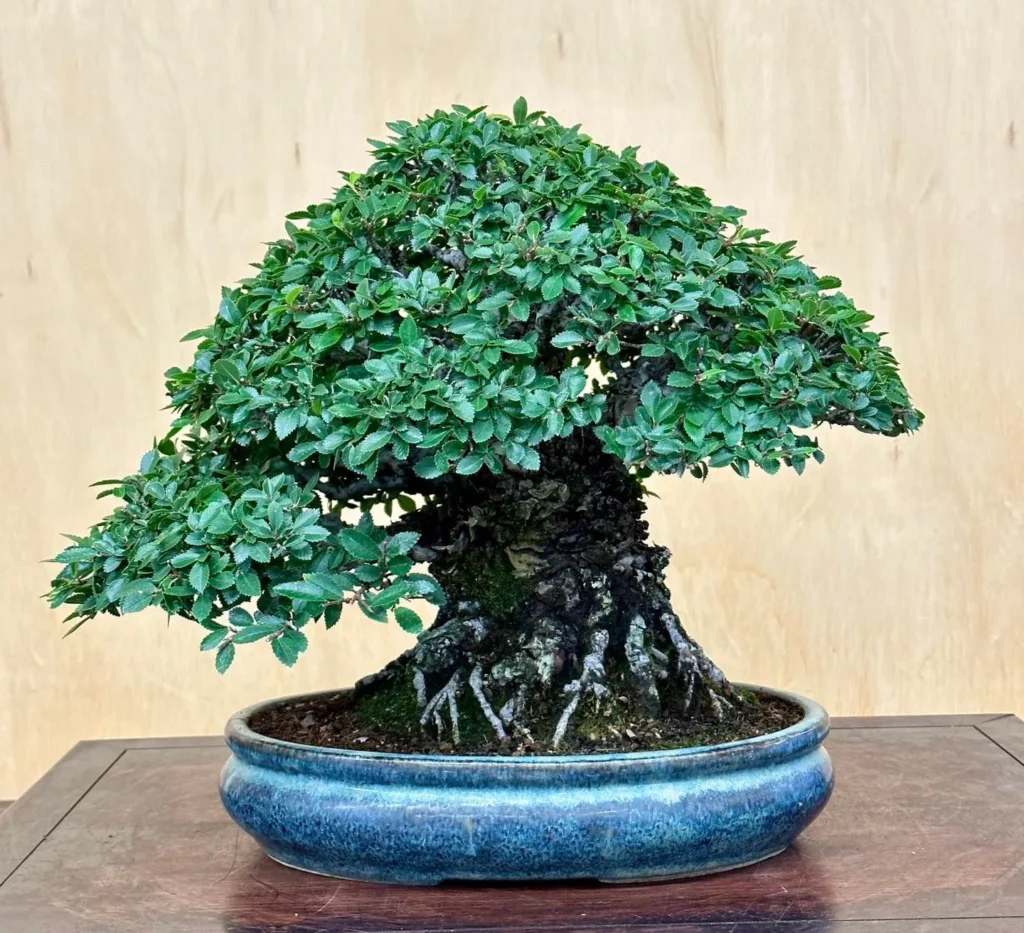
The Bald Cypress Bonsai is a visually striking tree that boasts a distinct appearance. Its pyramidal shape and spreading branches create an elegant silhouette, making it a captivating addition to any bonsai collection. The tree’s foliage consists of feathery needle-like leaves that are light green and soft. As the seasons change, the leaves turn a beautiful golden-orange color before eventually shedding. This transformation adds a vibrant touch to the overall aesthetic of the tree.
Key Takeaways:
- The Bald Cypress Bonsai is a resilient and beautiful tree species.
- It is native to the southern states of the USA, Mexico, and Guatemala.
- With patience and attention to detail, you can successfully grow and develop your Bald Cypress Bonsai into a stunning bonsai tree.
Appearance of the Bald Cypress Bonsai


One of the most notable features of the Bald Cypress Bonsai is its bark. When young, the bark is rough and reddish-brown in color, providing a rich contrast to the tree’s foliage. With age, the bark matures to a greyish-brown hue, giving the tree a mature and distinguished appearance. Additionally, when grown in wet soil, the Bald Cypress Bonsai develops unique cypress knees. These woody structures rise above the water level, adding a remarkable and distinctive characteristic to the tree.
The Bald Cypress Bonsai also produces small, round cones that mature to a brown color and remain on the tree. These cones serve as a testament to the tree’s natural reproductive cycle and add an element of interest and intrigue to its appearance. Overall, with its pyramidal shape, vibrant foliage, intriguing bark, and unique cypress knees, the Bald Cypress Bonsai is a true delight for the eyes.
Light Requirements for the Bald Cypress Bonsai


The Bald Cypress Bonsai, like all plants, has specific light requirements that are crucial for its growth and overall health. Here are some important points to consider when it comes to providing the right amount of light for your Bald Cypress Bonsai:
- Full Sun: The Bald Cypress Bonsai thrives in full sun during the growing season. It needs at least 6 hours of direct sunlight each day to ensure optimal growth.
- Outdoor Placement: In warm climates, you can keep your Bald Cypress Bonsai outside all year round to maximize its exposure to sunlight. However, if you live in an area with cold winters, you may need to bring the tree indoors or provide protection from frost.
- Indoor Placement: If you choose to keep your Bald Cypress Bonsai indoors, place it near a south-facing window where it can receive ample sunlight. You can also use artificial grow lights to supplement the natural light if needed.
- Monitor Sun Exposure: While the Bald Cypress Bonsai loves sunlight, it’s important to monitor its exposure to avoid any damage from excessive heat or intense midday sun. If necessary, provide partial shade during the hottest hours of the day.
The Role of Light in Growth
Light plays a crucial role in the growth and development of the Bald Cypress Bonsai. It is directly responsible for photosynthesis, the process by which plants convert light energy into chemical energy, fueling their growth. Adequate sunlight ensures that the tree can produce the necessary food and energy to thrive.
Watering the Bald Cypress Bonsai


Proper watering is crucial for the health and vitality of your Bald Cypress Bonsai. As a tree that thrives in wet soil, it requires consistent hydration to flourish. During the summer months, when the tree is actively growing, it is essential to provide an ample water supply. Ensure that the soil is evenly moist, but not waterlogged, as excessive moisture can lead to root rot. To maintain moisture levels, you can consider placing the bonsai pot in a shallow bowl filled with water, allowing the roots to absorb moisture as needed.
In the winter, when the leaves of the Bald Cypress Bonsai have fallen, its water requirements decrease. However, it is still important to prevent the soil from drying out completely. Monitor the moisture level regularly and water the tree whenever the top inch of soil feels dry to the touch. Remember that consistency is key – avoid overwatering or underwatering, as both can harm the tree’s health. Adjust your watering schedule based on the season and your specific climate conditions.
Watering Tips for the Bald Cypress Bonsai:
- Check the moisture level of the soil regularly by inserting your finger about an inch deep into the soil. If it feels dry, it’s time to water the tree.
- Use a watering can with a narrow spout to ensure controlled watering and prevent excessive splashing on the foliage.
- Water the tree thoroughly, allowing the water to penetrate the soil and reach the roots.
- Avoid watering the foliage directly, as this can promote diseases and fungal growth.
- Consider using rainwater or distilled water for watering, as the Bald Cypress Bonsai prefers slightly acidic soil.
Fertilizing the Bald Cypress Bonsai


Fertilizing is an important aspect of caring for your Bald Cypress Bonsai. It provides essential nutrients that support the tree’s growth and overall health. Here are some key points to keep in mind when fertilizing your bonsai:
- Choose the right fertilizer: Use a balanced, slow-release fertilizer specifically formulated for bonsai trees. Look for one with equal amounts of nitrogen (N), phosphorus (P), and potassium (K).
- Timing: Fertilize your Bald Cypress Bonsai from spring to autumn, when it’s actively growing. Avoid fertilizing during the dormant winter period.
- Frequency: Apply liquid fertilizer every week or every two weeks, following the dosage instructions. A general rule of thumb is to fertilize lightly but regularly.
- Application: Dilute the liquid fertilizer in water according to the manufacturer’s instructions. Apply it evenly to the soil, avoiding the trunk and foliage of the tree.
- Organic fertilizer: You can also use solid organic fertilizer, such as fish meal or bone meal, during the growing season. Follow the package instructions for application.
Potting the Bald Cypress Bonsai


Proper potting is crucial for the health and growth of the Bald Cypress Bonsai. When potting your bonsai tree, follow these steps to ensure success:
- Select a suitable pot: Choose a pot that is shallow with adequate drainage holes. The pot should be slightly larger than the tree’s current root system to allow for future growth.
- Prepare the potting soil: Use a well-draining bonsai soil mix, which usually consists of a blend of organic matter and inorganic materials like akadama, pumice, and lava rock. This type of soil provides the necessary nutrients and oxygen for the roots.
- Carefully remove the tree from its current pot: Gently loosen the roots from the pot and remove any excess soil. Be careful not to damage the roots during this process.
- Trim and prune the roots: Inspect the roots and trim any long or tangled roots. Prune any damaged or diseased roots to promote healthy growth.
- Position the tree in the new pot: Place the tree in the pot and carefully spread out the roots. Position the tree slightly off-center to create an aesthetically pleasing composition.
- Fill the pot with soil: Fill the pot with the prepared bonsai soil mix, ensuring that it reaches all the spaces between the roots. Gently press down the soil to secure the tree in place.
- Water thoroughly: After potting, thoroughly water the tree to settle the soil and eliminate air pockets. Ensure that the water reaches all parts of the potting mix.
Propagation of the Bald Cypress Bonsai
Propagating the Bald Cypress Bonsai can be done through two methods: seeds and cuttings. Each method requires specific techniques and care to ensure successful propagation.
1. Propagation through Seeds
To propagate the Bald Cypress Bonsai using seeds, start by collecting mature cones from the tree. Extract the seeds from the cones and remove any debris or remaining cone scales. Soak the seeds in water for 24 hours to soften the seed coat and enhance germination. After soaking, plant the seeds in a well-draining bonsai soil mix, burying them at a depth of approximately 1 cm (0.4 inches). Keep the soil moist, and place the container in a warm and well-lit area. Germination can take anywhere from a few weeks to several months.
2. Propagation through Cuttings
To propagate the Bald Cypress Bonsai using cuttings, select healthy and disease-free branches. Cut a 15-20 cm (6-8 inches) long branch during the spring or early summer. Remove the lower leaves, leaving only a few small ones at the top. Dip the cut end in rooting hormone to encourage root development. Plant the cutting in a well-draining bonsai soil mix, making sure it is inserted deep enough to anchor it firmly. Place the container in a warm and humid environment, keeping the soil consistently moist. Rooting should occur within a few weeks to a couple of months.
Growth and Development of the Bald Cypress Bonsai
The Bald Cypress Bonsai exhibits a slow to moderate growth rate, averaging around 0.6 to 1 meter (2 to 3 feet) per year. With proper care and maintenance, this resilient tree can reach its maximum height within 50 to 100 years. In the wild, some Bald Cypress trees are estimated to be over 1,000 years old, highlighting its longevity.
To encourage optimal growth and development of your Bald Cypress Bonsai, regular pruning is essential. Trimming back branches helps maintain the desired shape and size of the tree. Additionally, shaping techniques, such as wiring, can be employed to create intricate designs or replicate the natural growth patterns of the species.
Creating optimal growing conditions is crucial for the successful development of the Bald Cypress Bonsai. This includes providing ample sunlight during the growing season, ensuring the tree receives full sun, and protecting it from extreme cold temperatures during the winter months. Consistent watering and fertilization also play a vital role in supporting the tree’s growth and overall health.
Maintaining the desired size
- Regular pruning and shaping are necessary to control the size of the Bald Cypress Bonsai, preventing it from outgrowing its allocated space.
- Trimming the roots during repotting helps manage the tree’s size and maintain a healthy root system.
Promoting branch development
- Encourage low branching by pruning the top branches, allowing sunlight to reach lower parts of the tree and promoting a fuller appearance.
- Wiring techniques can be used to shape branches and guide their growth, creating a more defined structure for your Bald Cypress Bonsai.
Pests and Diseases of the Bald Cypress Bonsai
When it comes to pests and diseases, the Bald Cypress Bonsai is relatively resilient. It rarely falls victim to common bonsai pests or diseases. However, it’s important to remain vigilant and monitor your tree regularly. Occasionally, you may encounter issues such as aphids, scale insects, or root rots.
Regularly inspecting your Bald Cypress Bonsai will help you catch any potential problems early on. If you notice any signs of pests or diseases, take immediate action to address them. Prompt treatment will help maintain the health and vigor of your bonsai.
To prevent pest infestations and diseases, it’s crucial to practice proper bonsai care. Make sure you maintain good hygiene by keeping your bonsai clean and free from debris. Additionally, providing optimal growing conditions, such as the right amount of light, water, and fertilization, will help strengthen your bonsai’s resistance to pests and diseases.
FAQ
Can the Bald Cypress Bonsai be grown in colder climates?
While the Bald Cypress Bonsai can tolerate standing water and wet soil, it is not frost-tolerant when planted in containers. Special care must be taken in colder climates to protect the tree from very low temperatures.
How often should I water my Bald Cypress Bonsai?
During the summer, the Bald Cypress Bonsai requires a lot of water and may benefit from placing the bonsai pot in a shallow bowl filled with water if regular watering is a challenge. In winter, when the leaves have fallen, the tree’s water needs decrease, but it should never dry out completely. Consistent watering is crucial to keep the Bald Cypress Bonsai healthy and hydrated.
How often should I fertilize my Bald Cypress Bonsai?
Liquid fertilizer should be used from spring to autumn, following the dosage instructions, applying it every week or every two weeks. Solid organic fertilizer can also be applied during the growing season. Fertilizing provides essential nutrients to support the tree’s development and vitality.
How often should I repot my Bald Cypress Bonsai?
Younger trees should be repotted every two years with root pruning, while older trees can be repotted every three to five years. Repotting helps maintain the tree’s health by preventing root-bound growth and ensuring proper nutrient absorption.
How can I propagate my Bald Cypress Bonsai?
The Bald Cypress Bonsai can be propagated through seeds and cuttings. Seeds can be collected and germinated to grow new trees, while cuttings can be taken from healthy branches and rooted to create new bonsai specimens. Both methods require proper care and attention to ensure successful propagation.
How long does it take for the Bald Cypress Bonsai to reach its maximum height?
The Bald Cypress Bonsai has a slow to moderate growth rate, averaging about 0.6 to 1 meter (2 to 3 feet) per year. With proper care and maintenance, the tree can reach its maximum height in around 50 to 100 years.
Is the Bald Cypress Bonsai prone to pests and diseases?
The Bald Cypress Bonsai is relatively resistant to pests and diseases. It is seldom attacked by common bonsai pests or diseases. However, like any plant, it may occasionally encounter issues such as aphids, scale insects, or root rots. Monitoring the tree regularly and taking prompt action if any pests or diseases are detected is important to maintain the health and vigor of the Bald Cypress Bonsai.