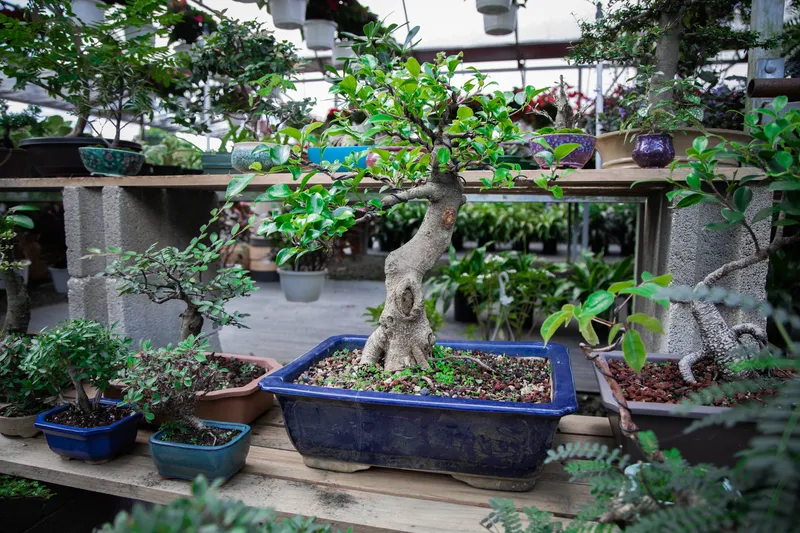
Bonsai trees have been a symbol of patience, devotion, and perseverance for centuries. The art of bonsai originated in China and was later perfected by the Japanese.
These miniature trees are grown in containers and trained to look like their full-sized counterparts. One such bonsai tree is the Bahama Berry Bonsai, which is native to subtropical regions such as Florida, The Bahamas, and Cuba.
The Bahama Berry is a slow-growing evergreen tree that can grow up to 15 feet tall in the wild. However, when grown as a bonsai tree, it can be kept small and compact.
Explanation Of Bahama Berry Bonsai
The Bahama Berry Bonsai is also known as ‘Nakedwood’ because it sheds its bark multiple times throughout the year. Its scientific name is Miconia calvescens, but it’s commonly referred to as ‘Bahama Berry.’ It has small glossy leaves that are dark green on top and light green underneath.
The tree produces clusters of tiny white flowers that later turn into berries that resemble blueberries. These berries are edible but have a bitter taste due to their high tannin content.
The Bahama Berry Bonsai is an excellent choice for beginner bonsai growers as it’s relatively easy to care for compared to other species. With proper care and maintenance techniques, this unique bonsai tree can thrive for many years.
Importance Of Proper Care
Proper care plays an essential role in maintaining healthy and beautiful Bahama Berry Bonsais. Without proper maintenance techniques such as pruning or wiring, your bonsais may not reach their full potential, causing them stress or even death.
Additionally, taking good care of your Bahama Berry Bonsai can help you develop patience, discipline, and responsibility. It’s a rewarding experience to see your bonsai thrive under your care and dedication.
Brief History Of Bonsai
Bonsai originated in China over a thousand years ago as a way of growing trees in containers for ornamental purposes. The art of bonsai was later perfected by the Japanese, who valued the practice as a way to express their culture’s ideals of simplicity, harmony, and balance.
The word ‘bonsai’ is derived from two Japanese words: ‘bon,’ which means tray or pot, and ‘sai,’ which means tree. Today, bonsais are grown all over the world and continue to be an essential part of Japanese culture.
Understanding the history and significance of Bahama Berry Bonsais can help you appreciate this unique species further. Taking proper care of your Bahama Berry Bonsais can be a fulfilling experience that will reward you for years to come.
Understanding Bahama Berry Bonsai Care
Climate Requirements: The Perfect Environment For A Bahama Berry Bonsai Tree
As with any bonsai tree, providing the right climate is crucial to the health and survival of your Bahama Berry Bonsai. This tree is native to the subtropical regions of the Americas, so it prefers warm and humid conditions.
A temperature range between 60-85°F (15-29°C), with humidity levels around 50%, is ideal for this species. It’s worth noting that even though the Bahama Berry Bonsai can tolerate some shade, it needs plenty of bright sunlight for optimal growth and fruiting.
Soil And Potting Requirements: Choosing The Right Medium
The soil mix you use will play a significant role in your Bahama Berry Bonsai’s health and growth. A well-draining mixture with good water retention capacity is needed to ensure that roots don’t rot from overwatering while staying hydrated enough to support healthy foliage growth. If you prefer a pre-made blend, equal parts organic potting soil, peat moss or compost, perlite or sand may do just fine.
When choosing a container/pot for your Bahama Berry Bonsai, keep in mind that it should be neither too small nor too large for its size. The pot should allow adequate space for root development while keeping moisture and nutrients readily available.
Watering And Fertilizing Techniques: Keep Your Tree Happy And Healthy
Watering can be tricky when caring for any bonsai tree but especially so with the Bahama Berry variety because they are susceptible to overwatering or underwatering issues. The best approach would be to check on moisture levels daily by sticking your finger into the soil; if it feels dry below one inch (2 cm), water your tree thoroughly until water runs out from the drainage holes at the bottom of the pot.
Fertilization is essential for Bahama Berry Bonsai because it promotes healthy fruit production and foliage growth. Use a balanced fertilizer containing nitrogen, phosphorus, and potassium; apply every two weeks during the growing season (early spring to late summer) by following its manufacturer’s instructions.
Pruning And Wiring Techniques: Shaping Your Bahama Berry Bonsai
Pruning and wiring are critical aspects of Bahama Berry Bonsai care as they help shape your tree’s overall appearance while promoting new growth. Prune during early spring before new shoots emerge, removing any dead or diseased branches along with those that disrupt the desired form.
Wiring is done to support branches or trunks and direct their growth in specific directions. Be careful when wiring not to damage delicate bark layers; you can use wire cutters or pliers to handle wires gently.
Maintenance Tips: Avoiding Common Mistakes
Overwatering is one of the most common mistakes when caring for Bahama Berry Bonsai. The roots cannot survive in waterlogged soil; instead, they will begin rotting due to a lack of oxygen.
Therefore, ensure proper draining by adding drainage holes at the bottom of your container/pot. Additionally, avoid exposing your tree to sudden temperature changes or extreme weather conditions such as frost, strong winds or scorching sun; this may cause severe damage to the plant.
Understanding what climate requirements are necessary for optimal health and development is essential when caring for a Bahama Berry Bonsai tree. Knowing how much sunlight it needs along with proper watering/fertilizing techniques can mean all the difference between a healthy thriving bonsai tree versus one that becomes sickly or dies from neglect.
Step-By-Step Guide To Bahama Berry Bonsai Care
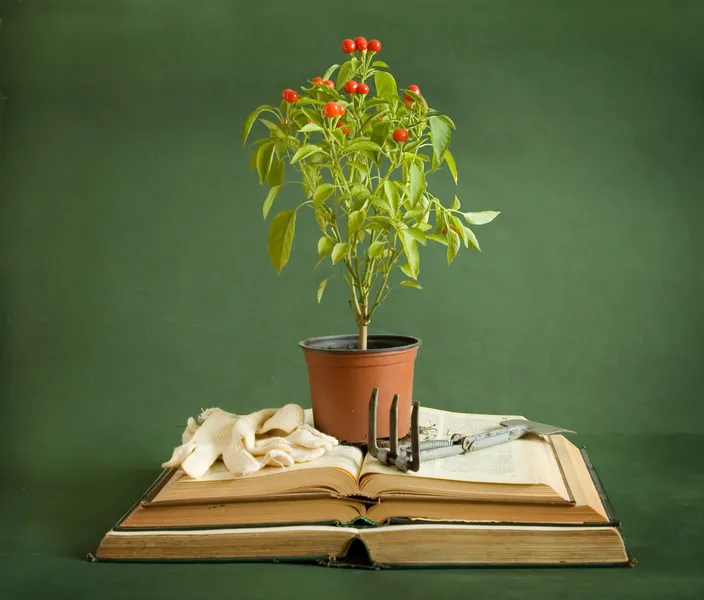
Choosing The Right Location For Your Bonsai
The location you choose for your Bahama Berry Bonsai is crucial to its health and growth. The tree requires plenty of sunlight, so it’s essential to place it in an area that receives a lot of direct sunlight. However, be sure not to expose it to harsh afternoon sun.
Placement should be carefully considered as well, as Bahama Berry Bonsai trees are sensitive to frost and chilly winds. Avoid placing your bonsai tree near doors or windows that are frequently opened during winter.
Indoor placement can also work for a Bahama Berry Bonsai, but ensure that it still receives bright light from a window or indoor plant light source. During hot summer days, ensure good air circulation in the room where you keep your bonsai by opening windows or using a fan.
Potting And Repotting Techniques
Potting is vital for proper growth and development of your Bahama Berry Bonsai tree. The pot should allow water drainage without clogging the roots while also being large enough for some expansion. Repotting should be done every 2-4 years depending on how fast the tree grows.
This process involves removing the bonsai from its current pot and replacing its soil with fresh suitable soil mixtures with nutrients necessary for healthy growth. To avoid damaging the roots, use high-quality tools such as bonsai shears or scissors when pruning and root trimming during repotting.
Watering Schedule And Fertilizing Tips
Bahama berry bonsais require consistent watering schedules dependent on their environment; however, overwatering could cause root rot while underwatering could lead to leaf wilting or dropping. When watering your bonsai tree, make sure there’s enough water to seep through the pot’s drainage holes before stopping. Watering should not be too frequent, nor should it be too scarce.
Fertilizing is also important to keep your Bahama Berry Bonsai tree healthy and robust. Fertilize with a balanced and diluted solution that is high in nitrogen during the growing season (spring and summer) and low nitrogen during dormancy (fall-winter).
Pruning, Wiring, And Shaping Your Bonsai
Pruning helps maintain the desired shape of your Bahama Berry Bonsai tree while also allowing light to enter its interior parts. You can prune leaves or branches that are yellowing, damaged, or overgrowing.
Be sure to sterilize tools between each cut of pruning. Wiring is used when shaping the bonsai tree into a desirable form as well as redirecting growth in preferred directions.
The wiring allows you to bend specific branches without breaking them; ensure you use suitable training wire sizes for resilience. Shaping involves trimming back older growths regularly as well as wiring young shoots into new positions for desired shaping.
By following these techniques carefully, your Bahama Berry Bonsai tree will impressively take on the shape you desire while still thriving healthily. Overall, caring for a Bahama Berry Bonsai takes time and patience but is also rewarding if done correctly with proper attention given when needed.
Common Problems With Bahama Berry Bonsai Care
Pests And Diseases To Watch Out For
Maintaining a healthy Bahama Berry Bonsai requires proper attention to detail as they are susceptible to many pests and diseases. Aphids, spider mites, and scale insects are common pests that can infest your bonsai tree.
These small insects feed off the sap of the leaves, causing them to turn yellow and fall off. A quick response is necessary as they can quickly spread throughout the bonsai.
To control these pests, use insecticidal soap or a neem oil solution. Fungal infections like root rot and leaf spot can be caused by overwatering or poor soil drainage.
Root rot affects the roots of the plant while leaf spot affects the leaves, causing them to develop dark spots that eventually lead to leaf drop. To treat fungal infections, remove affected parts of the plant and use a fungicide spray according to instructions.
Overwatering Or Underwatering Issues
The most common mistake in caring for Bahama Berry Bonsai is overwatering or underwatering them. Overwatering can lead to root rot while underwatering leads to dehydration resulting in dry foliage and eventual death of your bonsai tree. To prevent overwatering, ensure that your pot has adequate drainage holes at the bottom allowing water runoff when watering it thoroughly.
When watering your tree let all soil in its pot drain all excess water out of its pot before moving it back indoors or outside again. On the other hand, if you live in an area with low humidity levels it’s important not to let your bonsai dry out completely by watering it every few days especially during warmer months plan for regular checks on moisture levels in soil around roots for signs of dehydration such as wilting foliage.
Nutrient Deficiencies
Bonsai trees rely on the nutrients in the soil for their growth and survival. Nutrient deficiencies can result in weak foliage, stunted growth, and poor health. Bahama Berry Bonsai require a balanced fertilizer to maintain their health.
Nitrogen is essential to promote healthy foliage while phosphorus promotes flower production and root development. Potassium strengthens the tree’s immunity system and increases its tolerance to stress, cold weather, or changes in environment.
It is important that you follow a proper fertilizing plan to avoid over or under-fertilizing which can cause more harm than good. It’s recommended that you fertilize your bonsai every 4-6 weeks during the growing season from late spring to early fall with a balanced fertilizer such as 10-10-10 NPK.
Recap Of Key Points In Bahama Berry Bonsai Care Guide
Bahama Berry Bonsai trees require a warm climate with consistent temperatures between 65-80 degrees Fahrenheit. The soil should be well-draining with a pH range between 5.5-6.5, and the potting container should allow for proper drainage. Watering should be done regularly, ensuring not to overwater or underwater your bonsai tree while fertilizing should happen every four weeks during the growing season.
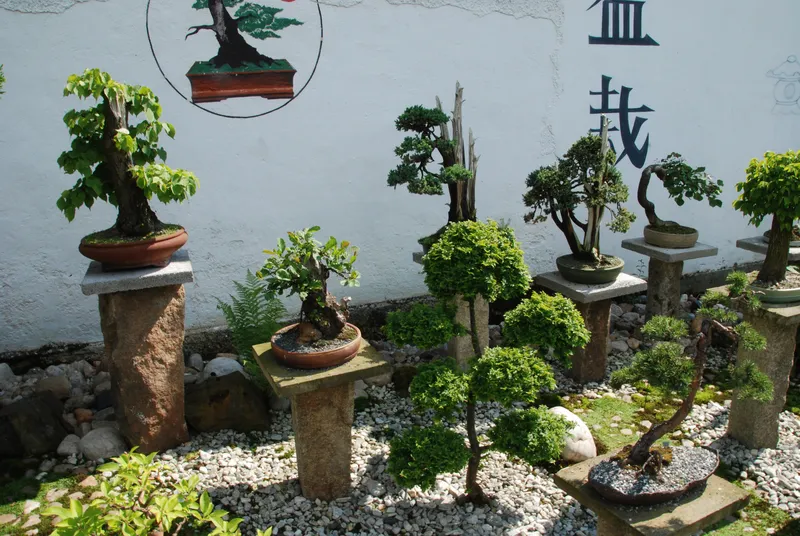
Pruning and wiring are essential techniques used in shaping and maintaining the overall appearance of your bonsai tree. Pruning promotes healthy growth by removing dead branches, while wiring helps shape your bonsai plant’s branches according to your desired design.
Tips For Maintaining A Healthy Bonsai Tree
To keep your Bahama Berry Bonsai healthy over time, you need to follow some basic care tips:
1) Ensure you are providing adequate sunlight
2) Water regularly but not excessively
3) Use proper soil mixtures
4) Fertilize every four weeks using an organic fertilizer
5) Prune properly by removing dead branches to promote new growth
6) Protect against pests by keeping an eye out for any signs of infestation.
Following these tips will ensure that you have a beautiful bahama berry bonsai tree for years to come.
Final Thoughts On The Beauty Of Caring For A Bahama Berry Bonsai Tree
While caring for a bahama berry bonsai can feel daunting at first, the reward is well worth the effort. It is a beautiful and meaningful addition to any home or garden that can last for generations if properly cared for. Watching your bonsai tree grow and develop over time is an experience like no other.
The art of bonsai can provide a sense of calm and relaxation, allowing you to connect with nature on a deeper level. Caring for a Bahama Berry Bonsai tree is not only about providing basic care requirements but also about nurturing a living piece of art that can bring joy and beauty into your life.
After reading this, check out our other articles on:
Frequently Asked Questions
Bahama Berry Bonsai trees require regular watering, bright but filtered light, occasional fertilization, and consistent pruning to maintain their shape and promote healthy growth.
Bahama Berry plants should be placed in well-draining soil, receive plenty of sunlight, and be watered regularly, while avoiding overwatering or letting the soil dry out completely.
Bahama Berry Bonsai should be watered deeply and thoroughly when the soil is slightly dry to the touch, which can range from once a week to multiple times a week depending on environmental factors.
Misting a Bahama Berry Bonsai every day is not necessary, but it can be helpful in providing humidity for the plant in dry conditions or during periods of low growth.
It is generally recommended to water bonsai from the top until the water begins to drain from the bottom of the pot, but occasionally bottom watering can be done by placing the pot in a container of water until the soil is moistened.