The Serissa Bonsai (snow rose) is a unique and delicate tree valued for its fine ramification, rough grey bark, and lovely flowers.
It requires careful care and attention to thrive. I’ll cover everything you need to know to keep your Serissa Bonsai healthy and vibrant.
Appearance of Serissa Bonsai
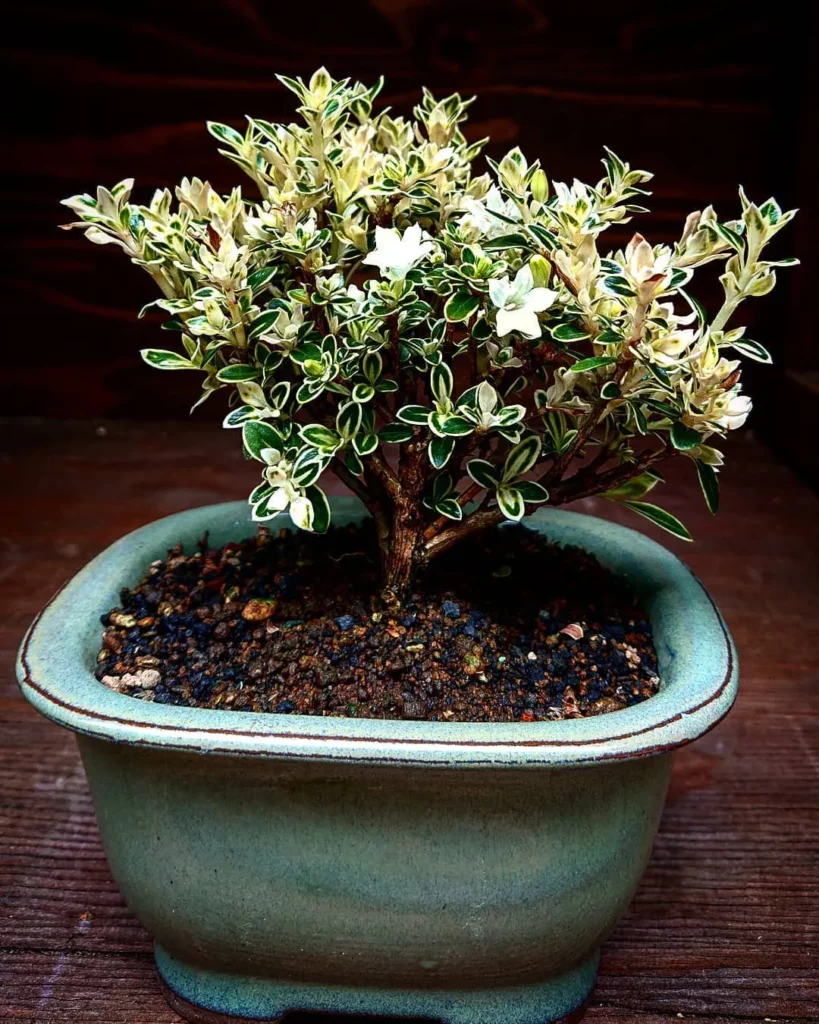


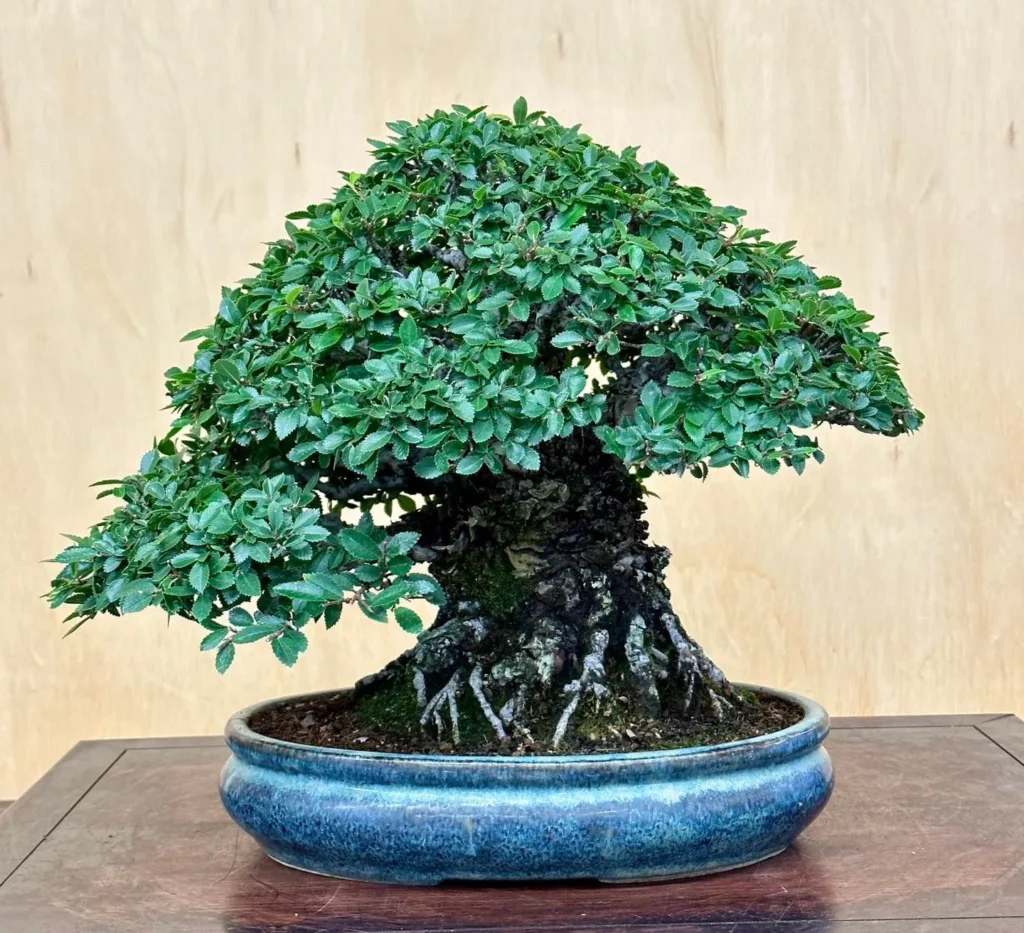
The Serissa Bonsai is a visually stunning tree with unique features that make it a popular choice among bonsai enthusiasts. Its small, shiny green leaves are oval in shape, giving the tree a delicate and elegant appearance.
The foliage is fine and compact, creating a well-ramified canopy that adds to the tree’s aesthetic appeal.
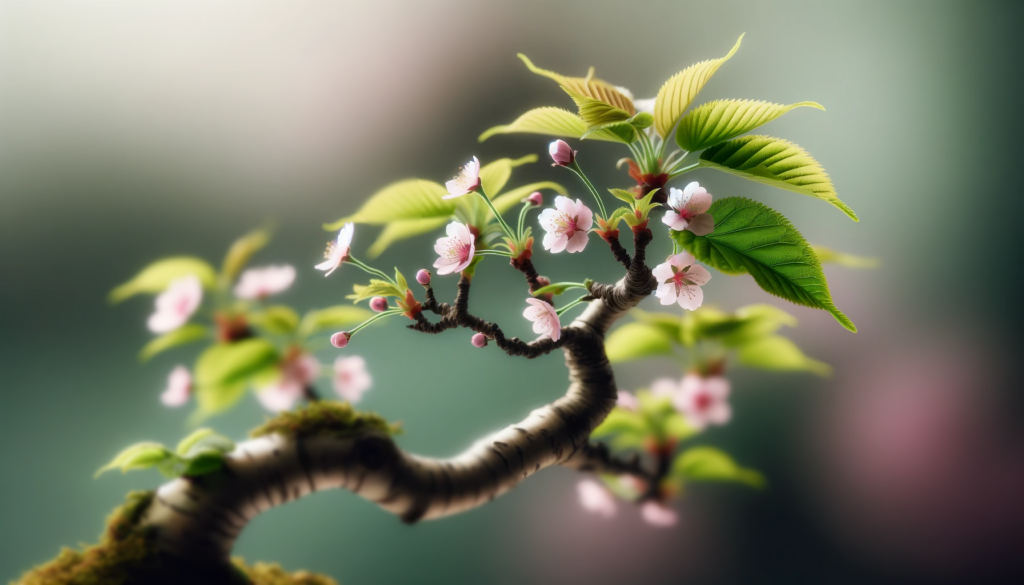
The Serissa Bonsai is also known for its beautiful flowers. The flowers are small, white, and funnel-shaped, adding a touch of elegance and charm to the tree. They appear sporadically from early spring to near autumn, adding bursts of color and visual interest.
| Feature | Description |
|---|---|
| Leaves | Small, shiny green, oval-shaped leaves |
| Flowers | Small, white, funnel-shaped flowers |
| Odor | Leaves and roots have an unpleasant smell if damaged |
Appearance/Features of Serissa Bonsai
- Small, shiny green, oval-shaped leaves
- Small, white, funnel-shaped flowers
- Leaves and roots have an unpleasant smell if damaged
Light Requirements for Serissa Bonsai


During the growing season, it is ideal to place the bonsai in a sunny, wind-protected area outdoors, as long as the night temperatures remain above 50°F (10°C).
This ensures that the tree receives enough sunlight for healthy growth. However, it is crucial to avoid exposing the bonsai to drastic temperature drops and unnecessary changes in its position, as these can negatively impact its overall health.
As autumn approaches and spring ends, it becomes necessary to move the Serissa Bonsai indoors. The tree must be placed in a house or a heated conservatory with temperatures ranging from 50°F (10°C) to 68°F (20°C).
It is important to note that the warmer the position, the more light the Serissa Bonsai requires.
In cases where natural light is insufficient, the use of grow lights can help provide the necessary light intensity for the bonsai’s well-being.
Indoor Care
Placing the bonsai near a south-facing window can provide ample sunlight. Monitor the temperature and make adjustments as needed to keep the bonsai within the recommended range.
| Light Requirements | Placement | Indoor Care |
|---|---|---|
| Sunny, wind-protected area outdoors | South-facing window for indoor care | Temperature range: 50°F (10°C) to 68°F (20°C) |
| Avoid drastic temperature drops | Use grow lights when natural light is insufficient | Monitor temperature and adjust as needed |
Watering Serissa Bonsai

It is important to keep the rootball moist at all times, but be careful not to overwater the tree. The Serissa Bonsai should never be allowed to dry out completely, as this can lead to stress and damage.
To ensure the right amount of moisture, it is recommended to monitor the soil regularly and water accordingly.
When watering your Serissa Bonsai, it is best to use lime-free water with a neutral pH (7). This will help maintain the ideal growing conditions for the tree. It is a good practice to frequently spray the foliage with lime-free water, especially when there are no flowers on the tree. This helps increase humidity and promotes overall health.
Watering Tips for Serissa Bonsai:
- Check the moisture level of the soil regularly using a moisture meter or by inserting your finger about an inch into the soil. If it feels dry, it’s time to water.
- Water the tree thoroughly until water drains out of the drainage holes in the pot. This ensures that the entire rootball is properly hydrated.
- During hot summer months, the Serissa Bonsai may require more frequent watering due to increased evaporation. Adjust your watering schedule accordingly.
- During the winter months, reduce the amount of water given to prevent waterlogged soil and root rot. However, ensure that the soil does not become completely dry.
| Signs of Overwatering: | Signs of Underwatering: |
|---|---|
| – Yellowing and wilting leaves | – Drooping, shriveled leaves |
| – Fungus growth on the soil surface | – Dry and crispy leaves |
| – Root rot and foul odor | – Soil pulling away from the edges of the pot |
Fertilizing Serissa Bonsai

Fertilizing is an essential aspect of caring for your Serissa Bonsai. It provides the necessary nutrients to support its growth, flowering, and overall health.
To ensure the well-being of your bonsai tree, follow these guidelines for fertilizing:
Types of Fertilizer:
- Organic fertilizer: Apply a small amount of solid organic fertilizer every four weeks during the growing season. Choose a fertilizer with a balanced N-P-K ratio to provide a well-rounded nutrient supply.
- Liquid fertilizer: You can use a low concentration liquid fertilizer once a week. This allows for a more frequent supply of nutrients to the tree.
Fertilizing Schedule:
During the growing season, which is typically from spring to autumn, focus on fertilizing your Serissa Bonsai regularly. This will support its active growth and flowering. In winter, when the tree is in a dormant state, reduce the frequency of fertilization to once a month, using a low dose of liquid fertilizer.
Serissa Bonsai Potting and Repotting Guide

As the Serissa Bonsai tree grows, it needs to be transferred to a larger pot to accommodate its expanding root system and provide necessary nutrients. Repotting also helps refresh the soil and improves the overall health of the bonsai. Here are some important considerations for potting and repotting your Serissa Bonsai:
Choosing the Right Pot and Soil
When selecting a pot for your Serissa Bonsai, opt for a shallow container that allows proper drainage. The pot should be slightly larger than the tree’s current root system. As for the soil, use a well-draining bonsai mix rich in organic matter. This will ensure adequate moisture retention while preventing waterlogging, which can lead to root rot.
Repotting Frequency
Serissa Bonsai trees should be repotted every two years to maintain their health and promote growth. Repotting during the spring, before the growing season, is recommended. However, if you notice that the roots have significantly outgrown the current pot or the soil has become compacted, repotting can be done sooner. Always assess the tree’s condition before deciding to repot.
Repotting Process
When repotting your Serissa Bonsai, carefully remove it from the current pot, gently untangle the roots, and prune any excessively long or tangled roots. Be cautious, as the roots of this tree have an unpleasant odor when cut. Place a layer of fresh bonsai soil in the new pot and position the tree in the center. Fill the remaining space with the soil, making sure to press it gently and remove any air pockets.
Propagation of Serissa Bonsai
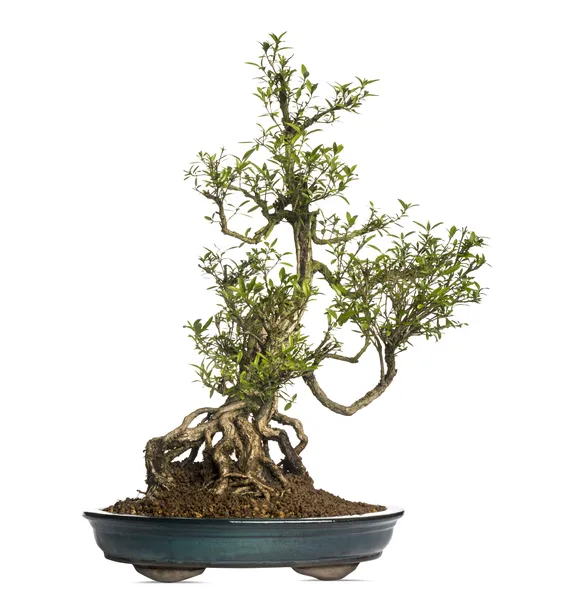
If you’re interested in expanding your collection of Serissa Bonsai, propagation is a great way to do so. Serissa Bonsai can be easily propagated from semi-hardwood cuttings, allowing you to create new trees from existing ones. Here’s a step-by-step guide on how to propagate Serissa Bonsai:
- Select a healthy, slightly lignified branch from the parent tree during early summer.
- Cut a section of the branch, around 4-6 inches long, just below a node.
- Remove the lower leaves of the cutting, leaving a few leaves at the top.
- Prepare a rooting medium by using a mix of vermiculite, perlite, and peat moss.
- Dip the cut end of the cutting in a rooting hormone powder to promote rooting.
- Insert the cutting into the rooting medium, making sure it’s planted deep enough to support stability.
- Place the pot in a warm and humid environment, ideally with bottom heat.
- Keep the soil moist but not waterlogged, misting the cutting regularly to maintain humidity.
- After a few weeks, check for signs of new growth, indicating successful rooting.
- Once the cutting has developed a strong root system, it can be potted into a bonsai container.
| Propagation Method | Timeframe | Success Rate |
|---|---|---|
| Semi-hardwood Cuttings | 4-8 weeks for rooting, 1-2 years for bonsai development | High |
| Air Layering | 8-12 weeks for rooting, 1-2 years for bonsai development | Moderate |
| Seed Propagation | Variable, can take several years for bonsai development | Moderate |
Pruning and Wiring Serissa Bonsai
Pruning and wiring are essential techniques for shaping and training your Serissa Bonsai tree. Pruning helps maintain the desired shape and encourages growth, while wiring allows you to position branches and create a visually appealing bonsai. Here are some key points to keep in mind when pruning and wiring your Serissa Bonsai:
Pruning:
- Prune the tree in early spring, especially if necessary to maintain the desired shape.
- For young trees, trim back the shoots to 2 leaves when they have produced 4-5 leaves.
- For older trees, perform a thorough pruning after flowering to encourage new growth.
- Remember, Serissa Bonsai trees tolerate hard pruning, so don’t be afraid to trim them back.
Wiring:
- Wiring can be done at any time, but it’s important to handle the delicate branches and shoots with care.
- Use aluminum or copper wire to wrap around the branches and gently shape them into the desired position.
- Be cautious not to apply too much pressure, as it may damage the delicate bark of the tree.
- Remove the wire after approximately six months to prevent it from cutting into the bark.
By combining these pruning and wiring techniques, you can create unique and visually striking designs with your Serissa Bonsai. Remember to exercise patience and observe the growth patterns of your tree to make informed decisions about when and how to prune and wire.
| Pruning Tips | Wiring Tips |
|---|---|
| Trim back shoots to 2 leaves for young trees | Use aluminum or copper wire |
| Perform thorough pruning after flowering for older trees | Gently shape branches into desired position |
| Tolerates hard pruning for shaping | Handle branches with care to avoid damage |
| Remove wire after approximately six months |
Pests and Diseases of Serissa Bonsai
While the Serissa Bonsai is a beautiful tree to have in your collection, it is susceptible to certain pests and diseases that can hinder its growth and overall health. Understanding these issues and knowing how to effectively control them is crucial for the well-being of your Serissa Bonsai.
Pests
The most common pests that can affect the Serissa Bonsai include aphids, root aphids, and spider mites. These pests can cause damage to the leaves, stems, and roots of the tree if not addressed promptly. To control aphids and spider mites, you can use specific pesticides that are designed to target these pests. Additionally, increasing humidity levels around the tree can create unfavorable conditions for their growth.
Diseases
One of the main diseases that can affect the Serissa Bonsai is root rot. This condition is usually caused by overwatering or poor soil conditions that lead to excessive moisture around the root system. To treat root rot, it is important to repot the tree using well-draining soil, remove any damaged roots, and ensure proper watering practices going forward.
Pest Control
To effectively control pests and diseases on your Serissa Bonsai, it is crucial to maintain a proactive approach. Regularly inspect your tree for signs of infestation or disease, such as yellowing leaves, wilting, or unusual spots. If you notice any issues, take immediate action to prevent further damage. Additionally, practicing good bonsai care techniques, such as proper watering, fertilizing, and pruning, can help keep your Serissa Bonsai healthy and more resistant to pests and diseases.
| Pest/Disease | Symptoms | Treatment |
|---|---|---|
| Aphids | Yellowing leaves, sticky residue on leaves | Use specific pesticides; increase humidity |
| Root Aphids | Stunted growth, yellowing leaves, wilting | Use specific pesticides; increase humidity |
| Spider Mites | Webbing on leaves, yellowing, and browning | Use specific pesticides; increase humidity |
| Root Rot | Yellowing leaves, wilting, foul odor | Repot with well-draining soil, remove damaged roots, proper watering |
Conclusion
Remember to consider the light requirements of your Serissa Bonsai, placing it in a suitable location throughout the year. Proper watering is crucial, as the tree thrives when its rootball remains moist but not overly saturated. Fertilizing regularly with a balanced N-P-K fertilizer will support its growth and flowering.
Pruning and wiring are important techniques to shape and train your Serissa Bonsai. Be mindful of its delicate branches and shoots, practicing careful pruning and removing wiring after approximately six months. Regular repotting with a well-draining soil mix will promote healthy growth and development.
FAQ
What does the Serissa Bonsai look like?
The Serissa Bonsai has small, shiny green leaves that are oval in shape. It also produces small, white, funnel-shaped flowers.
Where should I place my Serissa Bonsai?
During the growing season, the Serissa Bonsai prefers a sunny, wind-protected place outside as long as the night temperatures stay above 50°F (10°C). From autumn to spring, it should be placed indoors or in a heated conservatory with temperatures between 50°F (10°C) and 68°F (20°C).
How often should I water my Serissa Bonsai?
It is important to keep the rootball of the Serissa Bonsai moist at all times, but be careful not to overwater it. The tree must never be allowed to dry out completely.
How often should I fertilize my Serissa Bonsai?
The Serissa Bonsai should be fertilized regularly. Apply a small amount of solid organic fertilizer every four weeks during the growing season or use a low concentration liquid fertilizer every week.
When should I repot my Serissa Bonsai?
The Serissa Bonsai should be repotted every two years using a standard soil mix. Moderate root pruning should also be done during repotting.
How can I propagate my Serissa Bonsai?
The Serissa Bonsai can be easily propagated from semi-hardwood cuttings. Take cuttings from slightly lignified branches during early summer and place them in water or directly in soil.
How should I prune and wire my Serissa Bonsai?
The Serissa Bonsai tolerates hard pruning and should be pruned in early spring if necessary. Wiring can be done at any time, but the branches and shoots are delicate and should be wired with great care.
How can I support the growth and development of my Serissa Bonsai?
Regular pruning, wiring, and repotting are necessary to maintain the desired tree shape and keep the tree compact. The Serissa Bonsai tends to sprout from old wood and will continue to grow and develop beautifully with proper care.
What pests and diseases can affect my Serissa Bonsai?
The Serissa Bonsai can be attacked by pests such as aphids, root aphids, and spider mites. It can also suffer from root rot caused by overwatering or poor soil conditions.