Lichen is a fascinating organism that defies categorization as a plant, as it is actually a symbiotic combination of a fungus and an alga or a cyanobacterium. With its ability to adapt and thrive across every continent, lichen comes in a wide array of colors and shapes. It can be found on various surfaces, including rocks, the ground, trees, tombstones, and statues.
What Is Lichen?

One remarkable characteristic of lichen is its resilience, often being the first type of organism to emerge after a natural disaster. It can withstand harsh environmental conditions, making it a survivor in the harshest landscapes. Lichen does not have roots like plants but instead attaches to the surface of the bark to establish its presence.
Why Does Lichen Grow on Trees?
Lichen is often seen growing on trees that are already in decline. It has a preference for sunny spots exposed to rain, as it thrives in environments with ample sunlight and moisture. The appearance of lichen on a tree is often an indicator of an underlying issue with the tree’s health.
If a tree has experienced a sudden loss of leaves or a branch, it creates favorable conditions for lichen growth. However, it is important to note that lichen itself does not cause the decline of a tree. Instead, it serves as a warning sign of potential problems such as pests, diseases, or improper watering practices.
- Lichen prefers sunny spots exposed to rain.
- A sudden loss of leaves or a branch can create favorable conditions for lichen growth.
- Lichen growth on a tree indicates an underlying issue with the tree’s health.
Does Lichen Harm the Tree?
Lichen, despite its presence on bonsai trees, does not harm the tree itself. It is a self-sustaining organism that obtains its nutrients from rain and the surrounding air, not from the tree. Lichen attaches to the surface of the bark and does not have roots that penetrate the tree’s tissues.
It is important to understand that lichen is not the cause of any decline in a tree’s health. Instead, it can serve as an indicator of underlying issues with tree health, such as pests, diseases, or improper watering practices. Lichen may grow on trees that are already in decline, but it does not actively contribute to the decline itself.
Therefore, if you have lichen growing on your bonsai tree, it is not necessary to remove it unless it is causing significant aesthetic concerns. Removing lichen can potentially harm the tree by damaging the bark and creating entry points for diseases and pests.
Key Points:
- Lichen does not harm bonsai trees and obtains its nutrients from rain and the surrounding air.
- Lichen attaches to the surface of the bark and does not have roots that penetrate the tree’s tissues.
- Lichen on a bonsai tree is an indication of underlying issues with tree health, rather than a direct cause of decline.
- Removing lichen can damage the tree’s bark and provide entryways for diseases and pests, so it is generally unnecessary unless for aesthetic reasons.
The Benefits of Lichen
Despite being unsightly to some, lichen actually offers several benefits.
- Lichen serves as a natural air quality indicator and thrives in clean air. It absorbs pollutants from the environment, helping to improve air quality for both humans and other organisms.
- Through a process called photosynthesis, lichen converts carbon dioxide to oxygen. This contributes to the overall oxygen levels in the surrounding ecosystem.
- Lichen has been used for various purposes throughout history. It has been used as a natural dye, creating vibrant colors for textiles and artwork.
- In addition to dyes, lichen has been used in the production of clothing, particularly for insulation and waterproofing.
- Lichen’s unique appearance and texture make it a popular choice for decorative purposes, both indoors and outdoors.
- Some species of lichen have been found to possess antibacterial and antibiotic properties. They have been used in traditional medicine for treating various ailments.
Lichen vs. Moss

Many people often confuse lichen and moss, but they are actually different organisms with distinct characteristics. While they may appear similar and are often found in close proximity to each other, there are key differences that set them apart.
Environmental Preferences
- Moss: Moss tends to prefer shade and damp environments. It thrives in areas with high moisture levels, such as forests, damp soil, and shaded areas of gardens.
- Lichen: On the other hand, lichen thrives in sunny spots with exposure to rain. It can grow on a variety of surfaces, including rocks, trees, and even tombstones. Lichen is often found in open areas and can tolerate harsher environmental conditions.
Structure and Composition
- Moss: Moss is a type of small, non-vascular plant that reproduces through spores. It typically forms dense, carpet-like mats and has distinct leafy structures.
- Lichen: Lichen, on the other hand, is not a plant but a symbiotic combination of a fungus and algae or cyanobacteria. It can come in a variety of forms, such as crust-like patches or branching structures. Lichen does not have roots and attaches itself to the surface it grows on.
Common Misconceptions
It’s important to note that some common names, like “reindeer moss” or “caribou moss,” are actually misnomers. These names refer to lichens, not mosses. The confusion arises due to the moss-like appearance of certain lichen species.
Understanding the distinctions between lichen and moss can help you correctly identify and manage lichen growth on your bonsai trees. While lichen and moss may coexist, it’s essential to address specific care practices for each organism to maintain the health and aesthetics of your bonsai environment.
Should Lichen Be Removed From a Tree?
When it comes to lichen on your bonsai tree, there is usually no need to remove it unless it is significantly affecting the tree’s aesthetics. While lichen may not be visually appealing to some enthusiasts, it does not pose any direct harm to the tree itself. In fact, lichen is a unique organism that plays a role in the ecosystem and offers some benefits.
However, it’s important to note that attempting to remove lichen from a tree can potentially cause more harm than good. The process of removing lichen can damage the bark, creating entry points for diseases and pests. Instead of focusing on lichen removal, it is more beneficial to prioritize the overall health and care of your bonsai tree.
To manage lichen growth, it is essential to practice proper care techniques. By maintaining the health of your bonsai tree through regular watering, appropriate fertilization, and pruning, you can create an environment that is less favorable for lichen to thrive. Prevention is key in managing lichen growth, so investing time and effort into the well-being of your bonsai tree will go a long way in preventing the appearance of lichen.
Understanding Surface Roots and Lichen
Surface roots, known as nebari in Japanese, play a crucial role in the growth and development of bonsai trees. These roots not only anchor the bonsai in its growing medium but also serve as a means for the tree to interact with the soil and absorb necessary nutrients. The appearance of surface roots can vary depending on the species of the tree, adding to the unique character and charm of the bonsai.
It is important to note that not all bonsai trees will have prominent surface roots. Some species, such as junipers, naturally have more concealed or minimal surface roots due to their growth patterns and environmental conditions.
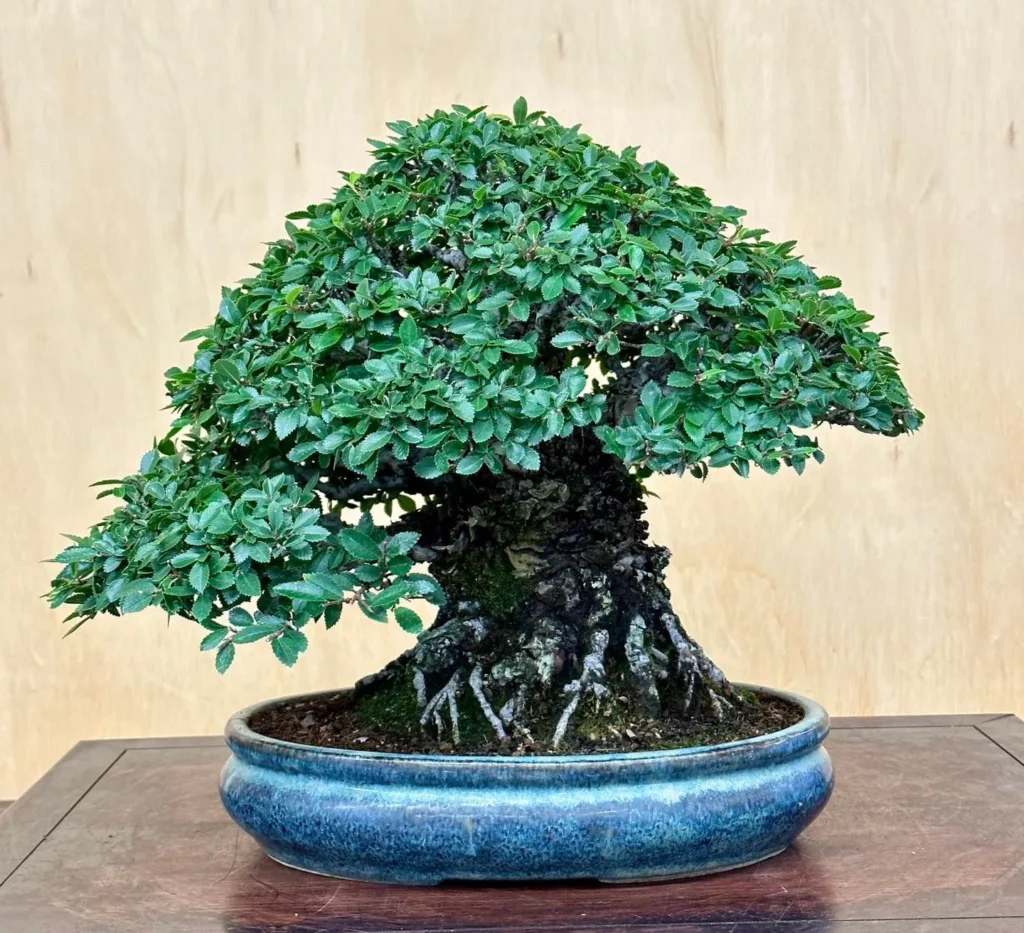
Lichen, a symbiotic organism, can often be found growing on the surface roots of bonsai trees. This natural occurrence gives the bonsai a sense of age and character. Lichen, despite its appearance, does not harm the tree or its surface roots. Instead, it adds to the aesthetic appeal and overall charm of the bonsai.
The Importance of Surface Roots on Deciduous Bonsai

Surface roots play a crucial role in the development of deciduous bonsai trees, contributing to both the structural integrity and the visual appeal of the tree. These roots are particularly significant in creating the initial taper of the trunk and adding a sense of age and character to the bonsai.
Compared to conifers, developing surface roots on deciduous bonsai is generally easier. The presence of surface roots enhances the authenticity of the bonsai, mimicking the way trees grow in their natural environment. They create a harmonious relationship between the tree and its surrounding space, giving a more natural and pleasing aesthetic.
The appearance of surface roots can vary depending on the species of deciduous tree. Some species, such as maples and elms, are known for their impressive surface root systems. The intertwining roots peeking through the soil exude a sense of resilience and strength. On the other hand, species like beech and hornbeam offer a more delicate and intricate network of surface roots.
The visual impact of surface roots on deciduous bonsai cannot be overstated. They draw attention, provide a visual anchor, and establish a strong connection between the tree and its environment. Surface roots add depth and complexity to the overall composition, making the bonsai more captivating and engaging.
Why Surface Roots Matter:
- Contribute to the initial taper and trunk development
- Add age and character to the bonsai
- Create a natural and visually appealing aesthetic
- Mimic how trees grow in their natural environment
- Establish a strong connection between the tree and its surroundings
- Enhance the overall composition and visual impact of the bonsai
Care Tips for Lichen on Bonsai
To effectively manage lichen on your bonsai tree, the key lies in prevention. By prioritizing the overall health of your bonsai through proper care techniques, you can minimize the conditions that favor lichen growth and ensure the longevity of your tree.
1. Maintain Optimal Tree Health:
- Ensure your bonsai receives proper watering, providing just the right amount of moisture without over-saturation.
- Implement regular fertilization based on the specific needs of your bonsai tree to enhance its overall vitality.
- Regularly prune and trim your bonsai to promote healthy growth and eliminate any dead or weakened branches.
2. Avoid Lichen Removal:
Although lichen on bonsai trees may be visually displeasing to some, it is important to resist the urge to remove it. Attempting to remove lichen can cause damage to the delicate bark of the bonsai, potentially creating entry points for diseases and pests.
3. Seek Professional Guidance:
If you have concerns about the health of your bonsai tree or the growth of lichen, it is advisable to consult with a certified arborist. They can assess the tree’s condition, identify any underlying issues, and provide appropriate treatment if required.
Expert Insights: Growing Bonsai with Lichen

When it comes to growing bonsai with lichen, experienced bonsai enthusiasts have varying insights and recommendations. Here are some expert tips to consider:
- Keep the topsoil moist: Bonsai trees with lichen benefit from consistent moisture in the topsoil. Avoid allowing the soil to dry out completely, as this can affect the overall health of the tree.
- Avoid complete defoliation: While lichen does not harm the bonsai tree, it is important to avoid completely defoliating the tree. Partial defoliation is preferable to ensure the tree maintains its vitality.
- Protect from intense heat: Bonsai trees with lichen may be sensitive to extreme heat conditions. It is advisable to provide shade or protection from direct sunlight during hot summer months or in areas with high temperatures.
Wrapping Up
Instead of removing lichen, it is recommended to focus on maintaining a healthy tree through proper care techniques. This includes regular watering, appropriate fertilization, and consistent pruning. By creating an optimal environment for your bonsai tree, you can help prevent the growth of lichen and ensure its overall well-being.
If you have concerns about the health of your bonsai tree or the growth of lichen, it is always advisable to seek professional advice. Certified arborists can assess the tree’s condition and provide appropriate guidance and treatment if needed. Remember, the key to successful bonsai cultivation is a proactive approach to tree care and maintenance.
After this check out our other articles on:
FAQ
What is lichen?
Lichen is a symbiotic organism that is a combination of a fungus and an alga or a cyanobacterium. It can be found on trees, rocks, and other surfaces and comes in a variety of colors and shapes.
Why does lichen grow on trees?
Lichen tends to appear on trees that are already in decline. It prefers sunlight and moisture, so it thrives in sunny spots that are exposed to rain. If a tree has experienced a sudden loss of leaves or a branch, it creates favorable conditions for lichen growth.
Does lichen harm the tree?
No, lichen does not harm the tree it grows on. It does not take any nutrients from the tree but rather gets all its nutrients from rain and the surrounding air. Lichen itself is not the cause of any decline in a tree’s health.
What are the benefits of lichen?
Lichen serves as a natural air quality indicator and absorbs pollutants from the environment. It also converts carbon dioxide to oxygen. Additionally, lichen has been used for various purposes throughout history and provides a food source for many wildlife species.
How is lichen different from moss?
Lichen and moss are different organisms. Moss prefers shade, while lichen thrives in sunny spots. Understanding these distinctions can help in correctly identifying and managing lichen on bonsai trees.
Should lichen be removed from a tree?
There is no need to remove lichen from a tree unless it is causing significant aesthetic concerns. Removing lichen can potentially harm the tree by damaging the bark and providing entryways for diseases and pests.
What are surface roots and their importance in bonsai?
Surface roots, also known as nebari, play an essential role in bonsai trees. They secure the bonsai in its growing medium and allow the tree to interact with the soil for necessary nutrients. They greatly enhance the overall beauty of the bonsai tree.
Why are surface roots important for deciduous bonsai?
Surface roots contribute to the initial taper of the trunk and add to the overall aesthetic appeal of deciduous bonsai trees. Developing surface roots on deciduous trees is generally easier compared to conifers.
How do I care for lichen on bonsai?
The best approach to managing lichen on bonsai is prevention. Maintain the overall health of your bonsai tree through proper care practices such as watering, fertilization, and pruning. Preventing its appearance is key.
What do experts say about growing bonsai with lichen?
Bonsai enthusiasts have varying experiences when it comes to growing bonsai with lichen. Some recommend keeping the topsoil moist, avoiding complete defoliation, and protecting the bonsai from intense heat. Monitor the overall health of your bonsai tree and address any underlying issues.
Any closing thoughts on lichen management?
Lichen, with its unique characteristics and symbiotic nature, can add age and character to bonsai trees. Understanding its role and implications on tree health is important. Instead of removing lichen, focus on maintaining a healthy tree and seek professional advice if needed.