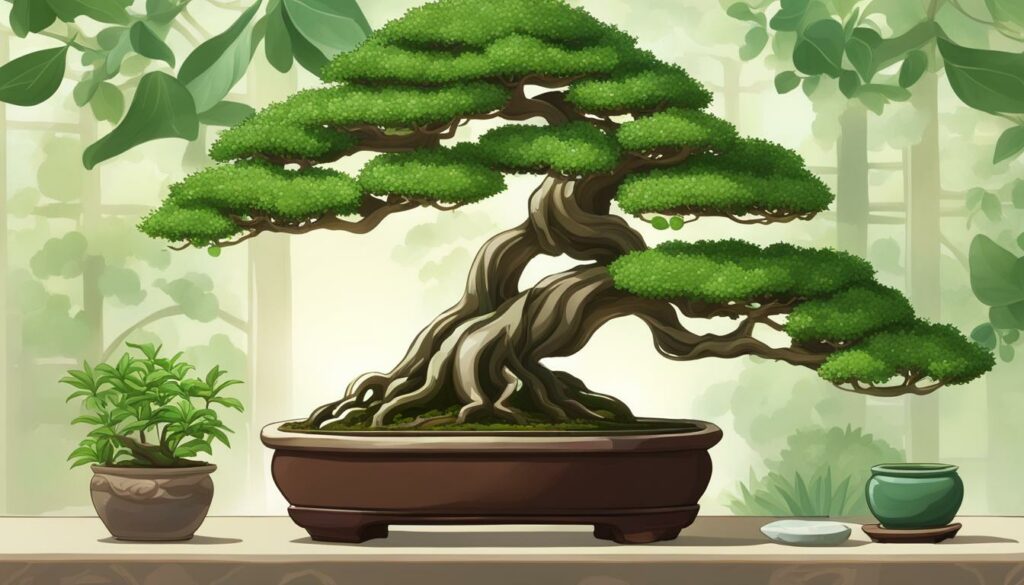
Jade Bonsai is a beautiful and popular type of bonsai for indoor plant enthusiasts. It is also known as the “Money Tree” due to its leaves’ shape, which resembles coins. Jade Bonsai is a hardy plant that can survive in dry conditions, making it an ideal choice for beginners.
Jade Bonsai Genus Species
Jade Bonsai (Crassula ovata) is a succulent plant that belongs to the Crassulaceae family. This tree species has thick oval-shaped leaves with a glossy surface that grows in opposite pairs.
The green or brown stems are thickened at the base with fibrous roots. Jade plants can grow up to 3 feet tall when grown outdoors but typically remain around six inches tall when grown indoors as bonsais.
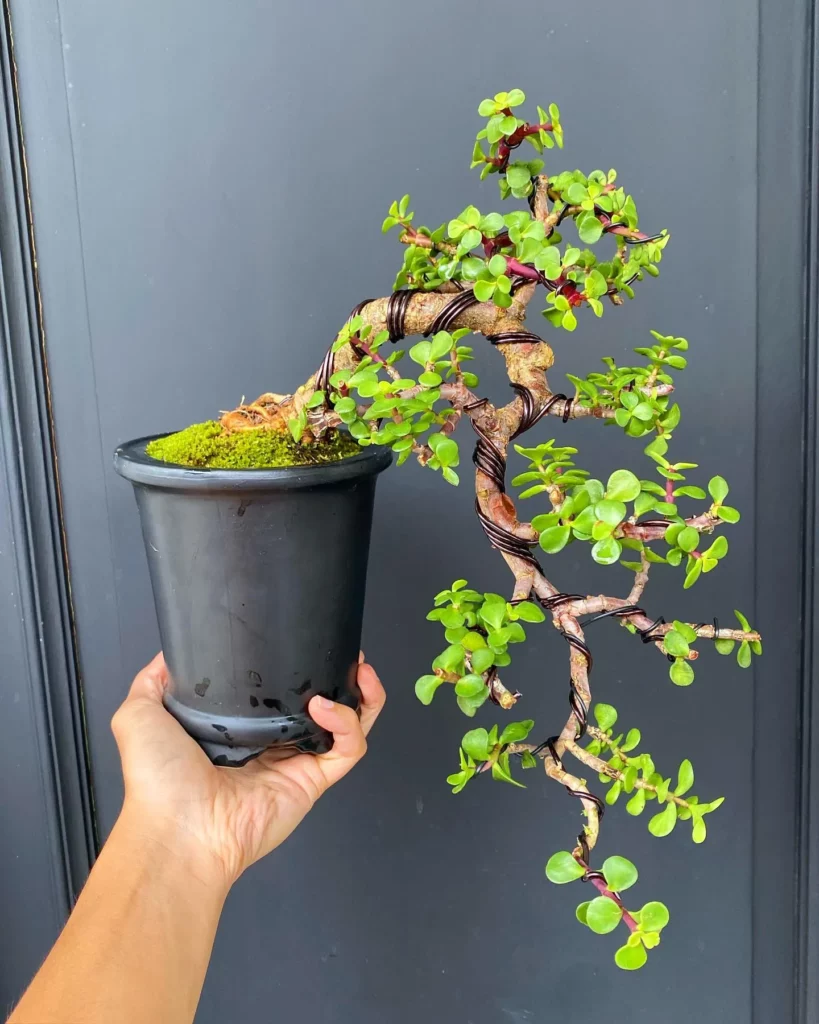
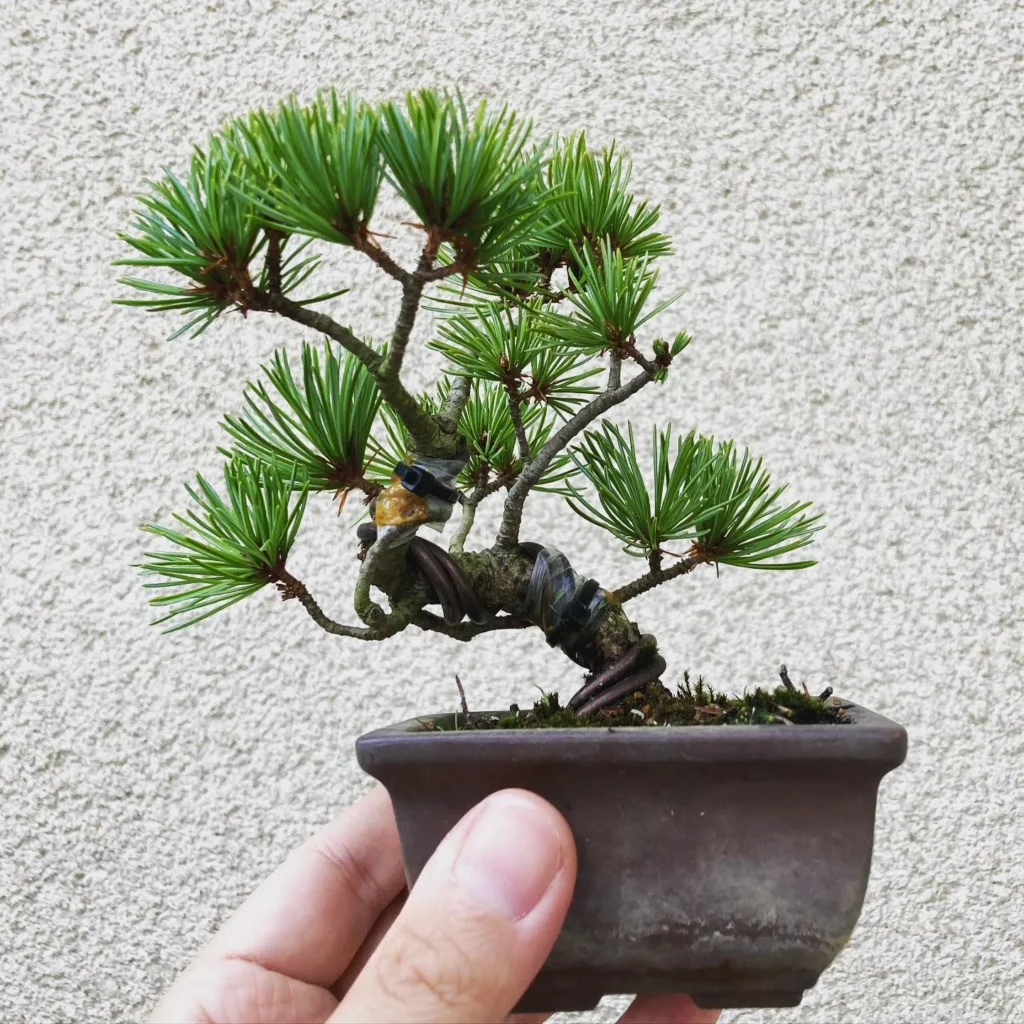
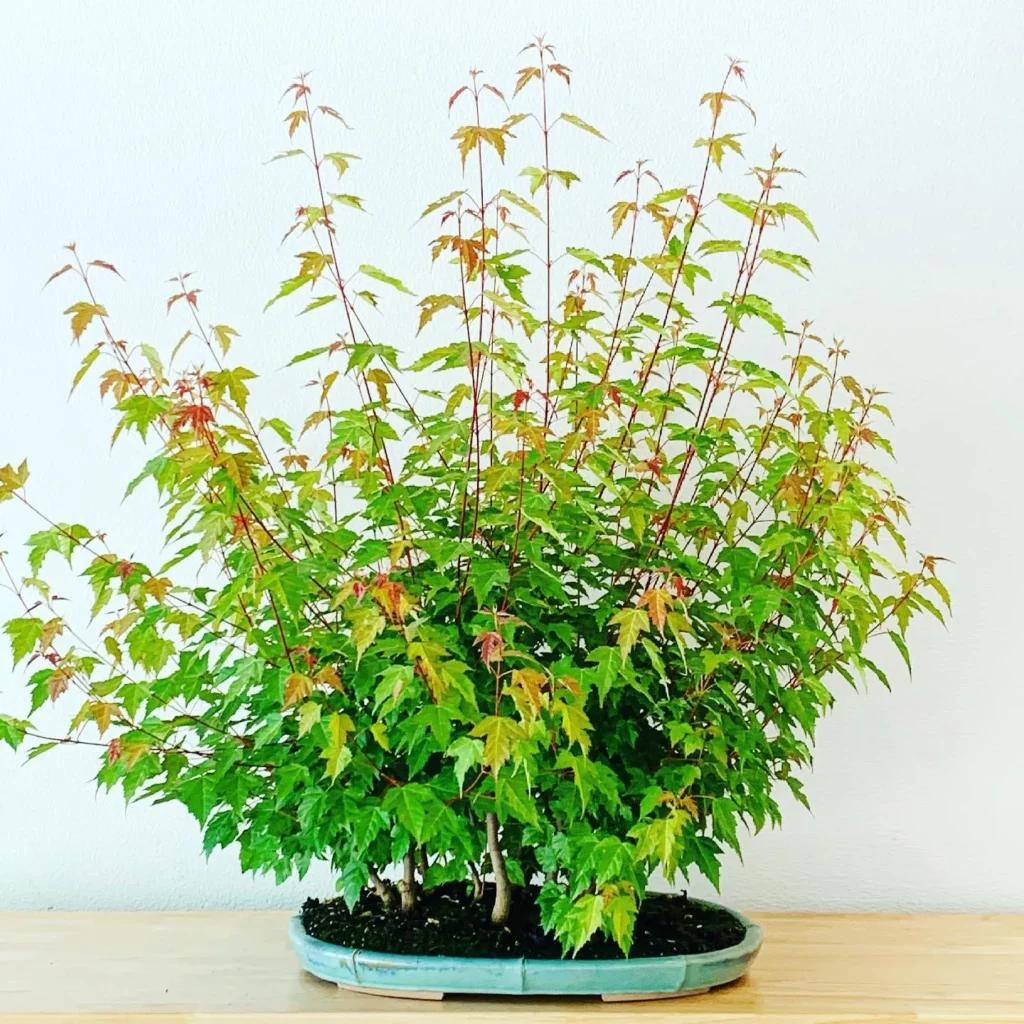
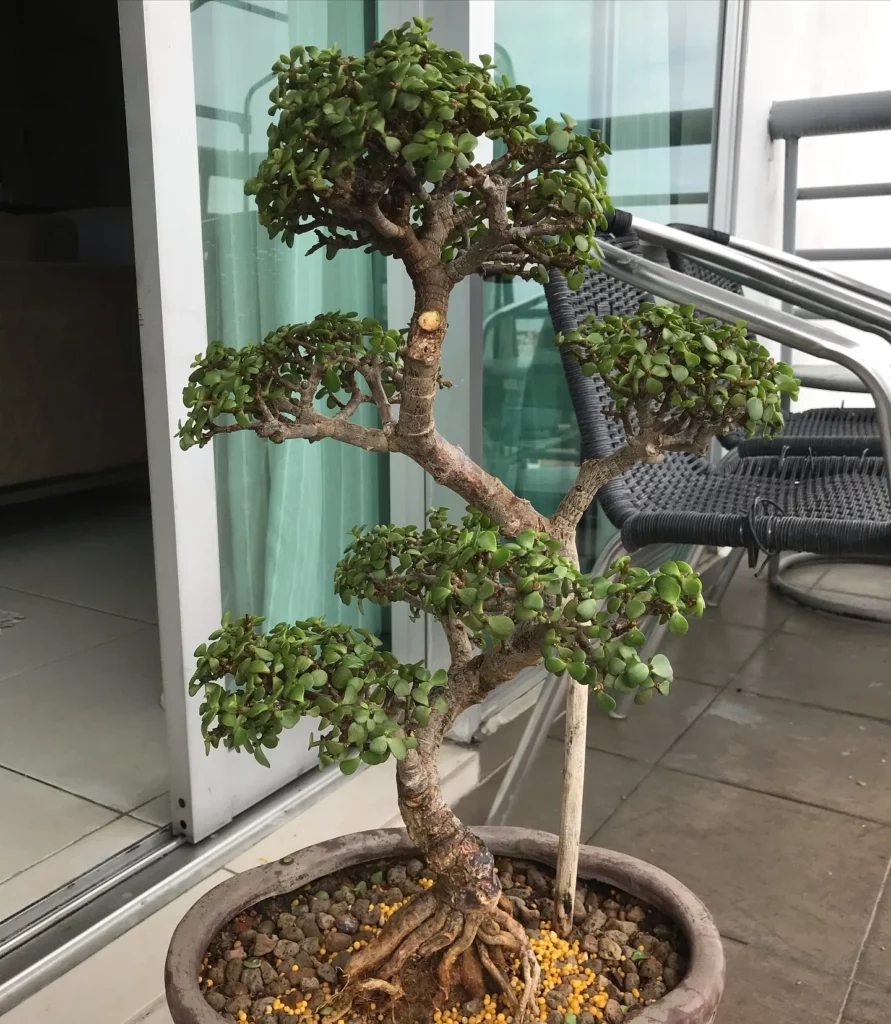
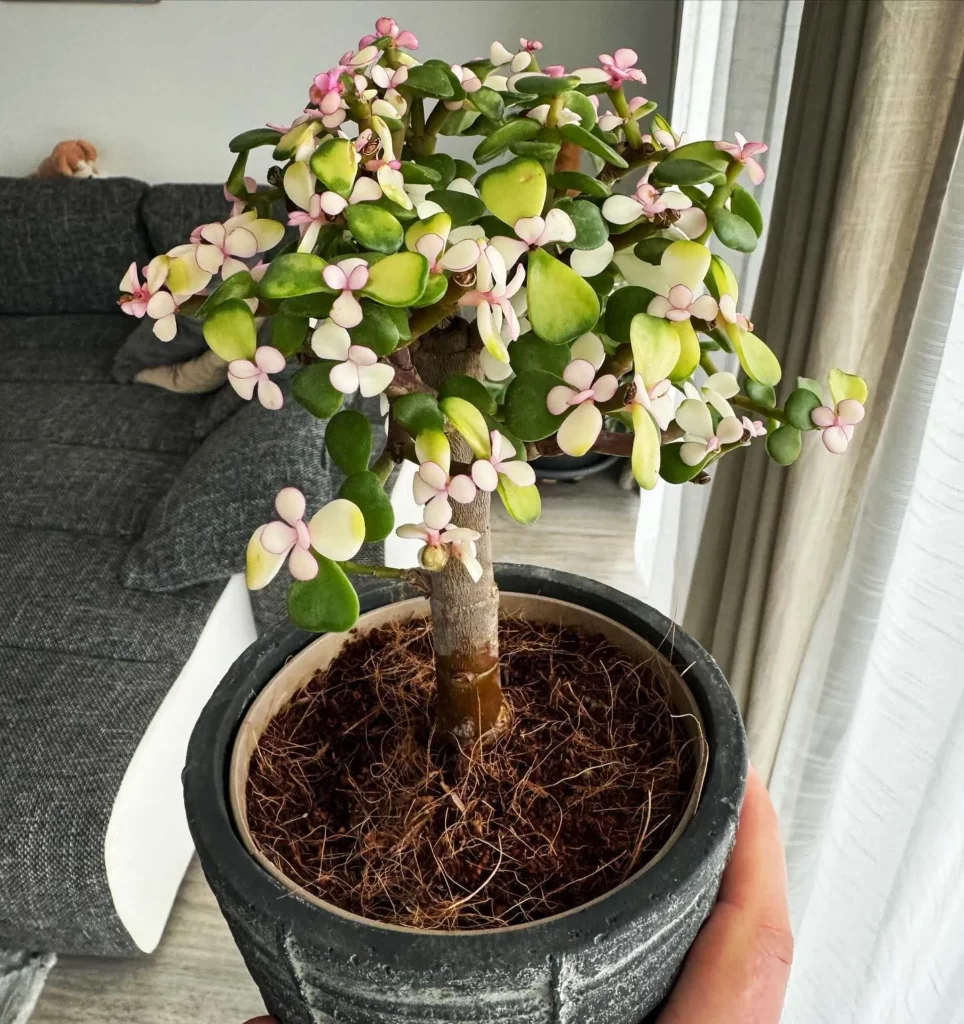
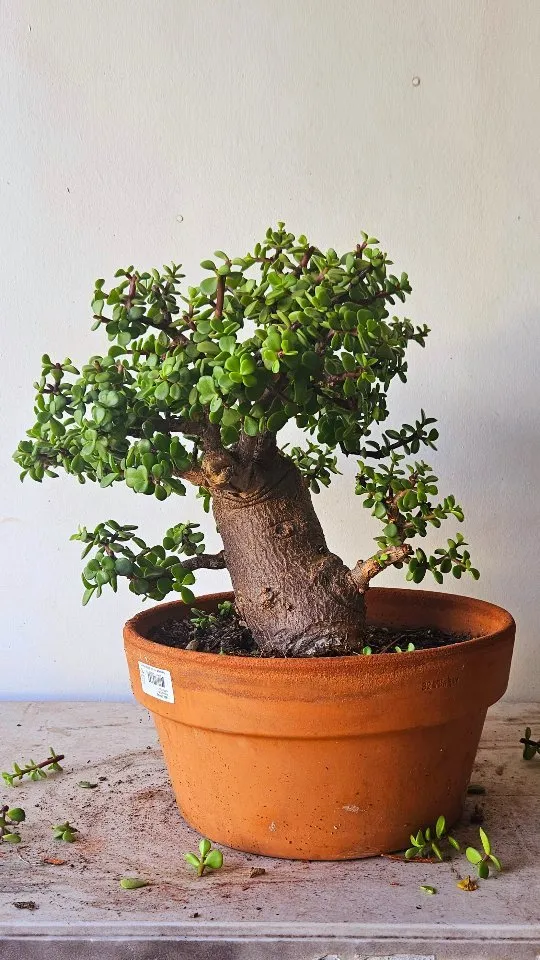
See the below images of collector’s jade bonsais (such beautiful demonstrations of traditional bonsai forms).
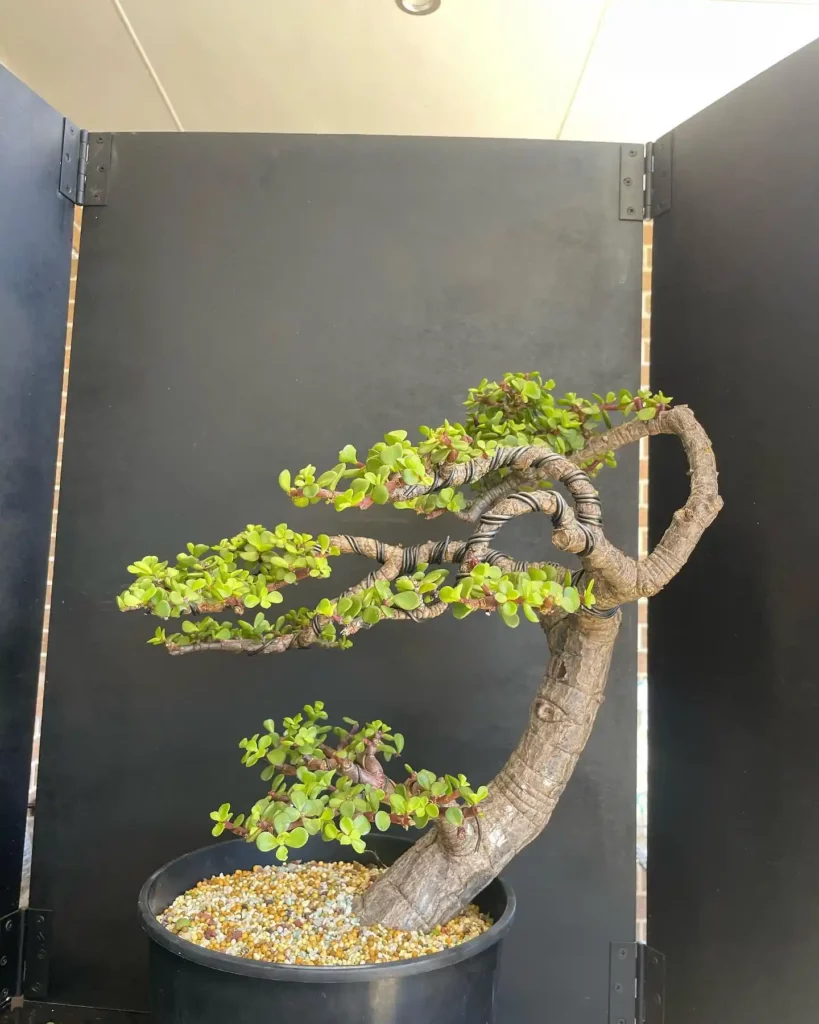
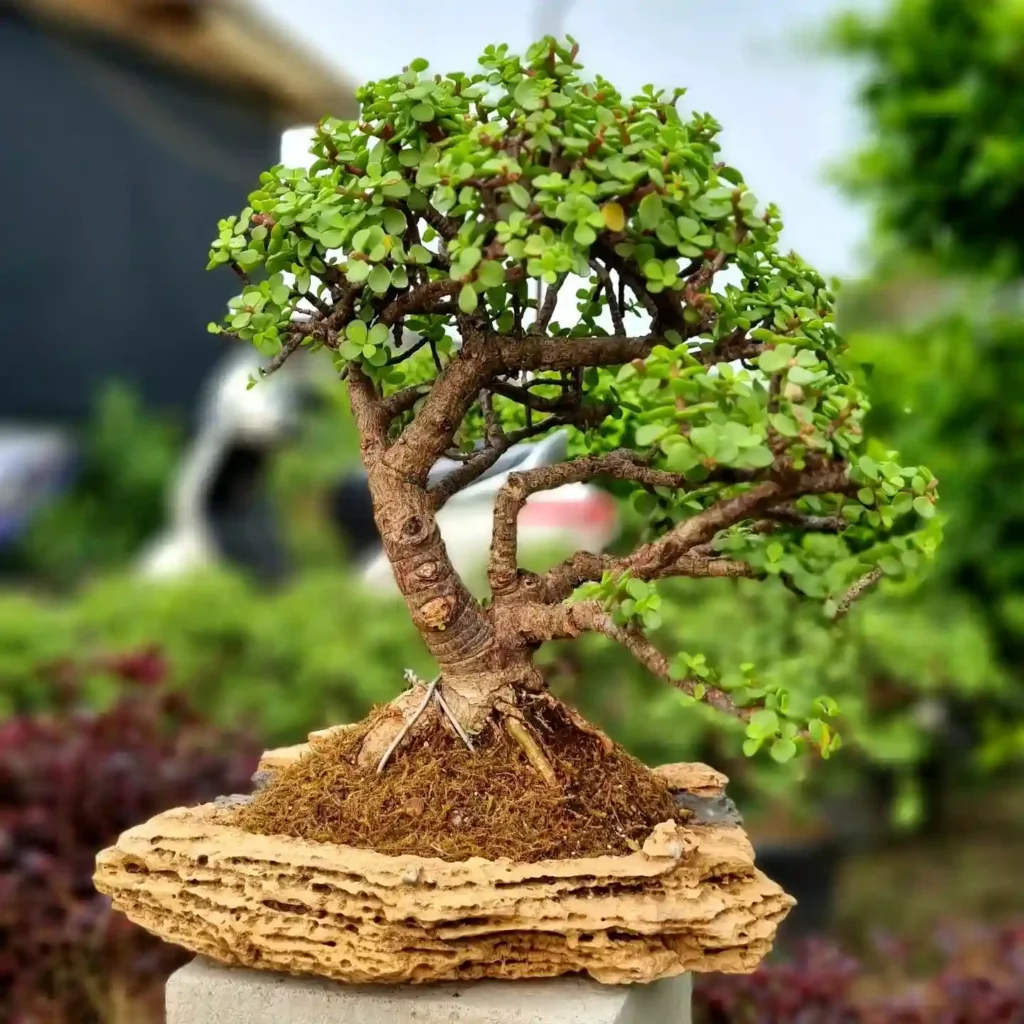
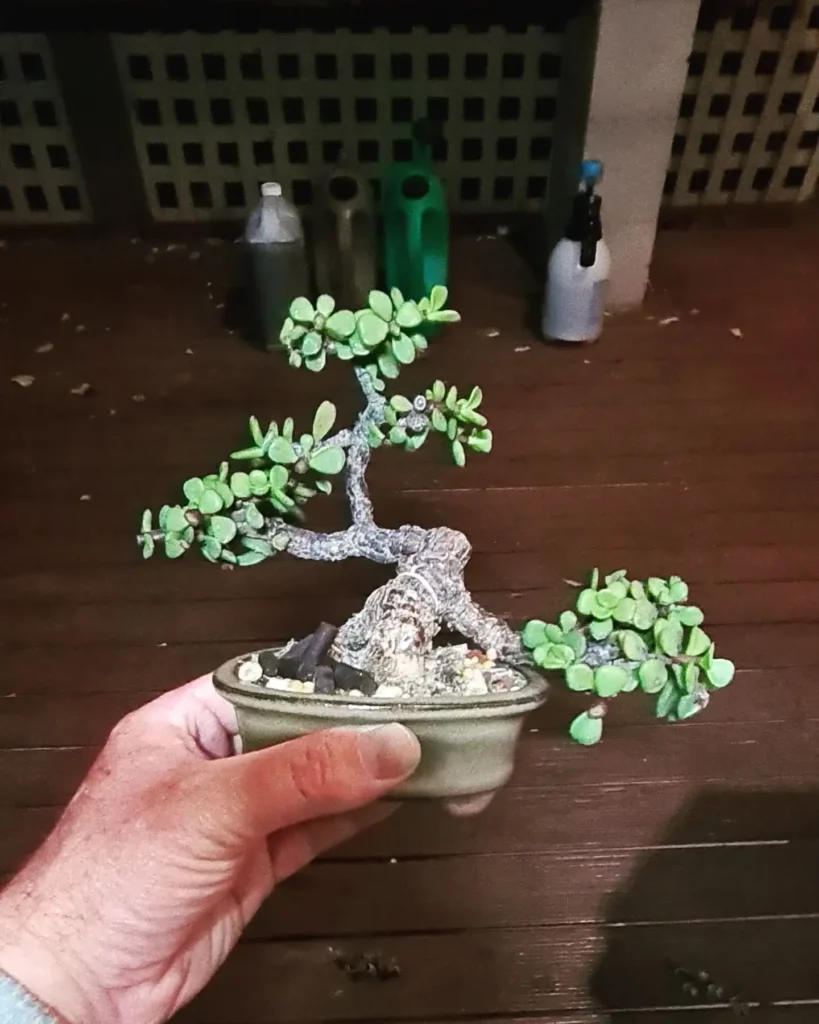
They are slow-growing trees that can take several years before reaching their full potential. The unique appearance of jade bonsais makes them fantastic objects for decoration in homes or offices while also providing several health benefits such as air purification.
Caring For Jade Bonsai
It’s essential to provide proper care for your jade bonsai because neglecting its basic needs can cause harm or even death of the plant. An unhealthy or dying plant may develop rotting branches or wilted leaves which are often irreversible with regular pre-emptive maintenance techniques.
Adequate light exposure and proper soil drainage are essential for growth and development of Jade Bonsai. If the plant doesn’t get enough light or has poor soil drainage, risk of fungal disease and pests infestation increases.
Inadequate watering can lead to root rot, which can be challenging to treat once it sets in. Failure to adjust your plant’s environment during temperature changes can also cause harm.
Jade Bonsai plants prefer a warm, dry climate with temperatures ranging from 65°F – 75°F (18°C – 24°C). An extreme change in temperature is likely to cause stress on the plant leading to yellowing or browning of leaves.
Origin And History Of Jade Bonsai
Jade is a succulent plant native to South Africa and Mozambique. The name “Jade” comes from the plant’s resemblance to a jade stone.
Jade plants became popular in China during the 14th century and were used mainly for their medicinal properties. In the 20th century, they gained popularity as indoor ornamental plants and are now common houseplants around the world.
Bonsai is an ancient Japanese art form that involves growing miniature trees in small containers while maintaining their natural beauty through careful pruning and training techniques. The combination of bonsai and jade plants results in a unique bonsai tree that adds beauty to any space.
Characteristics And Features Of Jade Bonsai
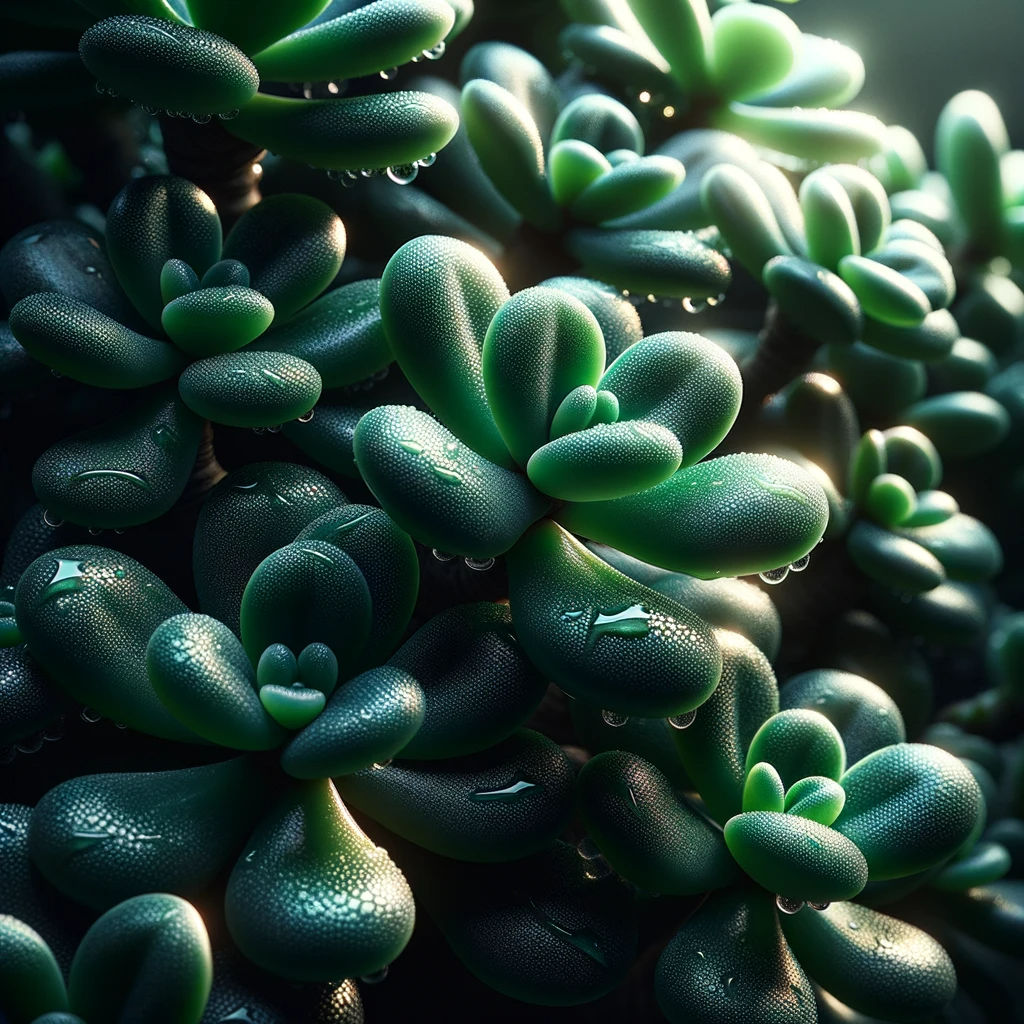
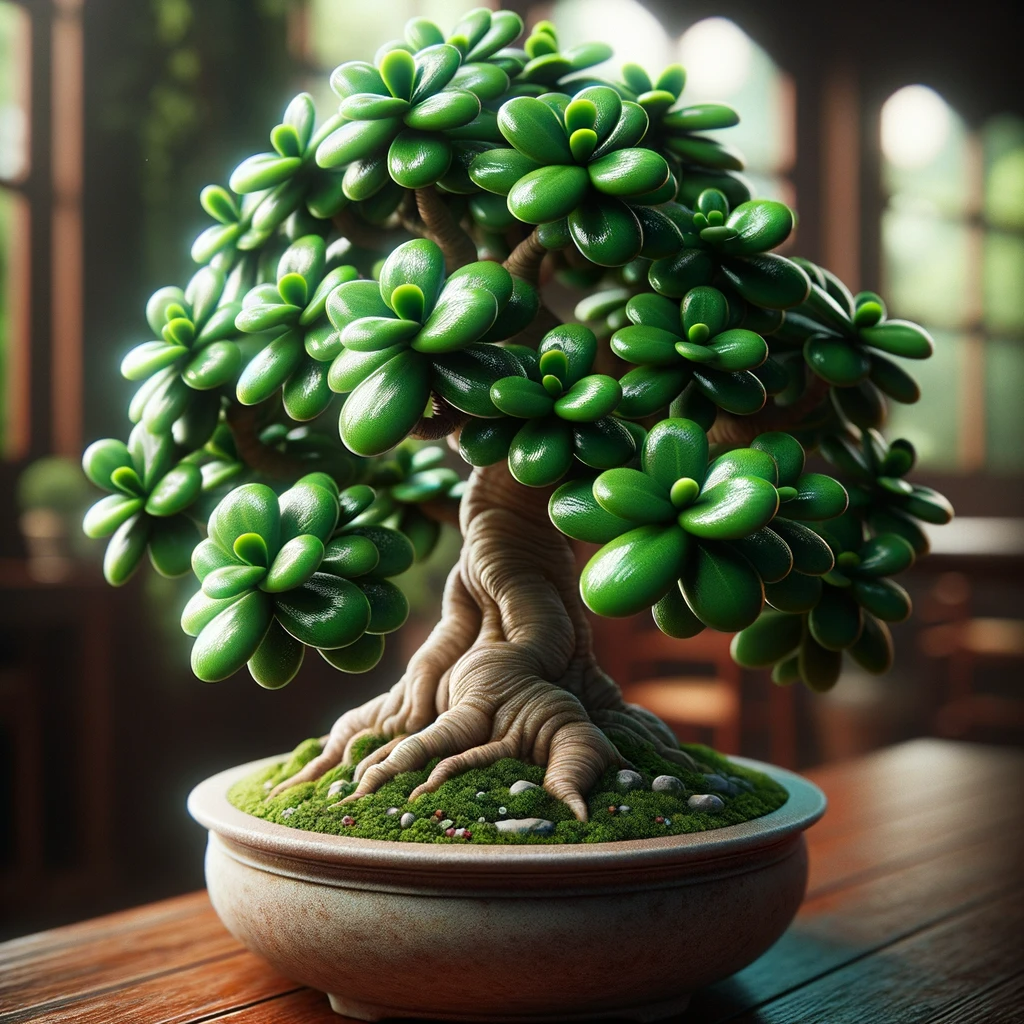
Jade bonsais are characterized by their thick, shiny leaves which grow opposite one another along their stems. The leaves are dark green and oval-shaped with a waxy texture that helps them retain moisture.
As jade bonsais grow, they develop thick trunks with rough bark. One unique feature of jade bonsais is that they can store water in their leaves.
This adaptation allows them to survive long periods without water, making them easy to care for as indoor plants. Jade bonsais have a slow growth rate compared to other types of bonsais, which makes them perfect for beginners who are just starting to learn about this art form.
Different Types Of Jade Bonsai
There are different types of jade bonsais available depending on your preference.
Crassula Ovata ‘Gollum’: This type has elongated bright green tubular leaves with reddish tips.
Crassula Argentea ‘Hobbit’: This type has curly, twisted leaves that resemble a sea anemone.
Crassula Ovata ‘Obliqua’: This type has small, triangular-shaped leaves that grow in a spiral pattern.
Other types of jade bonsais include the Crassula Ovata ‘Tricolor’, which has three-colored leaves and the Crassula Ovata ‘Minima’, which is a miniature version of the jade bonsai.
Setting Up The Perfect Environment For Your Jade Bonsai
You should choose a soil that has excellent drainage properties, but also retains moisture well enough to keep the bonsai hydrated.
A good mix should include a mixture of organic and inorganic materials, such as coarse sand, perlite or vermiculite, and bark or peat moss.
It’s important to avoid using regular garden soil as it often doesn’t provide enough drainage and could cause root rot. Also, avoid choosing a soil that has too much organic matter as it can retain too much moisture and cause fungal diseases.
Selecting The Appropriate Pot Size
The ideal pot size should be proportionate to the size of your bonsai tree’s roots. If you use a container that is too small, it can stunt root growth which can lead to poor nutrient absorption and overall slow growth.
Pots that are too large can lead to overwatering since there will be more space available for water retention than what is necessary for optimal plant growth. A general rule of thumb when selecting an appropriate pot size is to choose one where its width measures around two-thirds of its height.
Providing Adequate Lighting
Jade Bonsais require bright light conditions to thrive fully. They prefer bright indirect sunlight with some direct sunlight during morning or evening hours.
Direct sunlight during peak hours can burn their leaves leading them towards brown crispy edges. If you live in an area with low natural light conditions or cannot provide enough sunlight indoors then artificial lights like LED grow lights are alternatives that work well when providing supplemental lighting for your jade bonsai.
Providing Adequate Temperature
Jade Bonsais thrive in a warm temperature between 50-75 degrees Fahrenheit. They don’t like sudden temperature fluctuations, which can stress the plant, so it’s important to maintain stable conditions. Avoid placing them near air conditioning units or heating vents as it can cause sudden changes in temperature.
In winter, ensure they are kept away from excessive cold drafts and frost. Maintaining stable temperatures will promote healthy growth and blooming.
Choosing the right potting mix with good drainage, selecting the appropriate pot size to allow proper root growth, providing adequate light with some direct sunlight during morning or evening hours but avoiding midday sunburns on leaves, maintaining stable temperatures within a range of 50-75 degrees Fahrenheit, all contribute to creating a thriving bonsai tree that will bring you joy for years to come.
Watering And Fertilizing Your Jade Bonsai
Frequency And Amount Of Watering
One of the most important aspects of caring for your Jade Bonsai is proper watering. Overwatering or underwatering can cause serious problems for the health of your bonsai. As a general rule, you should water your jade bonsai when the soil has completely dried out.
You can check this by sticking a wooden skewer or chopstick into the soil and checking to see if it feels moist or dry. The frequency of watering will depend on various factors such as temperature, humidity levels, pot size, and soil type.
During hot weather conditions, you may need to water your jade bonsai more frequently than during cooler months. When watering, make sure that you thoroughly saturate the soil until water starts to drain out from the bottom of the pot.
Types Of Fertilizers To Use
Fertilizing is an essential aspect of keeping a healthy Jade Bonsai. Since jade plants are slow-growing succulents, they do not require frequent fertilization like other plants. It is recommended that you apply a balanced fertilizer every 4-6 weeks during spring and summer months when growth is most active.
There are different types of fertilizers available in the market such as liquid fertilizers or slow-release pellets. Organic fertilizers like fish emulsion or seaweed-based products are also great options for feeding your jade bonsai without exposing it to harsh chemicals.
Tips On How To Properly Apply Fertilizers
It is essential to follow specific tips when applying fertilizer so that it does not harm your bonsai plant. One crucial tip is always to dilute liquid fertilizer before applying it so that it does not burn the roots. Follow instructions on package labels closely while mixing with water to ensure proper dilution.
When applying slow-release pellets, make sure to scatter them evenly on the soil surface, and then lightly rake them into the soil. Another essential tip is to avoid fertilizing your jade bonsai during winter months when growth slows down.
Proper fertilization can help promote healthy growth, vibrant foliage, and beautiful blooms in your Jade Bonsai. Remember that less is more when it comes to fertilization; overfertilizing can lead to mineral build-up and cause harm to your bonsai plant.
Practical Tips for Watering and Fertilizing Your Jade Bonsai
- Check Soil Moisture Levels:
- Before watering your Jade Bonsai, always check the moisture level of the soil. You can do this by inserting a wooden skewer or chopstick into the soil about an inch or two deep. If it comes out dry, it’s time to water; if it still feels slightly moist, wait a bit longer before watering.
- Tailor Watering to Your Climate:
- Adapt your watering schedule to your local climate conditions. In hot and dry climates, you may need to water more frequently, while in cooler and more humid areas, less frequent watering may be necessary.
- Consider a Humidity Tray:
- To maintain adequate humidity around your Jade Bonsai, consider placing it on a humidity tray filled with water and pebbles. This can help offset dry indoor conditions.
- Use a Well-Draining Potting Mix:
- Ensure your bonsai is potted in a well-draining soil mix. A mix of coarse sand, perlite, and bark or peat moss can provide the necessary drainage while retaining moisture.
- Water Slowly and Thoroughly:
- When watering, do so slowly and thoroughly. Water until you see excess water draining from the bottom of the pot. This ensures that water reaches the deeper roots.
- Rotate Your Bonsai:
- To ensure even growth and sun exposure, rotate your Jade Bonsai regularly. This prevents it from leaning toward the light source and promotes a balanced shape.
- Inspect Roots Annually:
- Annually inspect your bonsai’s roots during repotting. Trim any circling or excessively long roots to encourage a healthy root system.
- Adjust Fertilizer Strength:
- Tailor the strength of liquid fertilizer by diluting it more during the growing season for younger or newly repotted bonsais. Mature bonsais may require a slightly stronger solution.
- Observe Signs of Nutrient Deficiency:
- Keep an eye out for any signs of nutrient deficiency in your Jade Bonsai, such as pale leaves or slowed growth. These signs may indicate the need for adjusted fertilization.
- Maintain Consistency:
- Consistency in your care routine is key. Regularly check soil moisture, follow your watering and fertilizing schedule, and maintain stable environmental conditions for your bonsai.
Types Of Pruning Techniques For Different Parts (Leaves, Branches, Roots)
Pruning is an important part of jade bonsai care as it helps to maintain the shape and size of the tree. There are three types of pruning techniques: leaf pruning, branch pruning, and root pruning. Leaf pruning helps to maintain the size of the leaves while branch pruning keeps the tree’s shape intact.
Root pruning is done when the roots have outgrown their container. To prune jade bonsai leaves, use sharp scissors or shears to trim individual leaves to half their original size.
This keeps them from getting too large and taking away from the overall appearance of your plant. Branches can also be pruned using sharp shears – cut back to a bud or node that faces in your desired direction.
When it comes to root pruning, take caution not to remove too many roots at once as this can be harmful for your jade bonsai. Instead, only prune about a third of the roots each time you repot your bonsai.
Jade Bonsai Pruning Calendar
Pruning is a vital aspect of caring for your Jade Bonsai, ensuring its health, shape, and overall aesthetic appeal.
Maintenance Pruning
Maintenance pruning is an ongoing task that should be performed throughout the year as needed. It focuses on the day-to-day care and upkeep of your Jade Bonsai. Here’s a breakdown of maintenance pruning:
1. Seasonal Leaf Maintenance:
- Spring: As the growing season begins, inspect your Jade Bonsai for dead or yellowing leaves. Prune away any damaged or unsightly foliage to encourage healthy new growth.
- Summer: Continue to monitor the foliage, removing any leaves that show signs of stress or disease. Ensure proper airflow within the canopy.
- Fall: Reduce the frequency of pruning as the plant slows its growth. Focus on tidying up the appearance and preparing for winter.
- Winter: Minimal pruning is needed during the dormant period, but you can still remove any dead or decaying leaves.
2. Trimming and Styling:
- Throughout the year, trim back branches that have grown too long or out of shape to maintain the desired form of your Jade Bonsai. Consider wiring to guide branch placement and enhance aesthetics.
Structural Pruning
Structural pruning is more substantial and is aimed at shaping the overall form and structure of your Jade Bonsai. The timing of structural pruning depends on the growth pattern and development stage of your bonsai:
1. Early Spring (Pre-Growth Season):
- This is an ideal time for structural pruning before the active growth phase begins. Trim away unwanted branches, create or refine the bonsai’s basic structure, and address any major styling decisions.
2. Late Spring to Early Summer (Growth Season):
- During this period, focus on fine-tuning the shape and structure as new growth emerges. Prune to encourage balanced growth and enhance the bonsai’s overall appearance.
3. Early to Mid-Autumn (Post-Growth Season):
- As the growing season wanes, you can perform additional structural adjustments if needed. Remove any excess or unwanted growth to maintain the desired silhouette.
Root Pruning
Root pruning is a critical aspect of jade bonsai care, ensuring a healthy root system and overall tree vitality. Root pruning is typically done during repotting, which should occur every two to three years in the early spring. Here’s how to approach root pruning:
1. Repotting Preparation:
- Select an appropriate time in early spring to repot your Jade Bonsai. Carefully remove the bonsai from its pot, gently shake off old soil, and inspect the roots.
2. Root Examination and Pruning:
- Trim any overly long or circling roots, aiming to maintain a compact and healthy root system. Avoid removing more than one-third of the root mass at a time.
3. Repotting:
- Repot your Jade Bonsai in fresh bonsai soil, ensuring proper drainage. Position the roots carefully, and water thoroughly.
By following this detailed Jade Bonsai Pruning Calendar, you’ll be able to maintain your bonsai’s health and promote its aesthetic beauty.
How To Shape Your Jade Bonsai Into Different Styles (Formal Upright, Informal Upright, Slanting, Cascading)
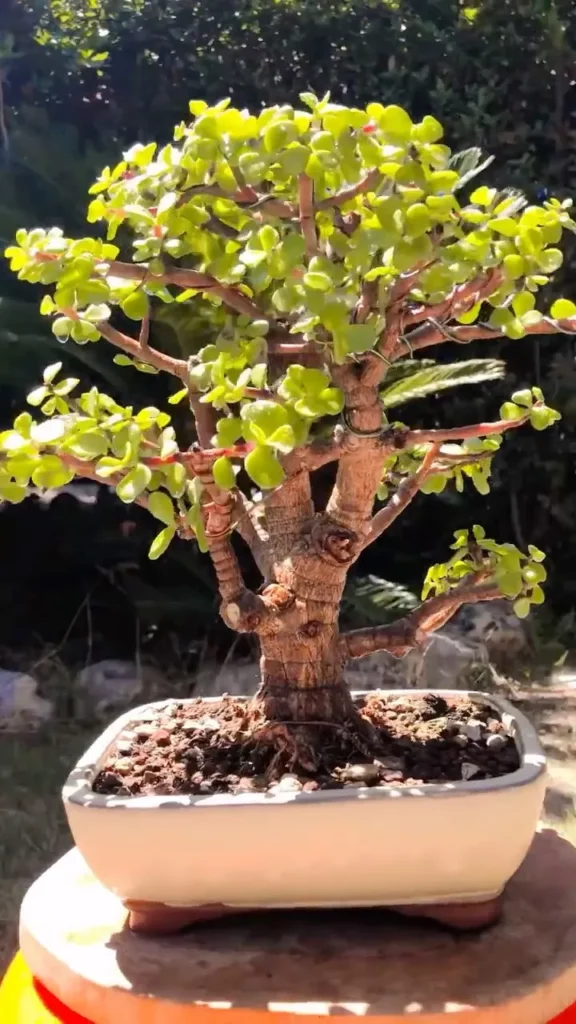
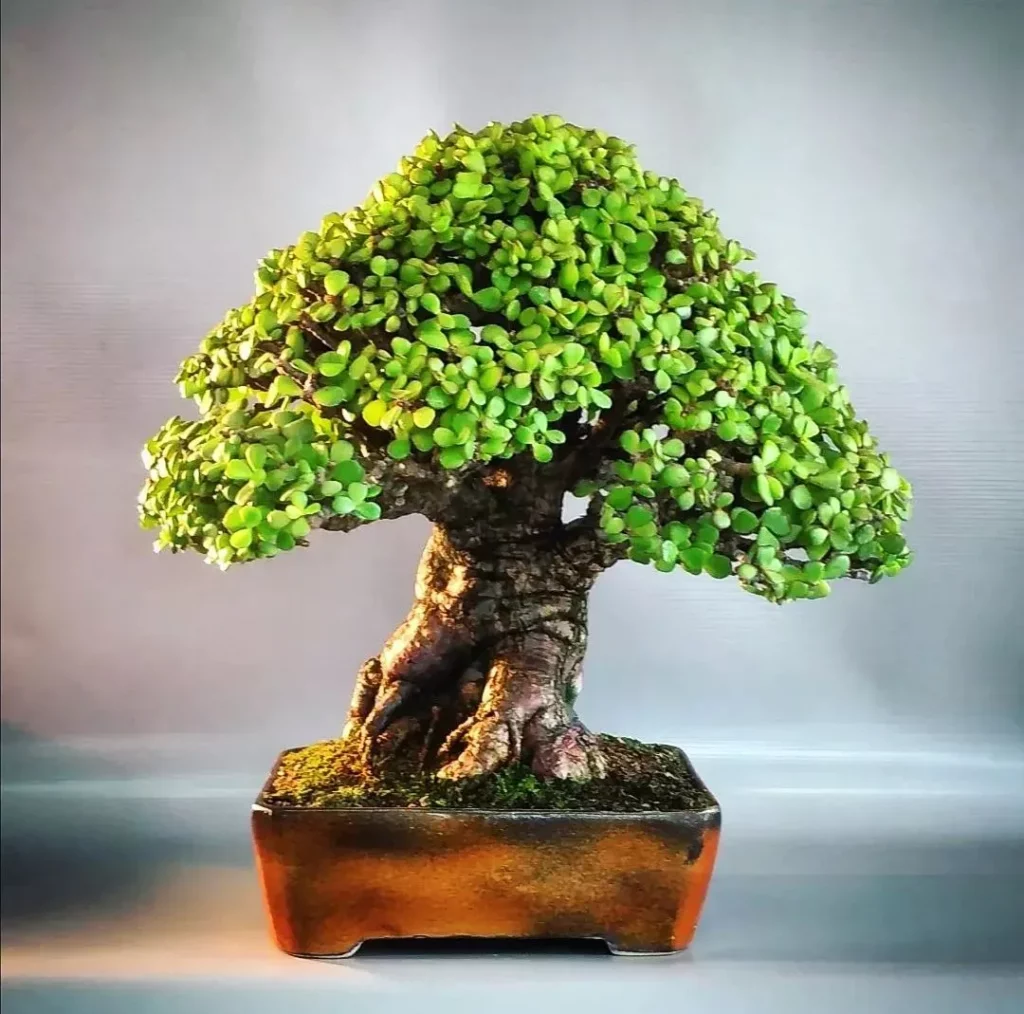

Jade bonsais can be shaped into various styles such as formal upright, informal upright, slanting or cascading depending on personal preferences.
The formal upright style is characterized by a straight trunk with branches that gradually decrease in length towards the top creating a triangular shape while in an informal upright style; there is no such pattern. To achieve a formal upright style for your jade bonsai create an imaginary triangle on top where you want its height limit then trim off branches beneath that line so that they don’t interfere with those growing above it.
For an informal upright style allow branches below and above triangle line creating movement throughout its structure which brings a more natural look to your jade bonsai.
Slanting style involves shaping your bonsai in a way that the trunk is inclined at an angle from the pot while cascading style has its branches trailing downwards in a cascade manner.
Achieving these styles required regular pruning, wiring and training of branches over time. Pruning and shaping your Jade Bonsai is essential for maintaining its shape, size and overall health.
Remember to use sharp shears or scissors and be careful when root pruning to avoid harming your plant. Experiment with different styles to find the one that suits you best, and don’t be afraid to get creative!
Jade Bonsai Propagation
Are you eager to learn how to propagate Jade Bonsai? Well, it’s easy! Just follow this step-by-step guide on how to propagate a Jade Bonsai. We’ve detailed three different options: stem cutting, leaf cutting, and air layering.
Stem Cuttings
1. Select a Healthy Stem:
- Choose a healthy, non-flowering stem from your mature Jade Bonsai. Ensure it’s free from pests or diseases.
2. Cut the Stem:
- Use sharp, clean shears to cut a stem section that’s about 3-4 inches long. Make the cut just below a leaf node (the bump on the stem where leaves grow).
3. Allow Callus Formation:
- Place the cut stem in a dry, shaded area for a few days to allow the cut end to callus. This helps prevent rotting when planted.
4. Potting:
- Plant the callused end of the stem in a well-draining bonsai soil mix. Water sparingly to avoid overwatering and root rot.
5. Encourage Root Growth:
- Keep the soil consistently moist but not waterlogged. Over time, the stem will develop roots and can be treated like a young Jade Bonsai.
Leaf Cuttings
1. Choose Healthy Leaves:
- Select plump, healthy leaves from your mature Jade Bonsai. Avoid using damaged or unhealthy leaves.
2. Let Leaves Dry:
- Allow the leaf cuttings to air dry for a day or two. This helps prevent rotting.
3. Plant the Leaves:
- Lay the dried leaves on top of well-draining bonsai soil, or lightly press them into the soil’s surface. Do not bury them entirely.
4. Watering and Patience:
- Mist the leaves lightly to keep them hydrated. Over time, small plantlets will emerge from the base of the leaves.
5. Transplanting:
- Once the plantlets have grown large enough to handle, carefully transplant them into individual pots or directly into your bonsai container.
Air Layering
1. Select a Branch:
- Choose a healthy, woody branch on your Jade Bonsai where you want to create a new plant.
2. Make an Incision:
- About 12-18 inches from the branch tip, make a shallow, horizontal incision around the branch, removing a small ring of bark.
3. Apply Rooting Hormone:
- Apply rooting hormone to the exposed wood to encourage root development.
4. Wrap in Sphagnum Moss:
- Cover the exposed area with damp sphagnum moss, then wrap it with plastic wrap to keep it in place.
5. Encourage Root Growth:
- Keep the moss consistently moist. Over several weeks, roots will form within the moss.
6. Separation and Potting:
- Once sufficient roots have developed, carefully cut the branch below the rooted area and transplant it into a new pot with bonsai soil.
Pests And Diseases Management In Your Jade Bonsai
Jade bonsais are known to be hardy plants, but they are still susceptible to a variety of pests. The most common pests that affect jade bonsais are spider mites and mealybugs. Spider mites can be identified by their tiny size and the fine webbing they produce on the plant.
Mealybugs, on the other hand, look like small white cotton balls and can cause yellowing of leaves. To control spider mites, you can use insecticidal soap or neem oil.
These products work by suffocating the pests and preventing them from reproducing. For mealybugs, you can use a cotton swab dipped in rubbing alcohol to remove them from the plant.
Diseases That Can Affect Jade Bonsais
In addition to pests, jade bonsais can also fall victim to various diseases such as root rot and fungal infections. Root rot is caused by over-watering or poor drainage and results in yellowing leaves that eventually fall off.
Fungal infections typically manifest as black spots on the leaves or stem. To prevent root rot, make sure your jade bonsai is planted in well-draining soil and avoid watering too often.
If your plant already has root rot, it may be necessary to repot it into fresh soil with improved drainage. Fungal infections can also be treated with fungicides available at garden centers or nurseries.
Conclusion
Caring for a jade bonsai requires attention to detail in several areas such as lighting, watering, pruning and pest management among others. To keep your jade bonsai healthy, make sure it is planted in well-draining soil with adequate lighting and temperature conditions. Regular monitoring for pests and diseases is also essential.
Early detection and treatment of any issues can prevent long-term damage to your plant. With proper care, jade bonsais can live for decades and become cherished family heirlooms.
Check out our other articles on:
Frequently Asked Questions
The watering frequency for a jade bonsai depends on several factors such as the size of the pot, humidity, and temperature, but in general, it’s recommended to water the plant thoroughly when the soil is nearly dry to the touch.
Yes, sunlight is necessary for the growth of a jade bonsai. The plant should receive at least 4-6 hours of direct sunlight every day.
The steps involved in maintaining a jade bonsai tree include providing it with proper lighting, watering it as needed, fertilizing it occasionally, pruning it to shape it, and repotting it every two to three years.
Jade bonsai is relatively easy to care for as long as the plant is given the appropriate growing conditions and attention. It’s an excellent choice for beginners who want to start with a low-maintenance plant.
To ensure the survival of a jade bonsai, you should provide it with adequate lighting, water it correctly, protect it from extreme temperatures, avoid over-fertilizing, and prune it regularly.
Misting is not recommended for a jade bonsai since it can promote fungal growth and cause the leaves to rot. Instead, you can wipe the leaves with a damp cloth to keep them clean and healthy.