Welcome to our exciting article on using cottonseed hulls in bonsai gardening! If you’re looking for a natural approach to improving your bonsai soil, cottonseed hulls might just be the answer. These versatile materials, made from cellulose and lignin, offer numerous benefits for both your bonsai trees and the environment.
When it comes to cultivating bonsai trees, having the right soil is essential. Cottonseed hulls provide excellent moisture retention and drainage properties, creating an ideal growing medium for your miniature masterpieces. Their high nitrogen content and slightly acidic nature also contribute to enhanced plant growth, ensuring your bonsai trees thrive in their compact containers.
The Composition of Cottonseed Hulls

Cottonseed hulls, commonly used in gardening and agriculture, are composed of fibrous material that provides unique benefits for plant growth. These fibrous hulls consist of cellulose and lignin, which contribute to their structural integrity and texture.
The fibrous nature of cottonseed hulls allows them to retain moisture within the soil, which is essential for plant hydration. Simultaneously, the fibrous composition enables proper drainage, preventing waterlogging and ensuring the plant’s root system has adequate access to oxygen.
Besides their fibrous composition, cottonseed hulls contain other essential nutrients like nitrogen, calcium, and potassium. These additional nutrients contribute to the overall health and growth of plants, promoting vibrant foliage and robust root development.
The Importance of Cottonseed Hulls in Agriculture
Cottonseed hulls serve as a valuable soil amendment in agriculture, offering numerous benefits for farmers and gardeners alike. By incorporating cottonseed hulls into the soil, you can create a nutrient-rich growing medium that fosters optimal plant growth and productivity.
1. Enhanced Soil Nutrients
Cottonseed hulls are rich in essential nutrients, including nitrogen, calcium, and potassium. These nutrients fuel plant growth and development, promoting healthy root systems and vibrant foliage. By supplementing the soil with cottonseed hulls, you provide an abundant source of these vital elements, ensuring your plants receive the nourishment they need for optimal performance.
2. Improved Soil Structure
In addition to nutrient content, cottonseed hulls contribute to soil structure improvement. With their fibrous nature, they help increase soil porosity, enhancing aeration and drainage. This allows plant roots to access sufficient oxygen and prevents waterlogging, which can hinder plant growth. Consequently, the incorporation of cottonseed hulls leads to healthier, more resilient plants.
3. Soil Amendment and Fertilizer Enhancer
Cottonseed hulls can be combined with other organic materials such as compost, peat moss, or perlite to create a superior soil amendment. This nutrient-rich blend boosts the overall fertility of the soil, providing a nourishing environment for plant growth. The cottonseed hulls act as a fertilizer enhancer, optimizing the effectiveness and longevity of applied fertilizers.
4. Animal Feed
Aside from their agricultural benefits, cottonseed hulls are widely utilized as animal feed due to their high nitrogen content and palatability. They provide a valuable source of nutrition for livestock, contributing to their overall health and well-being.
An Overview of Bonsai Gardening

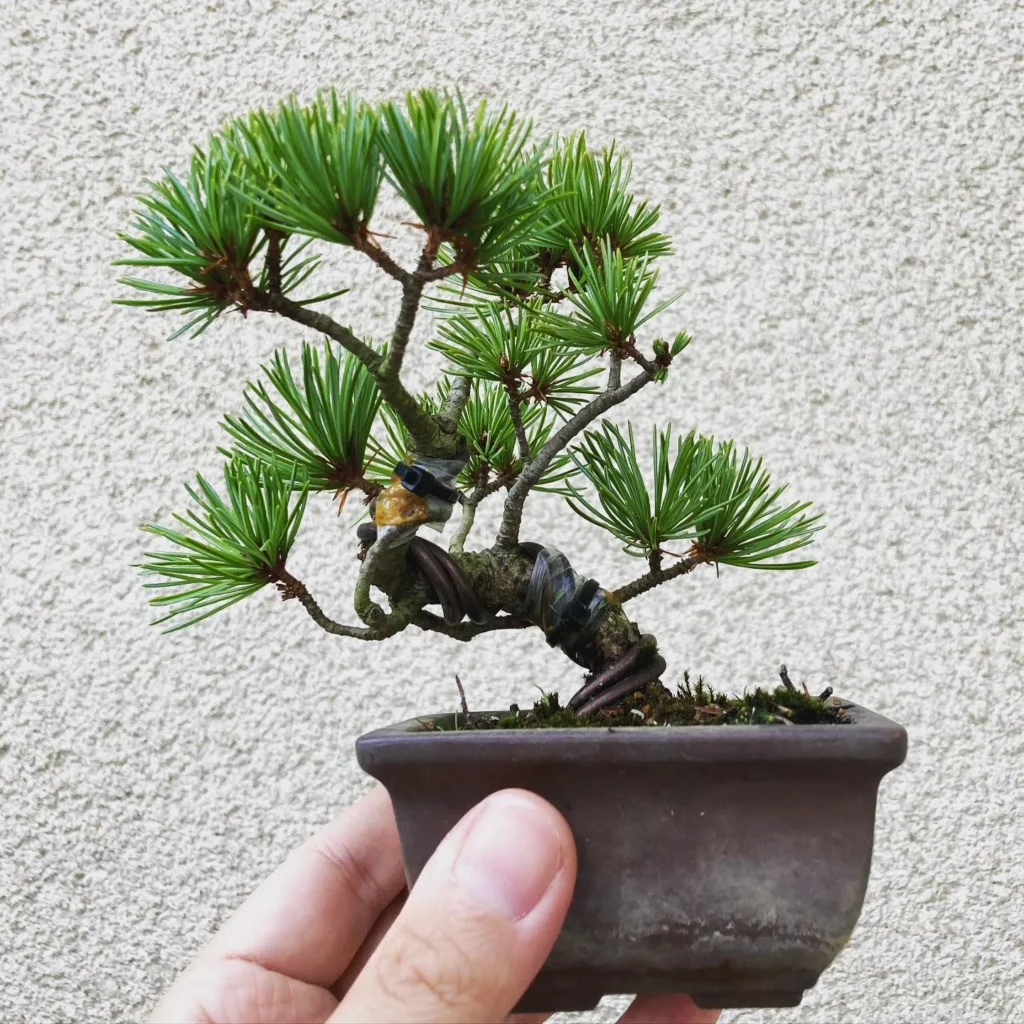
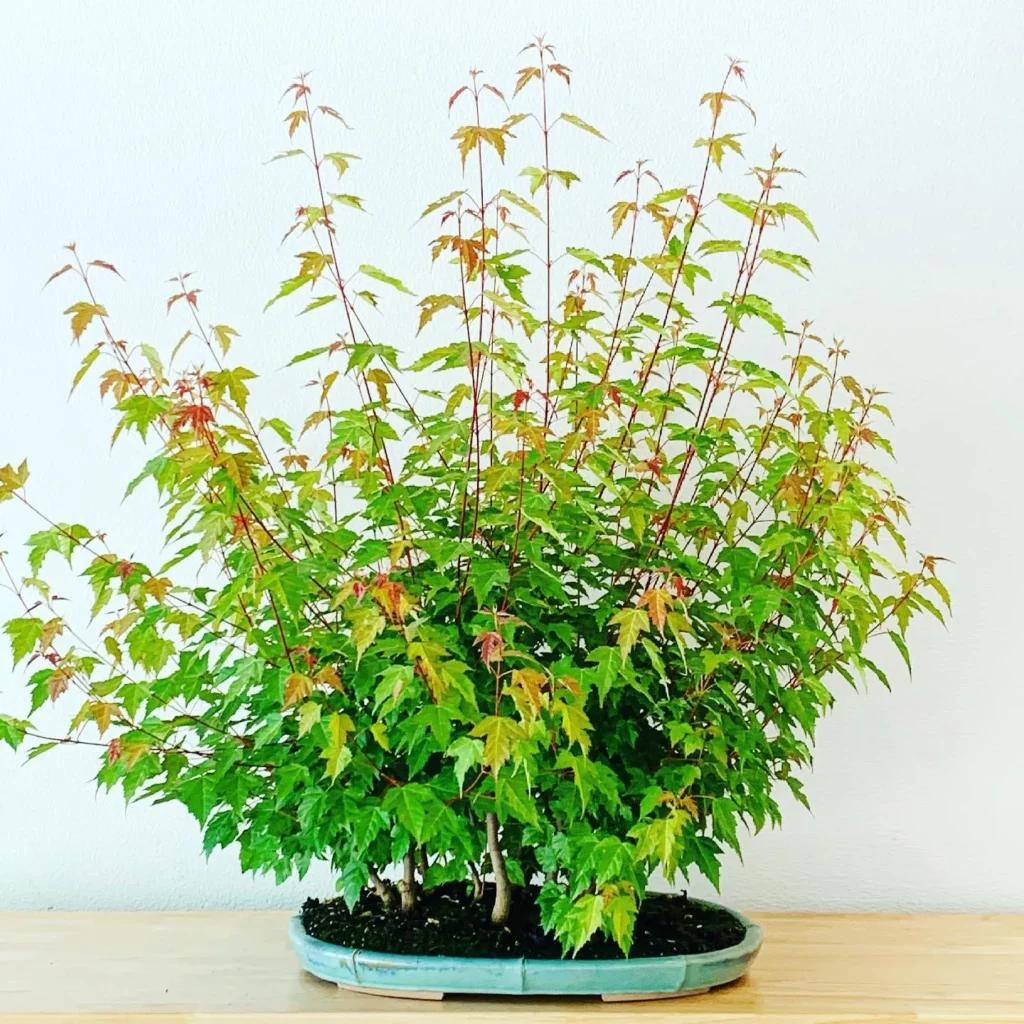
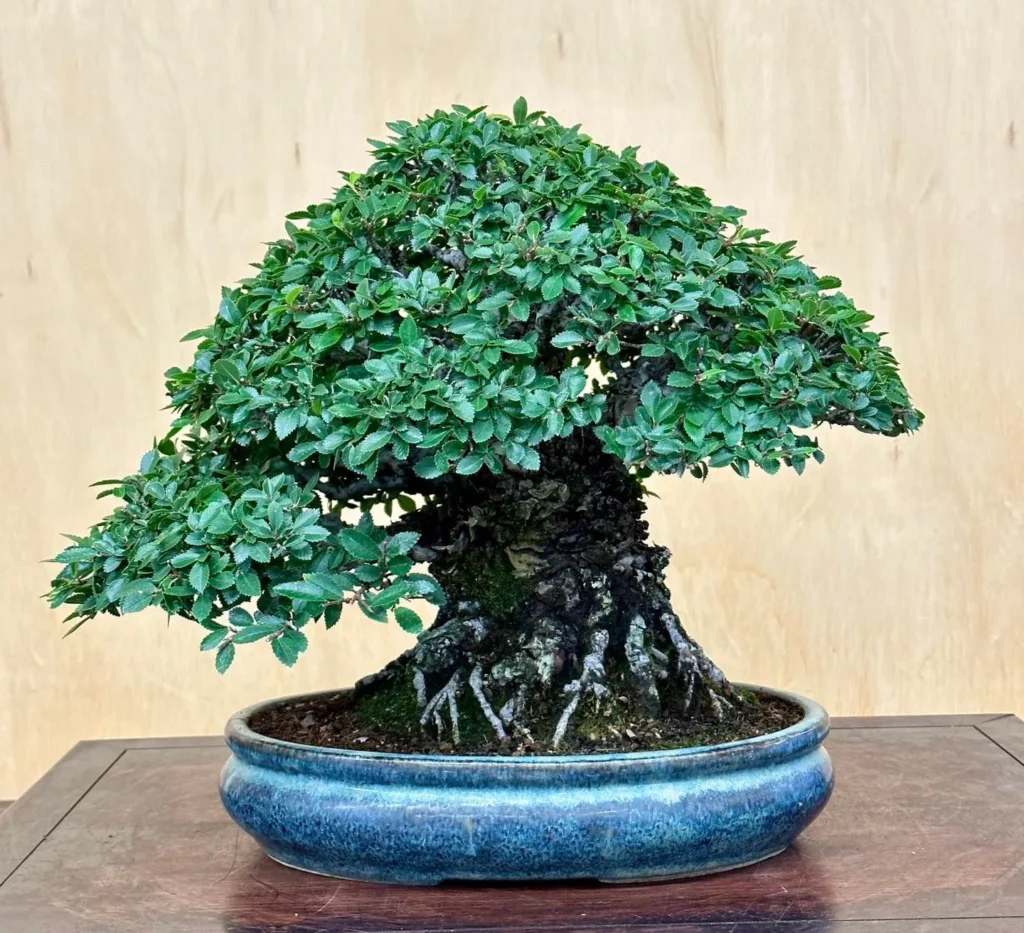
Bonsai gardening is an ancient practice originating in Japan. It involves growing miniature trees in containers and requires skill and patience to maintain the tree’s size while allowing it to grow healthily. Bonsai trees come in various species, shapes, and sizes, with popular choices including junipers, maples, pines, and ficus trees.
Cottonseed Hulls in Bonsai Trees
If you’re looking for a natural and effective growing medium for your bonsai trees, consider using cottonseed hulls. These fibrous materials, derived from the outer covering of the cottonseed, offer several benefits that promote healthy growth and development in your bonsai trees.
Before using cottonseed hulls, it’s important to remove impurities by soaking them in water overnight. Once they are clean, you can mix them with other organic materials like peat moss or compost to create a suitable growing medium for your bonsai trees.
Cottonseed hulls serve as an excellent growing medium due to their ability to retain moisture while ensuring proper drainage. This balanced moisture level is crucial for the health and vitality of bonsai trees, providing them with the optimal conditions for root growth and nutrient absorption.
With cottonseed hulls as part of your growing medium, you can create an environment that replicates the natural habitat of bonsai trees, promoting their overall well-being and enhancing their aesthetic appeal.
Benefits of Cottonseed Hulls in Bonsai Trees:
- Moisture retention: Cottonseed hulls help maintain a consistent moisture level, preventing both under and over-watering.
- Proper drainage: The fibrous nature of cottonseed hulls allows for efficient drainage, preventing waterlogged roots and the risk of root rot.
- Improved root health: Cottonseed hulls provide an ideal environment for root development, ensuring strong and healthy root systems.
- Nutrient availability: By retaining moisture and facilitating proper drainage, cottonseed hulls help the bonsai trees absorb essential nutrients from the growing medium.
- Eco-friendly option: Cottonseed hulls are a natural and sustainable alternative to synthetic growing mediums, minimizing environmental impact while supporting healthy plant growth.
Using Cottonseed Hulls in Bonsai Tree Care

When it comes to bonsai tree care, incorporating cottonseed hulls can be highly beneficial. There are two main ways to utilize cottonseed hulls in your bonsai care routine: as a mulch and as a component of the soil mix.
Mulching with Cottonseed Hulls
- Retain moisture: Cottonseed hulls act as a natural mulch, helping to retain moisture in the soil. This is especially important for bonsai trees, as they often require consistent moisture levels to thrive.
- Regulate soil temperature: By adding a layer of cottonseed hulls as mulch, you can help regulate the temperature of the soil. They act as insulation, keeping the soil cooler in hot weather and warmer in cold weather.
- Slow-release nutrients: Cottonseed hulls also provide a slow-release source of nutrients for your bonsai tree. As they decompose, they release essential nutrients, promoting healthy growth and overall plant vitality.
Incorporating Cottonseed Hulls in the Soil Mix
- Aeration and drainage: Adding cottonseed hulls to the soil mix enhances aeration and drainage. These fibrous hulls create air pockets within the soil, allowing the roots to access oxygen and preventing waterlogging.
- Plant nutrition: Cottonseed hulls contribute to the overall plant nutrition by releasing nutrients slowly into the soil over time. This ensures that your bonsai tree receives a steady supply of essential nutrients for optimal growth.
Different Fertilizer Options for Bonsai Trees

Fertilizers are essential for promoting the health and growth of bonsai trees. While cottonseed hulls provide some nutrients, additional fertilizers may be necessary to ensure optimal plant nutrition. Luckily, there are several fertilizer options available for bonsai trees, each with its own benefits and application methods.
- Cottonseed Meal: Derived from cottonseeds, this organic fertilizer is rich in nitrogen, making it ideal for promoting leafy growth in bonsai trees. It can be applied as a top dressing or incorporated into the soil during repotting.
- Fish Emulsion: This liquid fertilizer is made from fermented fish, providing a good source of nutrients such as nitrogen, phosphorus, and potassium. It is easy to apply by diluting with water and can be used as a foliar spray or soil drench.
- Dr. Earth Life Pellets: These slow-release pellets contain a blend of organic ingredients, including beneficial microbes. They provide a steady supply of nutrients over time and can be incorporated into the soil during repotting.
- Miracle Gro: A popular choice among gardeners, Miracle Gro offers a range of water-soluble fertilizers suitable for bonsai trees. These fast-acting fertilizers provide quick results and are convenient to use by simply mixing with water and applying as a foliar spray or soil drench.
- Sumo Cakes: These solid organic fertilizer cakes are specifically formulated for bonsai trees. They slowly release nutrients and beneficial microbes into the soil, promoting overall plant health. Sumo Cakes can be placed on the soil surface or buried in the soil during repotting.
- Tosho brand Omakase Pellets: These Japanese-imported pellets offer a balanced blend of macro and micronutrients for bonsai trees. They provide long-lasting nourishment and can be applied by burying directly into the soil during repotting.
Tips for Applying Fertilizer to Bonsai Trees
Proper fertilizer application is essential for the care and maintenance of bonsai trees. By providing the right nutrients, you can ensure the health and vitality of your miniature trees. Here are some helpful tips to guide you in fertilizing your bonsai:
1. Choose the Right Fertilizer Application Method
There are several methods you can use to apply fertilizer to your bonsai trees:
- Liquid Fertilizers: To apply liquid fertilizers, use a watering can with a fine nozzle or a specialized bonsai fertilizer dispenser. Dilute the fertilizer in water according to the manufacturer’s instructions and water your bonsai thoroughly, allowing the liquid to reach the roots.
- Solid Fertilizers: Solid fertilizers, such as granules or pellets, can be placed directly on the soil surface or lightly worked into the top layer of soil. Make sure to distribute the fertilizer evenly around the tree and avoid direct contact with the trunk or foliage.
- Tea Bags: Another option is to create your own nutrient-rich tea by filling tea bags with different types of fertilizers. Place the tea bags in a container of water and let them steep overnight. The resulting liquid can be used to water your bonsai, providing a slow-release source of nutrients.
2. Use a Combination of Fertilizers
It is beneficial to use a combination of different fertilizers to provide a balanced range of nutrients for your bonsai tree. Consider using both organic and synthetic fertilizers to ensure optimal plant nutrition. Organic options like cottonseed meal or fish emulsion can provide slow-release nutrients, while synthetic fertilizers like Dr. Earth Life pellets or Miracle Gro can offer quick-acting plant food.
3. Follow a Feeding Schedule
Bonsai trees have different nutrient requirements depending on their species and growth stage. As a general guideline, liquid fertilizers can be applied one to four times per month during the growing season. Solid fertilizers can be used as a top dressing on the soil every few months. Adjust the frequency and dosage of fertilizers based on the specific needs of your bonsai tree.
Different Applications of Cottonseed Fertilizer
Cottonseed fertilizer is a versatile option that can be used for various plants, including acid-loving plants like azaleas and camellias, roses, turf, shrubs, and vegetables. When applied to acid-loving plants, cottonseed fertilizer helps lower soil pH and increases the availability of essential elements for optimal growth. This ensures that these plants thrive in an environment that meets their specific needs.
In addition, cottonseed fertilizer plays a beneficial role in turf management. It improves water retention in the soil, helping to keep the turf hydrated even during dry periods. The fertilizer also enhances soil density, promoting a healthy root system and overall turf health. For shrubs, cottonseed fertilizer contributes to robust root development, resulting in stronger and more resilient plants.
For vegetable gardens, cottonseed fertilizer can make a significant difference in crop production. Whether used during planting or throughout the growing season, this fertilizer provides essential nutrients that are necessary for healthy plant growth and high yields. By incorporating cottonseed fertilizer into your vegetable garden routine, you can ensure that your plants receive the proper nourishment they need for optimal performance.
After this check out our other articles on:
FAQ
Are cottonseed hulls beneficial for plant growth in bonsai gardening?
Yes, cottonseed hulls are beneficial for plant growth in bonsai gardening. They provide moisture retention and proper drainage, leading to healthier bonsai trees.
How are cottonseed hulls used in agriculture?
Cottonseed hulls are used in agriculture as a soil amendment and animal feed. They can be mixed with other materials to create a nutrient-rich growing medium and are also commonly used as animal feed due to their high nitrogen content.
How can cottonseed hulls be used in bonsai tree care?
Cottonseed hulls can be used in bonsai tree care as a mulch or as a component of the soil mix. They help retain moisture, regulate soil temperature, provide slow-release nutrients, and contribute to proper aeration and drainage.
Do bonsai trees require additional fertilizers besides cottonseed hulls?
Yes, bonsai trees may require additional fertilizers for optimal plant nutrition. Common fertilizer options for bonsai trees include cottonseed meal, fish emulsion, and various solid and liquid fertilizers.
How should fertilizer be applied to bonsai trees?
Fertilizer can be applied to bonsai trees through various methods, such as using liquid fertilizers through watering cans, applying solid fertilizers directly to the soil, or using tea bags filled with different fertilizers. It is recommended to use a combination of different fertilizers and follow a feeding schedule.
What plants can cottonseed fertilizer be used for?
Cottonseed fertilizer can be used for a wide range of plants, including acid-loving plants like azaleas and camellias, roses, turf, shrubs, and vegetables. It provides various benefits depending on the plant, such as lowering soil pH, improving water retention, improving soil density, and promoting healthy root development.