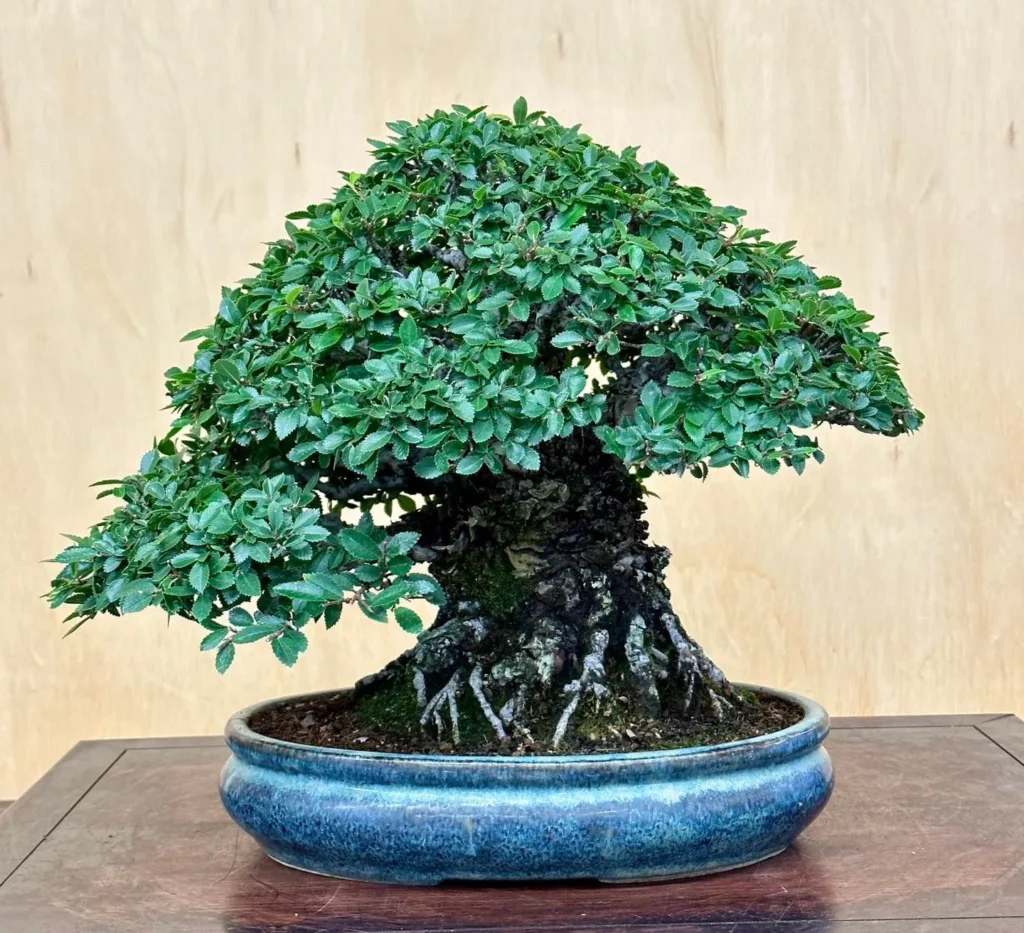
The Chinese Elm Bonsai is known for its unique and visually appealing appearance. It features small, glossy leaves that add a touch of elegance to the tree. As the bonsai matures, its bark develops a scaling texture with beautiful orange patches, adding to its charm. The fine branching pattern, known as ramification, further enhances the aesthetic appeal of the Chinese Elm Bonsai.
Key Takeaways:
- The Chinese Elm Bonsai (Ulmus parvifolia) is a popular choice for beginners due to its hardy nature.
- It can be kept both indoors and outdoors, making it a versatile bonsai tree.
- The Chinese Elm Bonsai features small leaves, rugged bark, and fine branches, giving it a visually appealing appearance.
- Proper light, watering, fertilizing, and pruning are essential for the healthy growth of a Chinese Elm Bonsai.
- The Chinese Elm Bonsai is susceptible to certain pests and diseases, but timely interventions can help maintain its health.
Appearance of Chinese Elm Bonsai
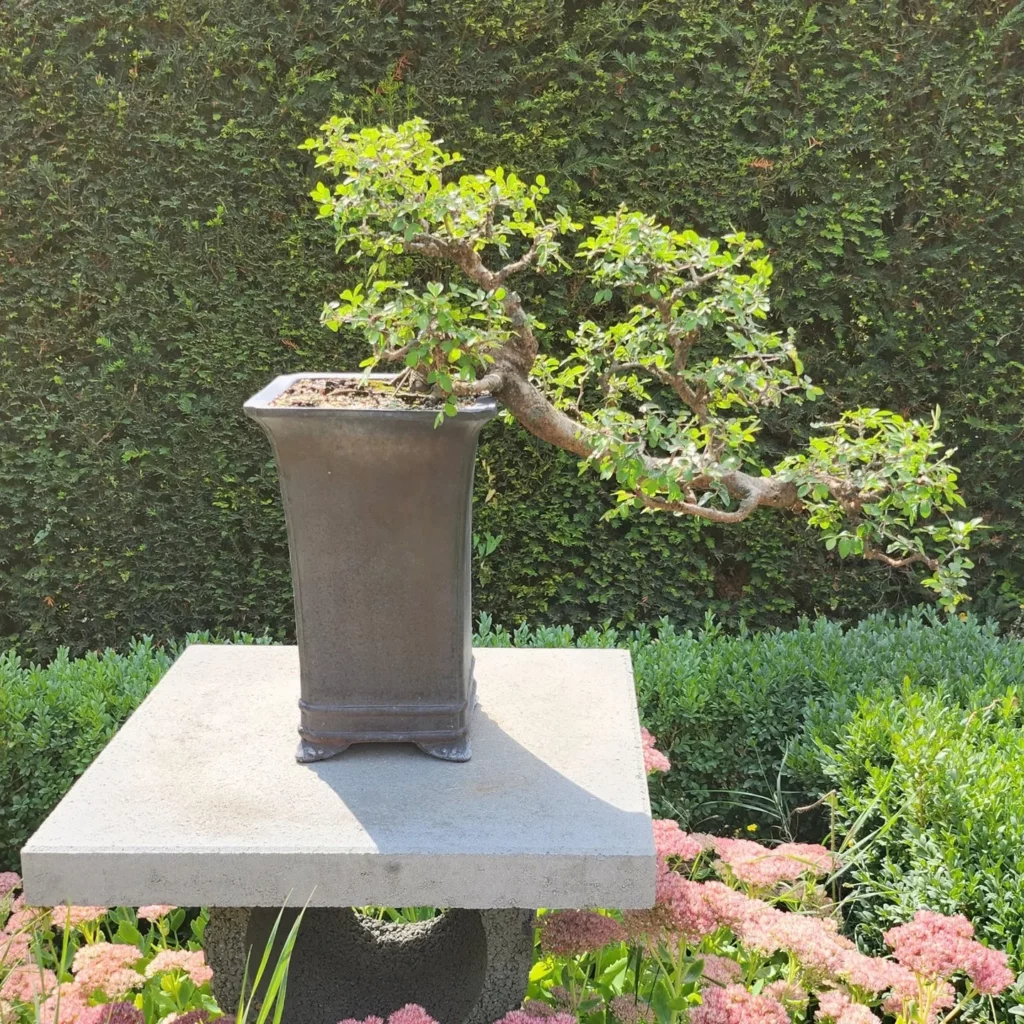
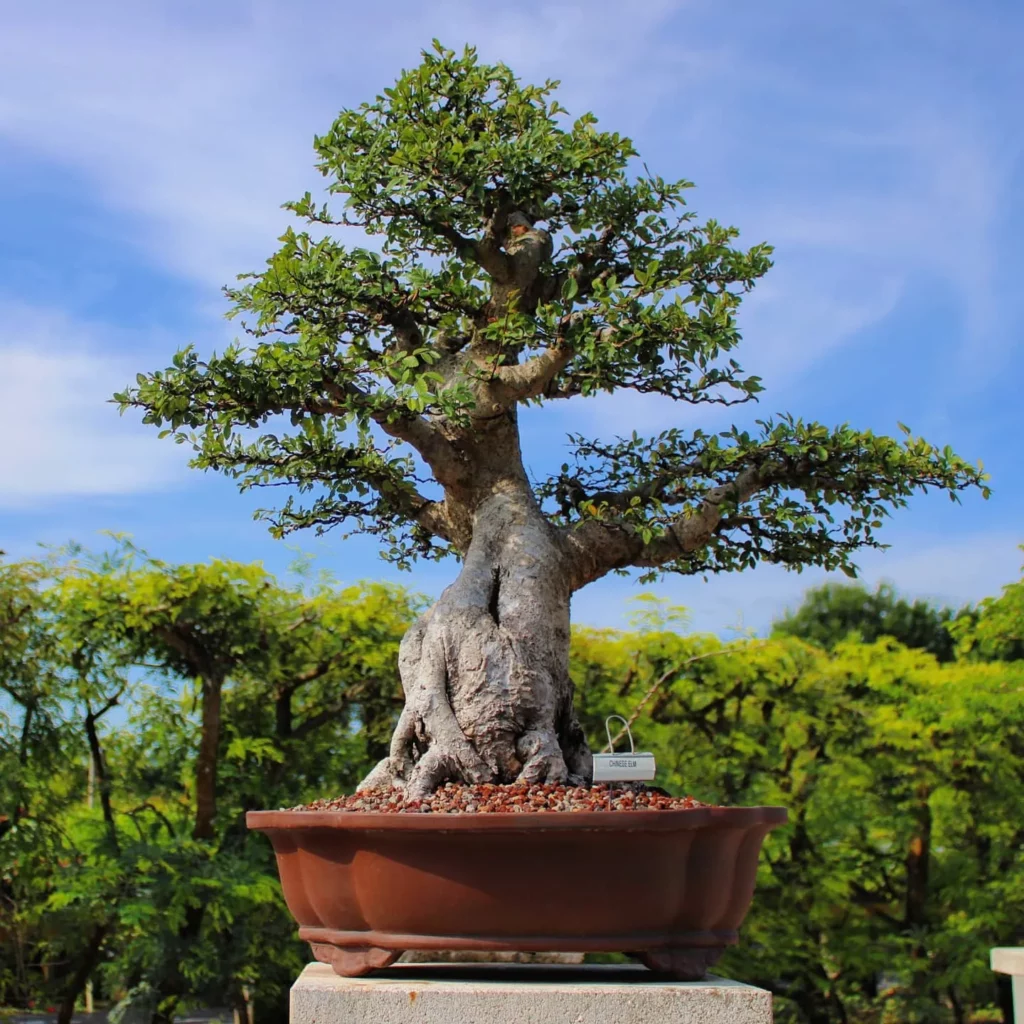

The Chinese Elm Bonsai has the potential to grow into a large and impressive tree if left untrained. However, it can also be trained to maintain a more compact size, depending on your preferences. With its striking leaves, textured bark, and fine branches, the Chinese Elm Bonsai is a delight to behold.
Key Features:
- Small, glossy leaves
- Scaling bark with orange patches
- Fine branching pattern (ramification)
- Can grow into a large tree or be trained to maintain a compact size

Light Requirements for Chinese Elm Bonsai
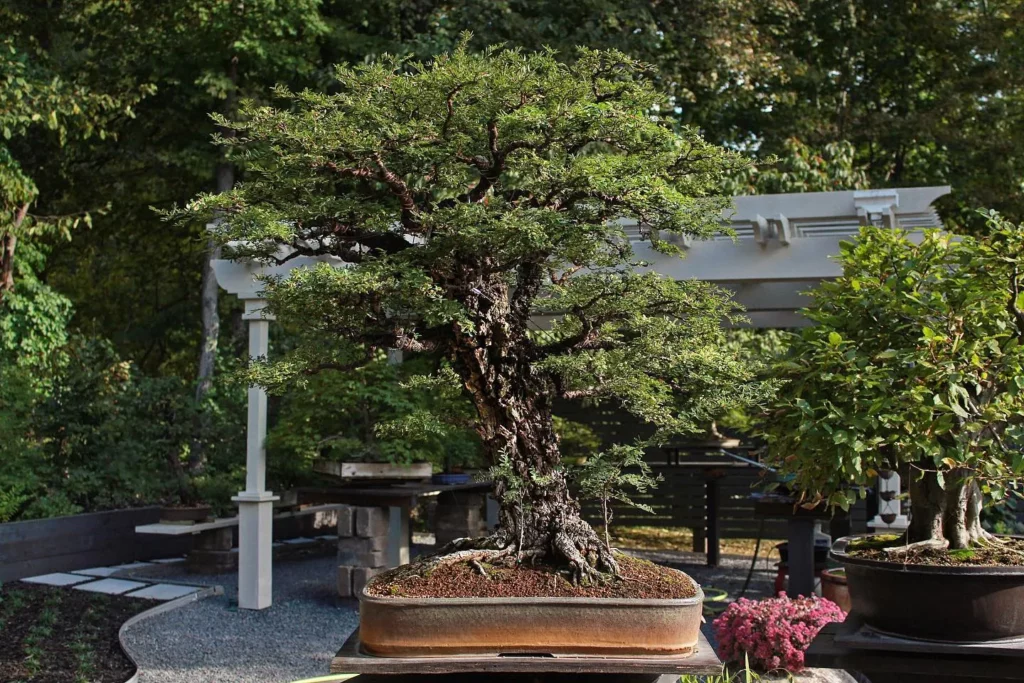
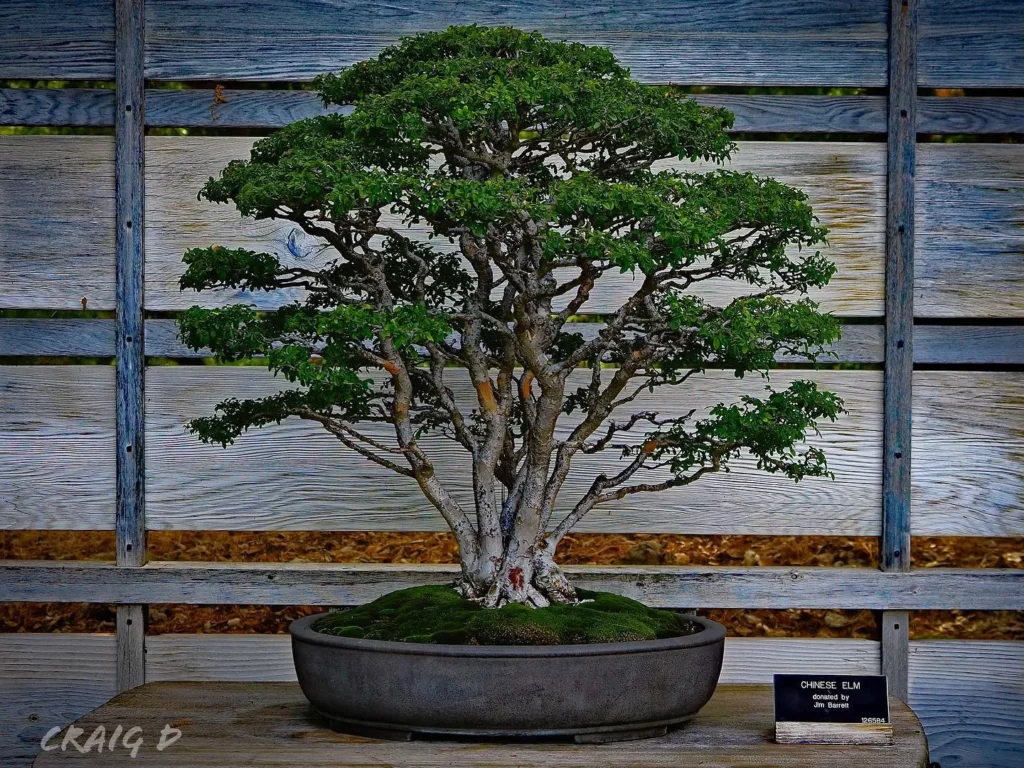

Proper lighting is crucial for the healthy growth of your Chinese Elm Bonsai. This bonsai tree thrives in a location that receives either full sun or partial shade. If you live in a temperate climate, you can leave your Chinese Elm Bonsai outdoors throughout the year, even during the winter. However, if you have an indoor bonsai, it’s best to place it outside during the summer months to provide ample sunlight.
During the winter, when temperatures drop and sunlight is limited, it’s important to bring your Chinese Elm Bonsai indoors to a cool, frost-free room. This will protect it from the harsh winter conditions and ensure its survival. By providing the right amount of light, you can promote the overall health and vitality of your Chinese Elm Bonsai.
Here are some key points to remember:
- Chinese Elm Bonsai thrives in full sun or partial shade.
- For indoor bonsai, place it outside during the summer months.
- During winter, bring your bonsai indoors to a cool, frost-free room.
Watering Chinese Elm Bonsai


Proper watering is essential for the health and vitality of your Chinese Elm Bonsai. Here are some important tips to keep in mind:
- Observe the topsoil: Check the moisture level of the soil by inserting your finger about an inch deep. If it feels dry, it’s time to water your bonsai.
- Thorough watering: When watering your Chinese Elm Bonsai, make sure to thoroughly soak the entire root-mass. This allows the water to reach all the roots and promote healthy growth.
- Avoid overwatering: While it’s important to keep your bonsai well-hydrated, be careful not to overwater. Excessive moisture can lead to root rot and damage the health of your tree.
- Prevent underwatering: On the other hand, underwatering can cause the tree to dry out and suffer from dehydration. Make sure to water your Chinese Elm Bonsai regularly, especially during hot and dry periods.
Fertilizing Chinese Elm Bonsai


Proper fertilization is crucial for the healthy growth and development of your Chinese Elm Bonsai. By providing the right nutrients, you can ensure that your bonsai tree thrives and maintains its beauty. Here are a few key points to keep in mind when fertilizing your Chinese Elm Bonsai:
1. Selecting the right fertilizer
Choose a balanced liquid chemical fertilizer that is specifically formulated for bonsai trees. Look for a fertilizer with a balanced ratio of nitrogen, phosphorus, and potassium. This will provide the necessary nutrients for healthy foliage, root development, and overall growth. Additionally, you can supplement your fertilizer regimen with a solid organic fertilizer to promote long-term soil health.
2. Timing and frequency
Fertilize your Chinese Elm Bonsai during the growing season, which typically spans from spring to early fall. Follow the instructions on the fertilizer packaging for the recommended frequency and dosage. It’s important not to overfeed your bonsai tree, as this can lead to nutrient burn or excessive growth. Strike a balance and monitor your tree’s response to the fertilizer.
3. Application technique
Apply the liquid fertilizer according to the instructions, making sure to evenly distribute it across the soil surface. It’s essential to avoid getting the fertilizer on the foliage or trunk of the tree, as this can cause damage. For solid organic fertilizers, work them into the topsoil gently, making sure not to disturb the roots. Take care not to apply excessive amounts of fertilizer, as this can lead to salt buildup in the soil over time.
Potting Chinese Elm Bonsai


Proper potting is essential for the health and growth of your Chinese Elm Bonsai. It should be repotted every two years when young, and less frequently as it gets older and larger. Spring is the best time for repotting, as it allows the tree to establish new roots before the growing season begins.
To pot your Chinese Elm Bonsai, start by selecting a suitable pot that provides adequate drainage. The pot should have drainage holes at the bottom to prevent waterlogging. Use a well-draining soil mixture specifically designed for bonsai trees. This ensures that excess water does not accumulate around the roots, which can lead to root rot.
Steps for Potting Chinese Elm Bonsai:
- Carefully remove the tree from its current pot by loosening the root ball with a root hook or chopstick.
- Trim any long or damaged roots, and gently untangle the roots to encourage a nebari, or surface root system.
- Place a layer of bonsai soil at the bottom of the new pot, ensuring that it covers the drainage holes.
- Position the tree in the pot, making sure that it is centered and at the desired angle.
- Fill the remaining space with bonsai soil, working it around the roots to eliminate air pockets.
- Gently press down on the soil to secure the tree in place.
- Water the freshly potted Chinese Elm Bonsai thoroughly, ensuring that the soil is evenly moist.
After potting, place the tree in a location that provides the appropriate light and temperature conditions. Regularly monitor the soil moisture levels to ensure that it does not dry out or become waterlogged. With proper potting and care, your Chinese Elm Bonsai will thrive and continue to beautify your space for years to come.
Propagation of Chinese Elm Bonsai
If you’re interested in expanding your collection of Chinese Elm Bonsai trees or want to share the joy of growing this beautiful species with others, propagation is a great option. The easiest and recommended method for propagating Chinese Elm Bonsai is through cuttings. By taking cuttings from an existing tree during the late spring to early summer, you can create new bonsai trees with ease.
Propagation through cuttings
To propagate Chinese Elm Bonsai through cuttings, follow these simple steps:
- Choose a healthy branch with mature leaves from the donor tree.
- Make a clean cut just below a leaf node using a sharp and sterile pair of bonsai scissors or shears. The cutting should be around 6 inches long.
- Remove the lower leaves, leaving only a couple at the top.
- Apply rooting hormone to the cut end of the cutting to encourage root development.
- Plant the cutting in a well-draining soil mix, ensuring that the hormone-treated end is inserted at least an inch into the soil.
- Water the cutting thoroughly and place it in a sheltered spot with indirect sunlight.
- Maintain a consistently moist environment by misting the cutting regularly.
- After a few weeks, you should start to see new root growth.
- Once the roots have developed, you can transplant the new Chinese Elm Bonsai into a suitable pot.
Propagation through seeds is also possible but not commonly recommended, as it can be more challenging and time-consuming. Cuttings offer a quicker and more reliable method for producing new Chinese Elm Bonsai trees that inherit the desirable characteristics of the parent tree.
Growth and Development of Chinese Elm Bonsai
When it comes to the growth and development of your Chinese Elm Bonsai, there are a few key factors to consider. This bonsai tree has the unique ability to thicken and develop its branches quickly, allowing you to create a dense network of fine branches. To achieve this, frequent pruning is necessary. By allowing shoots to extend a few nodes before pruning them back, you promote healthy growth and encourage budding from old wood.
Shaping and wiring techniques can also be used to achieve the desired aesthetic for your Chinese Elm Bonsai. By carefully manipulating its branches and foliage, you can create stunning artistic designs. However, it’s crucial to remember that these techniques should be done with care and consideration for the tree’s health. Avoid excessive wiring or harsh pruning, as these can cause stress and damage to your bonsai.
Key tips for the growth and development of your Chinese Elm Bonsai:
- Regular pruning to promote branching and budding.
- Allow shoots to extend a few nodes before pruning them back.
- Use shaping and wiring techniques to create artistic designs.
- Be careful not to overwire or prune excessively.
Pests and Diseases of Chinese Elm Bonsai
Just like any other plant, Chinese Elm Bonsai trees are susceptible to pests and diseases. Being aware of common issues and taking preventive measures can help keep your bonsai healthy and thriving. Here are some pests and diseases you should watch out for:
Pests:
- Spider Mites: These tiny pests can cause damage by sucking sap from the leaves, resulting in yellowing and wilting. Regularly inspect your bonsai for spider mite webs and treat them with appropriate pesticides if necessary.
- Scale Insects: Scale insects are known for their protective shells and can be found on the leaves and branches of the Chinese Elm Bonsai. They feed on plant sap, causing damage. Remove them manually or use suitable pesticides to control their population.
Diseases:
- Fungal Diseases: Chinese Elm Bonsai trees can be susceptible to fungal infections, such as powdery mildew and root rot. These diseases thrive in humid conditions, so ensure proper air circulation and avoid overwatering to prevent fungal growth.
- Bacterial Infections: Bacterial infections can cause issues like leaf spots, cankers, and stem rots. Maintain good hygiene and promptly remove any infected parts to prevent the spread of bacteria.
The Chinese Elm Bonsai Tree – General Information
The Chinese Elm Bonsai is a popular choice for bonsai enthusiasts, especially beginners. This tree is known for its adaptability and resilience, making it an excellent option for both indoor and outdoor cultivation. With its small leaves, beautiful bark, and delicate branches, the Chinese Elm Bonsai offers a visually appealing addition to any bonsai collection.
Often mistaken for the Japanese zelkova or Siberian elm, the Chinese Elm Bonsai has its own distinct characteristics that set it apart. It has glossy small leaves and develops a scaling texture on its bark, with orange patches as it matures. The fine branching pattern adds to its unique aesthetic appeal.
While cultivating the Chinese Elm Bonsai, it’s important to provide proper care and maintenance. This includes ensuring adequate light, watering, and fertilizing, as well as practicing regular pruning to promote healthy growth and development. With proper attention and care, you can enjoy the beauty and art of cultivating this stunning bonsai tree.
Tips and Tricks for Chinese Elm Bonsai Care
Taking care of your Chinese Elm Bonsai is a rewarding and fulfilling experience. To ensure its health and longevity, here are some essential tips and tricks to follow:
1. Provide Proper Light:
Chinese Elm Bonsai thrives in bright, indirect sunlight. Place your tree in a location that receives at least 6-8 hours of sunlight per day. If you keep it indoors, choose a spot near a window or use artificial grow lights to provide adequate light.
2. Water Regularly:
Proper watering is crucial for the well-being of your Chinese Elm Bonsai. Check the soil moisture regularly and water when the top inch feels slightly dry. Avoid overwatering or allowing the soil to become waterlogged, as this can lead to root rot. Remember, the right balance is key.
3. Fertilize with Care:
Feed your Chinese Elm Bonsai with a balanced liquid fertilizer during the growing season. Follow the manufacturer’s instructions for the correct dosage. However, avoid overfertilizing, as this can cause salt buildup and harm the tree. During the dormant winter months, refrain from fertilizing.
4. Prune and Shape:
Regular pruning is essential for maintaining the shape and density of your Chinese Elm Bonsai. As new shoots grow, trim them back to a few nodes to encourage branching and a compact form. Use bonsai pruning shears to make clean cuts and maintain the desired aesthetic.
FAQ
What is the Chinese Elm Bonsai?
The Chinese Elm Bonsai (Ulmus parvifolia) is a popular bonsai tree known for its hardy nature and attractive appearance.
What does the Chinese Elm Bonsai look like?
The Chinese Elm Bonsai has small glossy leaves, rugged bark with orange patches as it matures, and a fine branching pattern.
Where should I place my Chinese Elm Bonsai?
The Chinese Elm Bonsai thrives in a location that receives either full sun or partial shade. It can be kept both indoors and outdoors.
How often should I water my Chinese Elm Bonsai?
Regular watering is necessary for the Chinese Elm Bonsai, but it cannot tolerate prolonged drought or constant moisture. Water when the topsoil is dry.
How should I fertilize my Chinese Elm Bonsai?
Use a combination of solid organic fertilizer and a well-balanced liquid chemical fertilizer during the growing season. No fertilization is needed during winter.
How often should I repot my Chinese Elm Bonsai?
Young Chinese Elm Bonsai trees should be repotted every two years. Older and larger trees can be repotted in longer intervals.
How can I propagate Chinese Elm Bonsai?
The easiest method for propagation is through cuttings taken during late spring to early summer. Plant them in a well-draining soil mix with rooting hormone.
How do I promote branching and growth in my Chinese Elm Bonsai?
Frequent pruning and allowing shoots to extend before pruning back can help achieve a dense network of fine branches.
What pests and diseases should I watch out for with my Chinese Elm Bonsai?
Spider mites and scale insects can infest the Chinese Elm Bonsai. Regular spraying with water and appropriate pesticides can help deter pests and diseases.
What are some general characteristics of the Chinese Elm Bonsai?
The Chinese Elm Bonsai is a strong and adaptable tree that reacts well to pruning. It can be kept both outdoors and indoors.
What are some tips and tricks for caring for a Chinese Elm Bonsai?
Providing proper light, watering, fertilizing, and pruning is vital. Understanding the tree’s needs and intervening in a timely manner can help maintain its health.