The Bougainvillea bonsai is a beloved variety of bonsai tree that has captured the hearts of bonsai enthusiasts worldwide. Originating from South America, this stunning bonsai tree is known for its vibrant colors and beautiful flowers, making it a popular choice among gardeners.
The Beauty and Popularity of Bougainvillea Bonsai
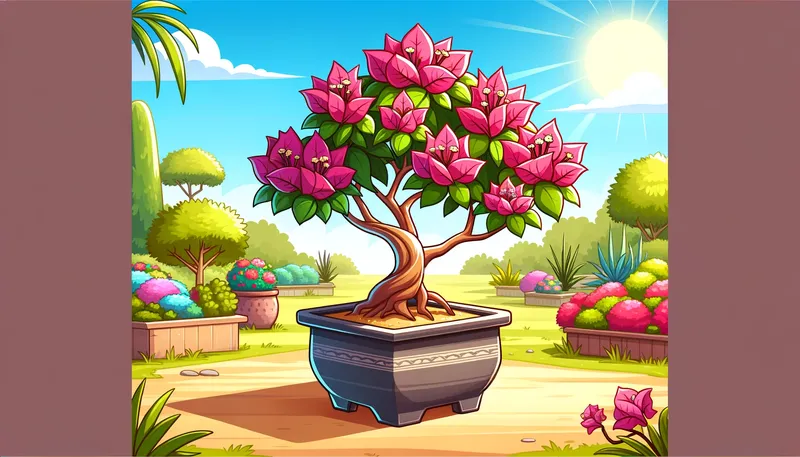
Belonging to the Nyctaginaceae family, which comprises about 300 species of flowering plants, the Bougainvillea bonsai showcases its unique and captivating beauty through its eye-catching blooms.
While the Bougainvillea bonsai can grow up to 30 feet tall in its natural habitat, it can be pruned and cultivated to fit into small pots, making it a wonderful addition to any bonsai collection or garden.
Whether you’re a seasoned bonsai enthusiast or just starting out, the Bougainvillea bonsai’s popularity and striking aesthetics are sure to impress and bring joy to any gardening endeavor.
Importance of Proper Care and Maintenance

Proper care and maintenance are essential for the healthy growth and longevity of your Bougainvillea Bonsai. By implementing the right practices, you can ensure that your bonsai thrives and continues to beautify your living space.
Here are some key areas to focus on:
Soil Quality
The soil quality is crucial for the well-being of your Bougainvillea Bonsai. These trees prefer well-draining soil with a high content of organic matter. This helps to prevent waterlogging and encourages optimal root health. Ensure that the soil is not too compacted and provides good aeration for the roots to grow.
Watering Techniques
Watering your Bougainvillea Bonsai requires a delicate balance. Overwatering can lead to root rot, while under watering can result in stunted growth or even death. Monitor the moisture levels in the soil and water your bonsai when the top inch of soil feels dry to the touch. It’s important to water thoroughly, allowing the water to penetrate the entire root system.
Pruning Techniques
Pruning plays a significant role in maintaining the shape and health of your Bougainvillea Bonsai. Regular pruning helps to prevent branches from becoming too heavy or overgrown. It also promotes better air circulation within the tree, reducing the risk of fungal infections. Trim excess growth and shape your bonsai tree to keep it looking neat and visually appealing.
Common Pathogens That Affect Bougainvillea Bonsai
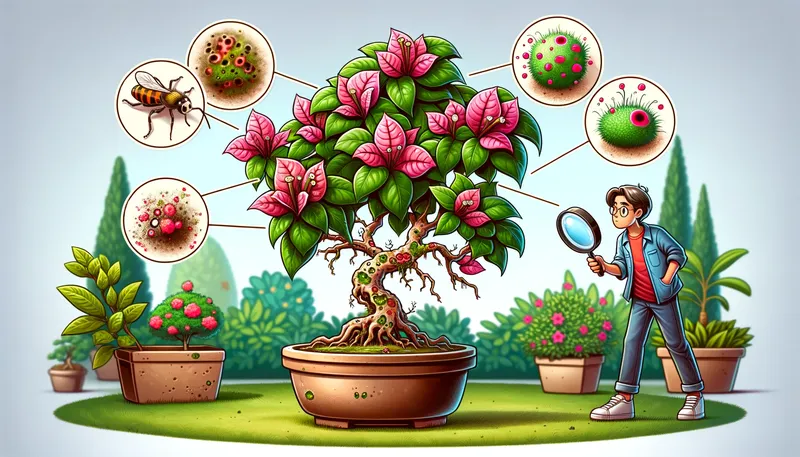
Bougainvillea Bonsai, like any other plant, can be affected by various pathogens that can hinder its growth and health. Understanding and identifying these common pathogens is essential in maintaining the well-being of your Bougainvillea Bonsai.
Fungi:
- Fungal infections are a frequent occurrence in Bougainvillea Bonsai and can be attributed to factors such as overwatering or poor air circulation.
- Common fungal infections that affect Bougainvillea Bonsai include powdery mildew and leaf spot disease.
- These infections can cause discoloration, wilting, and damage to the leaves and overall appearance of the plant.
Bacteria:
- Bacterial infections can lead to decay or even death in severe cases, posing a significant threat to the health of Bougainvillea Bonsai.
- Common bacterial infections affecting Bougainvillea Bonsai include bacterial blight and Crown Gall.
- These infections can damage the stems, leaves, and roots of the plant, hindering its growth and overall health.
Viruses:
- Viral infections are challenging to identify and can cause leaf discoloration, distortion, and other abnormalities in the Bougainvillea Bonsai.
- These infections can weaken the plant’s immune system, making it susceptible to other pests and diseases.
Pests:
- Pests like spider mites and mealybugs can infest Bougainvillea Bonsai, causing damage to the leaves, stems, and overall structure of the plant.
- These pests feed on the sap of the plant and can weaken its health, making it more vulnerable to other pathogens.
Prevention Techniques
Preventing pathogens from infecting or infesting your Bougainvillea Bonsai is essential for its health and longevity. By implementing proper prevention techniques, you can minimize the risk of disease and ensure your bonsai thrives.
Proper Watering
One crucial prevention technique is proper watering. Use well-draining soil to prevent waterlogging, which can lead to fungal infections. Avoid overwatering, as it can create a moist environment that promotes pathogen growth. On the other hand, under watering can weaken the tree and make it more vulnerable to diseases.
Adequate Sunlight
Adequate sunlight exposure is another key factor in preventing pathogen infestation. Bougainvillea Bonsai thrives in full sun, so ensure it gets at least six hours of direct sunlight each day. Sunlight helps strengthen the plant’s immune system and reduces its susceptibility to diseases.
Soil Quality
Soil quality management is crucial for preventing pathogen attacks. Use high-quality organic fertilizers to promote healthy growth and nutrient uptake. Well-nourished plants are more resistant to diseases. Additionally, maintain good soil drainage to prevent waterlogged conditions, which can attract pathogens.
Pruning Techniques
Pruning techniques play a significant role in preventing pathogen infestation. Regularly prune your Bougainvillea Bonsai to maintain its shape, size, and overall health. Proper pruning reduces the risk of overgrowth and ensures good airflow, preventing fungal infections. Remove any dead or diseased branches promptly.
Treatment Options for Infected Plants
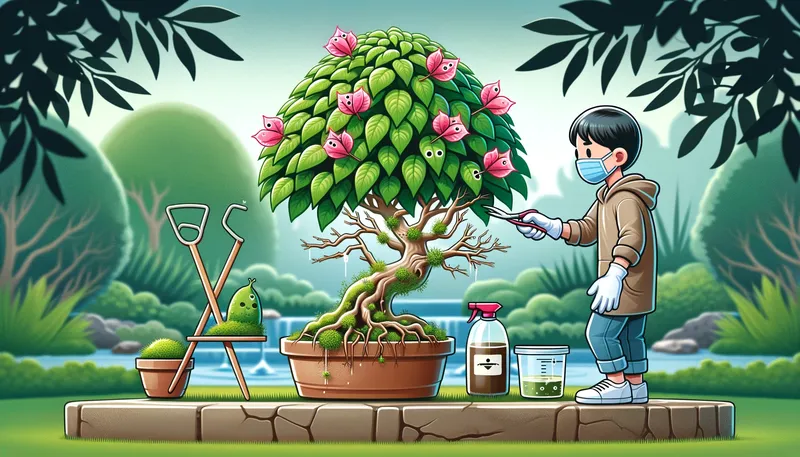
If your Bougainvillea Bonsai becomes infected with pathogens, there are various treatment options available. It’s important to take swift action to restore your plant’s health and protect it from further damage.
Chemical Treatments
Chemical treatments, such as insecticides, fungicides, and bactericides, can effectively kill pathogens and help restore your Bougainvillea Bonsai’s vitality. These treatments are specifically formulated to target and eliminate the specific pathogens causing the infection. However, it’s crucial to exercise caution when using chemical treatments to avoid any harm to non-target organisms and the environment. Follow the instructions provided with the product for proper application and dosage.
Natural Remedies
If you prefer a more natural approach or want to minimize the use of chemicals, there are several natural remedies that can be effective in treating pathogen infections in Bougainvillea Bonsai. Soap sprays and neem oil are commonly used and have shown positive results in controlling pest infestations. These natural remedies provide a low-risk option for managing infections and can be easily applied by following the instructions.
Physical Management
Physical management is another important aspect of treating infected Bougainvillea Bonsai. Early detection and removal of infected leaves or branches can help contain the spread of pathogens and prevent further damage. Regularly inspect your plant for any signs of infection, such as discoloration, spots, or abnormalities. If you identify infected areas, carefully prune or remove them to reduce the pathogens’ presence.
- Inspect your Bougainvillea Bonsai regularly for signs of infection
- Prune or remove infected leaves or branches to prevent further spread
- Dispose of infected plant material properly to avoid recontamination
Bougainvillea Bonsai: An Ornamental Challenge
Keeping ornamental plants like Bougainvillea Bonsai can be a rewarding endeavor, but it also comes with its fair share of challenges. One of the main challenges you may face is maintaining the right watering routine for your bonsai tree. It’s important to find a balance between providing enough water for the plant’s health and avoiding excessive moisture that can lead to fungal outbreaks.
Fungal infections in plants often manifest as discoloration of leaves, resembling sunburn rather than grotesque growths. These infections can be particularly problematic for ornamental plants like Bougainvillea Bonsai, as they can affect the plant’s aesthetic value. To prevent such issues, it’s crucial to be aware of the specific fungal threats that can target your bonsai tree.
Maple fungi, such as Aureobasidium apocryptum and Discula campestris, are common culprits for fungal infections in bonsai trees. These fungi can cause leaf discoloration, spots, or even leaf drop, impacting the overall appearance of your Bougainvillea Bonsai.
Watering Challenges for Ornamental Plants
When it comes to watering your Bougainvillea Bonsai, there are a few challenges you may encounter. Overhead watering, for example, can result in prolonged soil moisture, creating ideal conditions for fungal outbreaks. It’s important to ensure that water does not sit on the leaves for too long, as this can promote the growth of fungi.
Another challenge is achieving the right balance between underwatering and overwatering. Both extremes can have negative consequences on the health of your bonsai tree. Underwatering can result in stunted growth, wilting, and even death, while overwatering can lead to root rot and fungal infections.
Preventing Fungal Outbreaks
To prevent fungal outbreaks in your Bougainvillea Bonsai, there are several measures you can take:
- Water your bonsai tree carefully and avoid overhead watering whenever possible.
- Ensure proper drainage by using well-draining soil and a pot with drainage holes.
- Avoid waterlogging by allowing the soil to dry out slightly between waterings.
- Provide adequate air circulation around the plant to reduce moisture buildup.
- Regularly inspect your bonsai tree for signs of fungal infection and take prompt action if detected.
Anthracnose: A Common Bougainvillea Bonsai Fungal Pathogen
Anthracnose is a common fungal disease that can affect your Bougainvillea Bonsai. It is also known to affect other plants in your garden. This fungal infection can cause dark, sunken lesions on the leaves, stems, flowers, and fruits of your bonsai tree.
One of the main symptoms of anthracnose is the appearance of yellow or brown spots on the leaves. If left untreated, these spots can lead to fruit rot and twig dieback. It is crucial to identify and address this fungal disease promptly to protect the health and vitality of your Bougainvillea Bonsai.
Symptoms of Anthracnose
When your Bougainvillea Bonsai is infected with anthracnose, you may notice several symptoms:
- Yellow or brown spots on the leaves
- Fruit rot
- Twig dieback
Control and Prevention Measures
To control and prevent anthracnose in your Bougainvillea Bonsai, consider the following measures:
- Remove and destroy infected plants: If you identify any signs of anthracnose, remove the infected plants from your bonsai collection. Safely dispose of them to avoid spreading the disease.
- Spray with copper-based fungicides: Apply copper-based fungicides to the affected plants according to the manufacturer’s instructions. These fungicides can help suppress and control the growth of anthracnose.
- Plant resistant varieties: When selecting new Bougainvillea Bonsai plants for your collection, choose varieties that are known to be resistant to anthracnose. This can help reduce the risk of infection in the future.
Verticillium Wilt: A Severe Bougainvillea Bonsai Pathogen
Verticillium Wilt is a severe pathogen that can have devastating effects on Bougainvillea Bonsai and other plants. This fungal disease attacks the vascular system of the plant, inhibiting water and nutrient flow. As a result, Bougainvillea Bonsai may exhibit various symptoms, including wilting, stunted growth, yellowing of leaves, tissue necrosis, and defoliation.
The spread of Verticillium Wilt can occur through root contact and air-borne conidia, making it crucial to implement preventive measures. Recognizing the symptoms is essential for early identification and intervention.
Common Symptoms of Verticillium Wilt:
- Wilting of leaves and branches
- Stunted growth
- Yellowing or browning of leaves
- Tissue necrosis
- Defoliation
To prevent the spread of Verticillium Wilt in Bougainvillea Bonsai, fungicidal seed treatment can be advantageous. This treatment helps protect the seeds from fungal pathogens and minimize the risk of infection. It is recommended to consult with a professional or refer to product instructions for proper fungicidal seed treatment.
Conclusion
Bougainvillea Bonsai is a beautiful and vibrant plant, but it is not immune to pathogens. Fungi, bacteria, viruses, and pests can all pose a threat to the health of your Bougainvillea Bonsai. However, by implementing effective prevention techniques, you can greatly reduce the risk of infection.
Proper watering, ensuring adequate sunlight exposure, managing soil quality, and practicing regular pruning are all key prevention techniques. These measures create a healthy and resilient environment for your Bougainvillea Bonsai.
In the unfortunate event that your Bougainvillea Bonsai does become infected, there are treatment options available. Chemical treatments, such as insecticides, fungicides, and bactericides, can effectively eliminate pathogens and restore the plant’s health. Alternatively, natural remedies like soap sprays and neem oil offer low-risk options for dealing with pest infestations.
After this check out our other articles on:
FAQ
What is Bougainvillea bonsai?
Bougainvillea bonsai is a popular type of bonsai tree known for its vibrant colors and beautiful flowers. It is a variety of bonsai tree native to South America, belonging to the Nyctaginaceae family.
Why is proper care and maintenance important for Bougainvillea bonsai?
Proper care and maintenance are crucial for the healthy growth and longevity of Bougainvillea bonsai. This includes soil quality management, watering techniques, and pruning to ensure the plant stays healthy and attractive.
What are some common pathogens that affect Bougainvillea bonsai?
Bougainvillea bonsai is susceptible to various pathogens, including fungi, bacteria, viruses, and pests. Fungal infections like powdery mildew and leaf spot disease, bacterial infections like bacterial blight and Crown Gall, viral infections, and pests like spider mites and mealybugs can all affect the health of the plant.
How can I prevent pathogens from infecting my Bougainvillea bonsai?
Prevention techniques include proper watering techniques, adequate sunlight exposure, soil quality management, and pruning. These measures reduce the risk of infection and promote the healthy growth of your Bougainvillea bonsai.
What are the treatment options for Bougainvillea bonsai infected with pathogens?
Treatment options include chemical treatments like insecticides, fungicides, and bactericides, as well as natural remedies like soap sprays and neem oil. Physical management, such as removing infected leaves or branches, is also effective in managing infestations.
What are some challenges associated with keeping Bougainvillea bonsai?
Watering can be a challenge, as overwatering can lead to fungal outbreaks. Maple fungi, such as Aureobasidium apocryptum and Discula campestris, are common culprits for fungal infections in bonsai trees.
What is anthracnose and how does it affect Bougainvillea bonsai?
Anthracnose is a common fungal disease that affects Bougainvillea bonsai. It causes dark, sunken lesions on leaves, stems, flowers, and fruits. Control and prevention measures include removing and destroying infected plants, spraying with copper-based fungicides, and planting resistant varieties.
What is Verticillium Wilt and how does it affect Bougainvillea bonsai?
Verticillium Wilt is a severe pathogen that affects Bougainvillea bonsai. It causes wilting, stunting, yellowing of leaves, tissue necrosis, and defoliation. Fungicidal seed treatment can help prevent the spread of the pathogen.
How can I protect my Bougainvillea bonsai from pathogens?
Implementing prevention techniques, such as proper watering, sunlight exposure, soil management, and pruning, can reduce the risk of infection. Regular monitoring and prompt action are essential to maintain the health and vitality of your Bougainvillea bonsai.