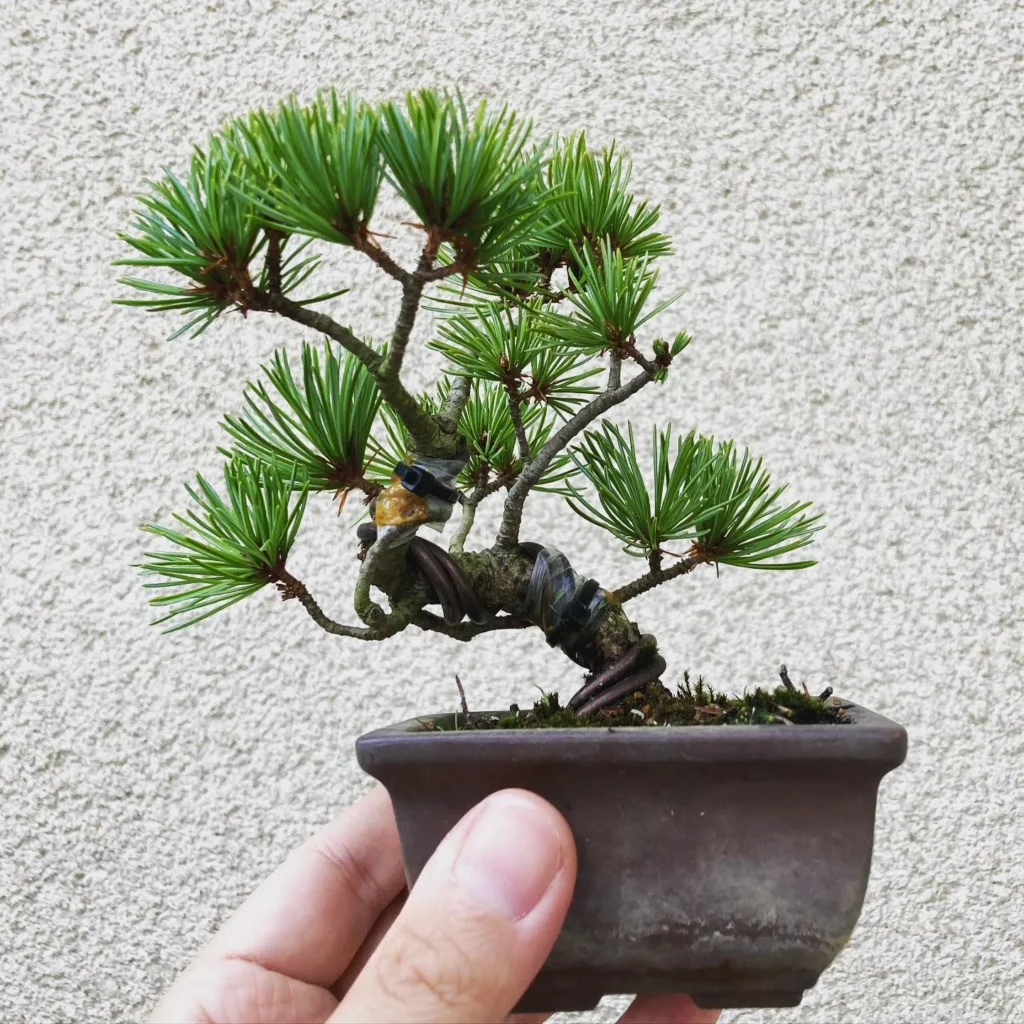
One of the essential tools in shaping and training bonsai trees is bonsai wire. With bonsai wire, you have the power to gently bend and secure branches, guiding them into the desired position to create aesthetically pleasing forms.
Bonsai wire works by applying pressure to the branches, encouraging them to grow in a specific direction. By carefully selecting the minimum amount of wire necessary and using the right technique, you can effectively manipulate the branches while ensuring that the wire doesn’t distract from the natural beauty of the tree.
When it comes to choosing bonsai wire, copper wire is often preferred for coniferous trees, while aluminum wire is suitable for deciduous trees. Each type of wire provides different levels of flexibility and strength, allowing you to work with various tree species and branch sizes.
However, mastering the art of wiring requires practice and patience. You will need to wire two branches with one wire to achieve maximum holding power. It’s important to ensure that the wire just touches the branch before bending it, and that the wire is evenly spaced along the branch to prevent hotspots.
Avoid crossing wires and having more than three parallel wires along a branch, as this can hinder the tree’s growth and cause damage. If necessary, you can use guy wires as a last resort, but remember that small-gauge wire is ideal for most wiring applications.
Bonsai wire is a valuable tool that allows you to shape and train your bonsai trees into exquisite forms. With practice and careful technique, you can create stunning bonsai displays that captivate the eye and evoke a sense of natural beauty.
Pruning Shears: Controlling Growth and Shape

Pruning shears are essential tools for maintaining and shaping your bonsai trees. By using these specialized shears, you can control the growth and appearance of your miniature masterpieces with precision and finesse.
When it comes to pruning bonsai trees, it’s crucial to identify the branches that require attention. By selectively removing unwanted or overgrown branches, you can maintain the bonsai’s compact form and promote healthier growth. Pruning also stimulates the growth of new foliage, ensuring your bonsai remains vibrant and aesthetically pleasing.
Using pruning shears, make clean cuts just above the node or bud to minimize damage and encourage proper healing. This technique helps prevent any unsightly stubs and allows your bonsai tree to thrive.
Remember, taking care of your pruning shears is just as important as using them effectively. After each use, wipe the blades clean to remove any sap or debris. A light coating of oil will help prevent rust and keep the shears in optimal condition, ready for your next pruning session.
Pruning Techniques
Here are some pruning techniques that can help you control the growth and shape of your bonsai trees:
- Branch Selection: Identify the branches that need to be pruned to maintain the desired shape.
- Clean Cuts: Use pruning shears to make precise cuts just above the node or bud, ensuring minimal damage.
- Remove Unsightly Growth: Eliminate any branches that disrupt the overall harmony and balance of your bonsai tree.
- Promote New Growth: Prune selectively to encourage the growth of new foliage and maintain the bonsai’s vitality.
Humidity Tray or Stand: Maintaining Proper Moisture Levels

A humidity tray or stand is an essential tool for maintaining the proper moisture levels for your bonsai trees. By creating a humid microenvironment around the tree, it prevents drying out and promotes healthy growth. Not only does it benefit the tree, but it also protects your furniture from potential water damage.
There are various options available when it comes to choosing a humidity tray or stand. Wooden trays, plastic trays, and ceramic stands each offer their own unique benefits. Consider the size and style of your bonsai trees when making your selection. Additionally, ensure that the tray or stand has proper drainage to avoid water accumulation.
Regular maintenance is key when using a humidity tray or stand. Keep a close eye on the moisture levels and refill the tray with water as needed to maintain the desired humidity levels for your bonsai trees. This will help ensure their overall health and well-being.
Fertilizer: Promoting Healthy Growth

In order to promote healthy growth in your bonsai trees, it is essential to provide them with the proper nutrition. Fertilizer plays a crucial role in nourishing your miniature masterpieces and ensuring their vitality. By applying the right fertilizer at the right time, you can optimize the growth and overall health of your bonsai trees.
Organic Fertilizers for Slow-Release Nutrients
Organic fertilizers are an excellent choice for promoting healthy growth in your bonsai trees. Options such as fish emulsion or compost provide slow-release nutrients that nourish your trees over time. These natural fertilizers not only supply the essential elements your bonsai needs but also contribute to the long-term health of the soil.
Inorganic Fertilizers for Quick Nutrient Boosts
In addition to organic fertilizers, you can also consider using inorganic fertilizers to give your bonsai trees a quick nutrient boost. Liquid or pellet forms of fertilizers are readily available and can provide the necessary nutrients that your trees require for vibrant growth. These synthetic fertilizers are formulated to deliver an immediate and concentrated dose of essential elements.
Choosing the Right Fertilizer
When selecting a fertilizer for your bonsai trees, it is important to consider their specific needs. Different species have varying nutritional requirements, so choose a fertilizer that meets those requirements. Additionally, pay attention to the fertilizer’s N-P-K ratio, which indicates the relative amounts of nitrogen, phosphorus, and potassium it contains. Research the specific fertilizer types suitable for your bonsai trees and follow the recommended dosage instructions accordingly.
Fertilizing at the Right Time
Fertilization timing is critical for the healthy growth of your bonsai trees. During the active growing season, typically spring to fall, bonsai trees are in their most vigorous growth phase. This is when they require additional nutrients to support their development. It is important to provide regular fertilization during this period to ensure optimal growth and vitality.
Transitioning Newly Acquired Bonsai Trees
When you acquire a new bonsai tree, it is crucial to aid its transition to its new environment. Fertilization can play a pivotal role in this process by providing the necessary nutrients for the tree to establish itself. Consult with a bonsai expert, nursery, or reliable source to determine the ideal fertilization approach for your newly acquired bonsai.
Light/Soil Meter: Monitoring Light and Moisture Levels
When it comes to maintaining the optimal light and moisture conditions for your bonsai trees, a light/soil meter is an essential device. With its light meter function, you can accurately determine the intensity of sunlight reaching your bonsai trees. This knowledge is crucial for understanding their light requirements and ensuring they receive the right amount of sunlight for healthy growth.
The soil moisture meter function of the device allows you to measure the moisture content in the soil. This information is vital for proper moisture monitoring, as bonsai trees require precise watering to avoid under or overwatering. By using a light/soil meter, you can make informed decisions about sunlight positioning and watering, ensuring the well-being and longevity of your bonsai trees.
Using a light/soil meter is simple and convenient. Simply insert the probe into the soil, and the device will provide accurate readings for both light and moisture levels. By regularly monitoring these factors, you can create an environment that supports the optimal growth and health of your bonsai trees.
Bonsai Light Requirements:
- Full Sun: Bonsai trees that require full sun thrive in direct sunlight for 6-8 hours a day.
- Partial Sun: Bonsai trees that prefer partial sun thrive in filtered light or moderate shade.
- Indoor Light: Some bonsai trees are better suited for indoor environments with bright, indirect light.
Moisture Monitoring:
- Regularly check the moisture levels of the soil using the soil moisture meter function of the light/soil meter.
- Water your bonsai trees when the soil moisture level indicates it is dry but not completely depleted.
- Avoid overwatering, which can lead to root rot, and underwatering, which can cause stress and dehydration.
Wire and Wire Cutters: Shaping and Training Techniques

Bonsai wire and wire cutters are essential tools for shaping and training your bonsai trees. With the help of bonsai wire, you can gently guide the branches into the desired shape, creating stunning miniature masterpieces. Wire cutters, on the other hand, allow you to safely remove the wire once the branches have set into position, ensuring the health and growth of your bonsai tree.
When using bonsai wire, it is crucial to select the appropriate gauge for the size and flexibility of the branches. This helps prevent damage to the branches and promotes a more natural-looking shape. Additionally, wiring two branches with one wire ensures maximum holding power and reduces the visual distraction of multiple wires along the branches.
It is important to avoid crossing wires or using too many parallel wires on a single branch. This can lead to uneven pressure and damage to the branches. Instead, ensure that the wire just touches the branch before bending and evenly space the wire to prevent hotspots.
Wire cutters are specifically designed to make clean and precise cuts, allowing you to remove the wire without causing any harm to the branches. By using high-quality wire cutters, you can avoid crushing or damaging the branches, ensuring the continued health and vitality of your bonsai tree.
Bonsai Wire and Wire Cutters Best Practices:
- Select the correct wire gauge for branch size and flexibility
- Wire two branches with one wire for maximum holding power
- Avoid crossing wires or having too many parallel wires
- Ensure the wire just touches the branch before bending
- Evenly space the wire to prevent hotspots
- Use high-quality wire cutters for clean and precise cuts
Larger Pot with Fresh Soil: Upgrading and Repotting
As bonsai trees grow, they require more space for their root systems to spread and absorb nutrients. Upgrading to a larger pot with fresh soil is an important step in the ongoing care of bonsai trees.
When selecting a new pot, it’s important to choose one that is slightly larger than the current pot but proportionate to the tree’s size. A pot that is too large may retain excess moisture and lead to root rot, while a pot that is too small may restrict root growth.
Repotting allows for root expansion and provides fresh soil that replenishes vital nutrients. The new soil creates a nutrient-rich environment for your bonsai, promoting healthy growth and development.
Here are some key steps to follow when upgrading and repotting your bonsai tree:
- Carefully remove the tree from its current pot, ensuring not to damage the roots.
- Gently remove some of the old soil from the root ball using a bonsai root rake or chopsticks.
- Inspect the roots for any signs of rot, pruning away any dead or damaged roots.
- Select a new pot that is slightly larger than the current one, ensuring it has proper drainage holes.
- Place a layer of fresh bonsai soil at the bottom of the new pot.
- Position the bonsai tree in the center of the pot, ensuring the roots are evenly spread out.
- Gradually fill the remaining space in the pot with fresh bonsai soil, gently tamping it down to eliminate air pockets.
- Water the repotted bonsai thoroughly, ensuring the soil is evenly moist.
- Place the bonsai in a location with appropriate lighting and continue regular care and maintenance.
Essential Care Tips: How to Properly Maintain and Nurture Your Bonsai Trees in Your Outdoor Space
Proper care is essential for maintaining and nurturing bonsai trees in your outdoor space. By following these essential care tips, you can ensure the health and vitality of your miniature masterpieces.
Choose the Right Bonsai Tree
When selecting a bonsai tree for your outdoor area, consider the climate and sunlight exposure. Different bonsai tree species have specific requirements, so choose one that is well-suited to your local conditions.
Master Watering Techniques
Proper watering is crucial for bonsai tree care. Regularly check the moisture level of the soil by inserting your finger about an inch deep. Water thoroughly when the soil feels slightly dry, but avoid overwatering, which can lead to root rot. Allow excess water to drain out completely.
Practice Regular Pruning and Shaping
Regular pruning and shaping sessions are essential for maintaining the aesthetic appeal and overall health of your bonsai trees. Remove any dead, weak, or overgrown branches to maintain a balanced shape. Use sharp bonsai pruning shears for clean cuts and avoid leaving stubs.
Fertilize with Care
Fertilizing your bonsai trees at the right time and with the right nutrients promotes healthy growth. Use a balanced bonsai fertilizer and follow the recommended dosage instructions. Apply the fertilizer evenly around the root system, taking care not to over-fertilize, which can burn the roots.
Protect from Extreme Weather Conditions
Extreme weather conditions, such as winter frost and strong winds, can be detrimental to bonsai trees. Protect your trees by providing adequate shelter, such as moving them indoors during harsh winters or placing them in a protected area. Wrapping the pots with insulation can also help.
The Rewards of Bonsai Care
Caring for bonsai trees is a fulfilling and rewarding hobby that offers numerous benefits for both your well-being and your outdoor space. When you take the time to care for your bonsai trees, you’ll discover a sense of tranquility and peace that accompanies the process. The act of tending to these miniature masterpieces can be a form of stress relief, allowing you to unwind and connect with nature.
Benefits of Bonsai Care
- Stress Relief: As you focus your attention on caring for your bonsai trees, the worries and stress of everyday life fade away. The meditative nature of bonsai care provides a much-needed break from the fast pace of the modern world.
- Longevity: With proper care, bonsai trees can thrive for many years, becoming a long-term source of pride and inspiration in your outdoor space. Witnessing the growth and beauty of your bonsai trees is a continuous joy that rewards your efforts.
- Connection with Nature: Bonsai care allows you to form a deep connection with nature. By nurturing and shaping these small trees, you become an integral part of their growth and development, fostering a sense of harmony with the natural world.
Creative Ideas for Incorporating Bonsai Trees into Your Outdoor Decor
Transform your outdoor space into a serene oasis by incorporating beautiful bonsai trees into your decor. These miniature masterpieces bring a sense of natural beauty and calmness, enhancing the aesthetic appeal of your outdoor environment. Let’s explore some creative ideas for displaying bonsai trees in your outdoor decor:
Create a stunning bonsai gallery wall by arranging several bonsai trees on a wall-mounted shelf or display stand. This unique display will showcase the variety and beauty of your bonsai collection, adding a focal point to your outdoor area. Experiment with different sizes and species of bonsai trees to create an eye-catching arrangement.
Line your garden pathway with bonsai trees to create a captivating and visually pleasing walkway. The combination of the miniature trees and the lush greenery of your garden will create a harmonious and inviting atmosphere. Consider mixing different types of bonsai trees to add texture and color to your pathway.
Incorporate bonsai trees near water features, such as a fountain or pond, to create a tranquil and Zen-like ambiance. The reflection of the bonsai trees in the water will add a sense of depth and serenity to the outdoor space. Choose bonsai trees that complement the surrounding landscape and enhance the overall aesthetic appeal.
Use bonsai trees as accent pieces in your outdoor decor. Place them on a patio table, outdoor shelf, or along the edge of a deck to add a touch of natural elegance. By strategically placing bonsai trees, you can create focal points that draw attention and create a cohesive and inviting outdoor environment.
Create a stunning bonsai trellis by training bonsai trees to grow vertically along a trellis structure. This unique display will add height and visual interest to your outdoor space. Choose fast-growing bonsai tree species that can easily be trained along the trellis, such as the Japanese maple or Chinese elm.
After this check out our other articles on:
FAQ
What is bonsai wire used for?
Bonsai wire is a crucial tool for shaping and training bonsai trees. It allows you to gently bend and secure branches, guiding them into the desired position to create aesthetically pleasing bonsai.
What are the preferred types of wire for bonsai trees?
Copper wire is often preferred for conifers, while aluminum wire is suitable for deciduous trees.
How do you properly use bonsai wire?
It takes practice and patience to become skilled at wiring bonsai. It’s important to wire two branches with one wire for maximum holding power. The wire should just touch the branch before bending and should be evenly spaced to prevent hotspots. Crossing wires and having more than three parallel wires along a branch should be avoided.
Why are pruning shears essential for bonsai care?
Pruning shears are essential for controlling the growth and shape of bonsai trees. With their sharp blades and precise cutting action, pruning shears allow for careful pruning and maintenance of bonsai trees.
How do you use pruning shears on bonsai trees?
When using pruning shears, it’s important to identify the branches that need to be pruned and make clean cuts just above the node or bud. Regular pruning helps maintain the bonsai’s compact form and encourages the growth of new foliage.
What is the purpose of a humidity tray or stand for bonsai trees?
A humidity tray or stand plays a crucial role in maintaining the proper moisture levels for bonsai trees. These trays help create a humid microenvironment around the tree, preventing it from drying out and promoting healthy growth.
What types of materials are humidity trays or stands made of?
There are different options available, such as wooden trays, plastic trays, and ceramic stands, each offering their own benefits. When choosing a humidity tray or stand, consider the size and style of your bonsai trees and ensure proper drainage.
Why is fertilizer important for bonsai trees?
Fertilizer is essential for promoting healthy growth in bonsai trees. Organic and inorganic forms of fertilizer provide the necessary nutrients to nourish the tree and support its vitality.
What are the different types of fertilizer for bonsai trees?
Organic fertilizers, such as fish emulsion or compost, provide slow-release nutrients, while inorganic fertilizers, like liquid or pellet forms, offer quick nutrient boosts. The choice of fertilizer depends on the specific needs of your bonsai trees.
Why is a light/soil meter useful for bonsai trees?
A light/soil meter is an essential device for maintaining optimal light and moisture conditions for bonsai trees. It allows you to determine the intensity of sunlight reaching your bonsai trees and accurately measure the moisture content in the soil.
How do you use a light/soil meter for bonsai trees?
By regularly monitoring these factors with a light/soil meter, you can make informed decisions about sunlight positioning and watering, which are crucial for bonsai tree health.
What are wire and wire cutters used for in bonsai?
Bonsai wire and wire cutters are valuable tools for shaping and training bonsai trees. The wire allows you to gently guide branches into the desired shape, while wire cutters are used to safely remove the wire once the branches have set into position.
How do you properly use wire and wire cutters on bonsai trees?
When using wire, it’s important to select the correct gauge for the size and flexibility of the branch to avoid damage. It’s also crucial to wire two branches with one wire and avoid crossing wires or having too many parallel wires.
Why is repotting important for bonsai trees?
As bonsai trees grow, they require more space for their root systems to spread and absorb nutrients. Upgrading to a larger pot with fresh soil through repotting allows for root expansion and provides fresh soil that replenishes vital nutrients.
How do you choose the right pot for repotting bonsai trees?
When selecting a new pot, it’s important to choose one that is slightly larger than the current pot but proportionate to the tree’s size. A pot that is too large may retain excess moisture and lead to root rot, while a pot that is too small may restrict root growth.
What are some essential care tips for bonsai trees in outdoor spaces?
Essential care tips include choosing the right bonsai tree for your outdoor area, proper watering techniques, regular pruning and shaping sessions, fertilizing at the right time, and protecting bonsai trees from extreme weather conditions.
What are the rewards of caring for bonsai trees?
Caring for bonsai trees is a rewarding and fulfilling hobby that brings numerous benefits. It offers a sense of tranquility, stress relief, and the opportunity to witness the beauty and growth of miniature masterpieces.
How can I incorporate bonsai trees into my outdoor decor?
Creative ideas for incorporating bonsai trees into your outdoor decor include creating a bonsai gallery wall, using bonsai trees to line a garden pathway, incorporating bonsai trees near water features, using bonsai trees as accent pieces, and creating a bonsai trellis.